无线布线

Search documents
2026 年智能消防水炮功能发展趋势研究报告
Sou Hu Cai Jing· 2026-02-26 10:04
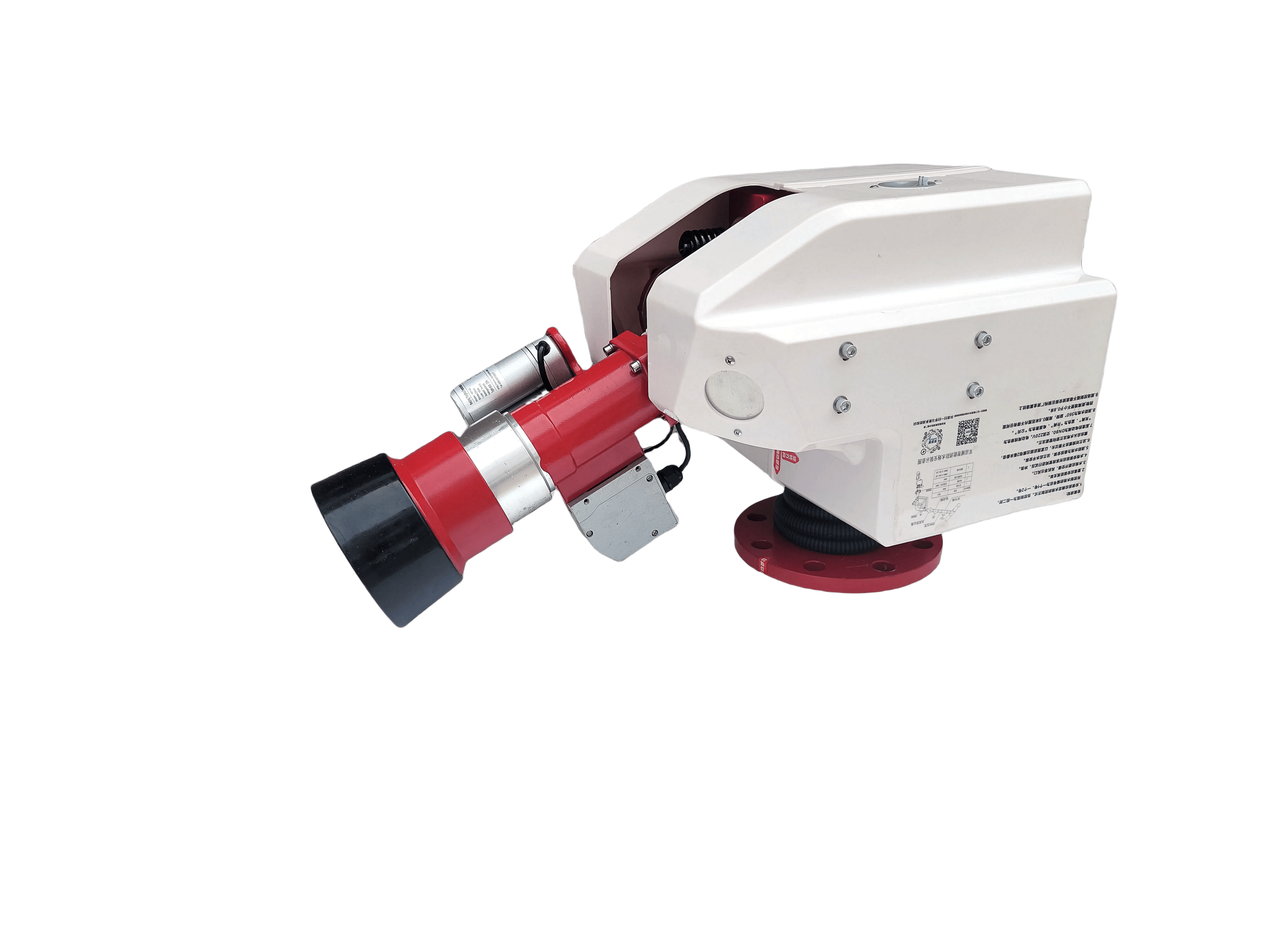
Core Insights - The article emphasizes the technological evolution direction of intelligent fire water cannons by 2026, focusing on three core development trends: anti-mist spraying, wireless deployment, and high reliability [1][11]. Group 1: Anti-Mist Spraying - Anti-mist spraying is transitioning from an optional feature to a core requirement, with 68% of users expressing concerns about mist spraying, which can lead to significant economic losses [3][5]. - The main technical paths for anti-mist spraying include patented technologies for error prevention, closed-loop feedback circuits for electromagnetic valves, and multi-level confirmation mechanisms to prevent false activations [4][5]. Group 2: Wireless Deployment - The industry is moving towards fully wireless deployment by 2026, building on previous simplifications from multiple lines to three lines, which reduces material costs and installation time by over 30% [6][7][8]. - Wireless communication will comply with national standards, enhancing system reliability and reducing maintenance difficulties [7][8]. Group 3: Other Key Functional Trends - The intelligent fire water cannon will adapt to various scenarios, meeting the requirements outlined in the 2023 "China Fire Engineering Technology Development Blue Book," thus improving versatility [9]. - IoT support for remote operation will enable status monitoring, fault warnings, and remote debugging, aligning with the guidelines for smart fire safety construction [10]. Group 4: Conclusion and Outlook - The technological advancements in intelligent fire water cannons by 2026 will focus on safety, simplicity, and reliability, with anti-mist spraying becoming a critical necessity [11][12]. - The overall functionality upgrades will align with current national standards, enhancing compliance and practicality [11].