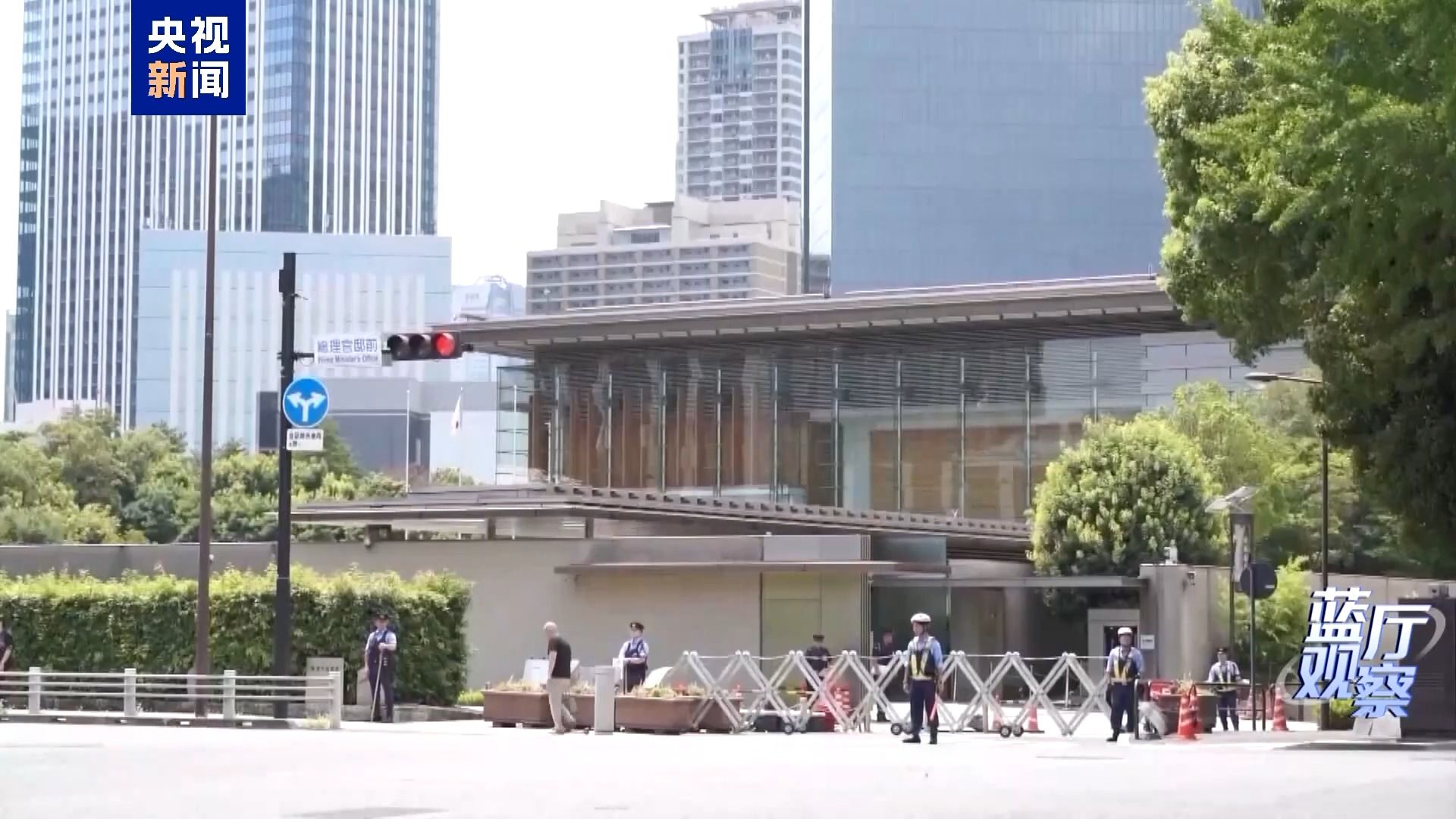
日本强军扩武

Search documents
【中外对话】中国学者对话日本议员:强军扩武恐将日本引向危险边缘
Zhong Guo Xin Wen Wang· 2026-02-15 13:38
Group 1 - The core viewpoint of the article highlights the increasing rightward shift in Japanese politics, particularly in the realm of security policy, which poses a threat to regional stability [1] - The Japanese government's recent actions towards military expansion are seen as undermining the "defensive defense" policy concept, raising concerns about regional security [1] - The dialogue with local Japanese council member Hanatani Shiro emphasizes that aggressive modifications to security policies could lead Japan to a precarious position in the Asia-Pacific region [1]
日本防卫费连年上涨 强军扩武路上狂奔
Xin Lang Cai Jing· 2025-12-27 13:33
Core Viewpoint - The Japanese government has approved a record defense budget exceeding 9 trillion yen for the fiscal year 2026, reflecting a significant increase in military spending and a shift towards a more offensive military strategy [1][3]. Group 1: Defense Budget Trends - Japan's defense budget has consistently surpassed 6 trillion yen, 7 trillion yen, 8 trillion yen, and now 9 trillion yen in consecutive fiscal years, indicating a rapid escalation in military expenditure [1]. - From fiscal year 2023 to 2025, the proportion of defense spending in Japan's GDP has surged from 1.19% to 2%, aligning with NATO standards for military expenditure [3]. Group 2: Allocation of Defense Spending - The increased defense budget is primarily allocated towards developing medium- and long-range missiles capable of striking enemy command centers, with plans to extend missile ranges to over 1,000 kilometers and budget for at least 1,000 missiles [5]. - Japan is collaborating with the United States to develop hypersonic glide weapons, with some projects already nearing operational readiness [5]. - The budget also supports the production of advanced military equipment, including deep-sea submarines and space weapons, emphasizing a shift towards unmanned combat capabilities [5]. Group 3: Strategic Implications - The Japanese government is moving away from its "defensive" posture towards a more aggressive military strategy aimed at deterring China, which poses potential threats to regional peace and security [5]. - The current administration under Prime Minister Kishi has accelerated military expansion efforts, including proposed changes to arms export policies and nuclear principles, indicating a significant shift in Japan's defense posture [7][9]. - This aggressive military stance has raised concerns among the Japanese public and opposition parties, suggesting potential negative impacts on the economy and citizens' lives [9].