智慧图书馆

Search documents
锡林郭勒草原深处,有座“不打烊”的图书馆
Zhong Guo Xin Wen Wang· 2025-12-21 08:15
Core Viewpoint - The establishment of a 24-hour self-service library in Xianghuang Banner, Inner Mongolia, has significantly increased community engagement and provided a vital resource for residents, reflecting the evolving needs of the local population [1][2][4]. Group 1: Library Operations and Community Impact - The library transitioned to 24-hour operation in April 2024 to better accommodate the diverse schedules of residents, including students, workers, and retirees [2][3]. - Since the upgrade, the library has received 15,000 visitors from 2025 to date, marking a 50% increase in foot traffic [1][3]. - The library serves as a cultural hub, offering free public courses in various subjects, which have attracted participation from different age groups, including retirees and local residents [3][4]. Group 2: User Experiences and Activities - Users have expressed appreciation for the library as a quiet and warm space for study and social interaction, with some referring to it as their "second home" [3]. - The library has facilitated community engagement through activities such as traditional crafts and calligraphy, fostering connections among participants of all ages [3][4]. - A "mobile library" initiative has been launched to extend the library's reach into remote areas, with over 40,000 participants recorded in 2025, surpassing the total population of Xianghuang Banner [3]. Group 3: Future Aspirations - The library aims to enhance its role as a cultural center, ensuring that it meets the evolving needs of the community and provides a sense of belonging for all residents [4][5].
AI让图书馆翻开“新一页”
Xin Hua She· 2025-08-21 07:56
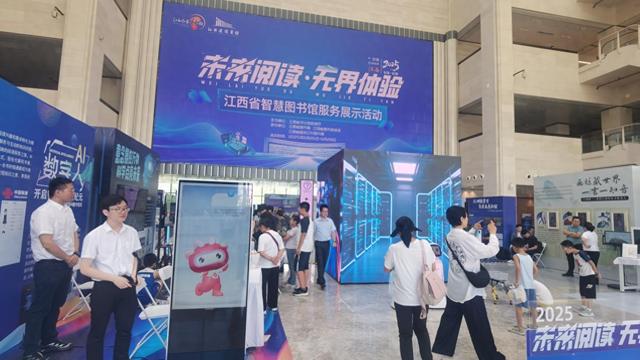
Core Insights - The integration of AI and advanced technologies in libraries is transforming them from traditional knowledge repositories into smart service centers, enhancing user experience and operational efficiency [1][4][12] Group 1: AI Innovations in Libraries - The "AI Little Bookworm" and "AI Digital Librarian" developed by China Unicom provide personalized book recommendations and efficient service, significantly improving user engagement and satisfaction [4][5] - The "AI Little Bookworm" allows for a self-service borrowing process that is over ten times more efficient than traditional methods, reducing average wait times from 5 minutes to under 30 seconds, a decrease of over 90% [2][4] Group 2: Enhanced User Experience - Libraries are increasingly focusing on personalized services, with AI technologies addressing common challenges such as finding books and enhancing the reading experience [4][10] - The AI librarian at Nanhua University can quickly locate books and provide navigation, while also generating visual reports to optimize resource management based on user behavior [10] Group 3: Broader Technological Integration - The implementation of comprehensive management systems in libraries, such as the one in Yanggu County, facilitates seamless integration of all library operations, contributing to a significant increase in visitor numbers [8] - The collaboration between China Unicom and cultural institutions, like the Nanjing Niushoushan Cultural Tourism Area, showcases the potential of AI and AR in creating immersive cultural experiences [11][12]


看,AI驱动下的江苏“图书馆革命”
Xin Hua Ri Bao· 2025-05-06 00:51
Core Insights - The article discusses the transformative impact of AI technology on libraries in Jiangsu, China, highlighting the shift from traditional library services to intelligent, personalized user experiences [1][2][3][4][5][6][7] Group 1: AI Integration in Libraries - Jiangsu libraries are implementing AI-driven services that enhance user interaction, such as personalized book recommendations based on borrowing history and preferences [2][3] - The Suzhou Library has launched a nationwide first AI service platform that provides 24/7 access to library resources, enabling users to find books and participate in activities seamlessly [2][3] - The AI language model at Changzhou Library can generate knowledge graphs and recommend relevant literature based on vague keywords input by users [1][4] Group 2: Enhancing User Experience - AI services in libraries allow for rapid document retrieval, significantly improving the efficiency of finding local literature [5] - The introduction of interactive features, such as AI-assisted reading platforms and gamified experiences, engages users and makes ancient texts more accessible [4][5] - Libraries are evolving from static repositories of knowledge to dynamic centers of cultural engagement, facilitating a more interactive reading experience [3][7] Group 3: Cultural and Educational Outreach - AI technology is being utilized to promote cultural education, with initiatives like workshops on generative AI and interactive sessions for different age groups [6][7] - Libraries are focusing on inclusivity, providing services tailored to special groups, such as visually impaired readers who can access books through voice interaction [6] - The integration of AI in libraries is seen as a means to enhance community engagement and foster a love for reading among diverse demographics [6][7]
北京首个!北京城市图书馆入选《TIME时代周刊》全球100佳旅行目的地
Bei Jing Ri Bao Ke Hu Duan· 2025-03-25 12:50
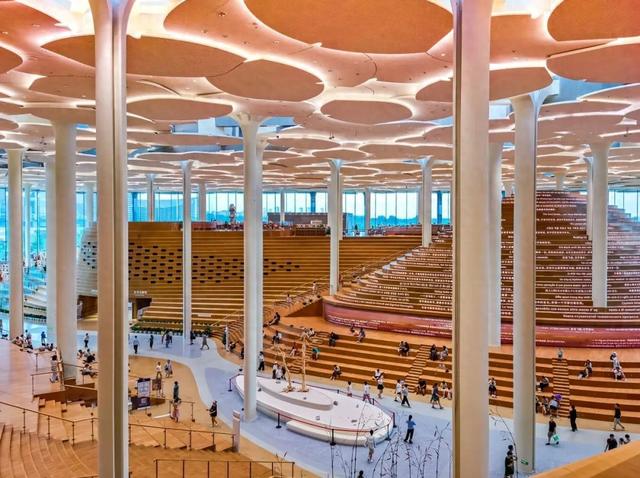
Core Insights - Beijing City Library has been recognized as one of the "100 Best Places to Travel" by TIME magazine for 2025, marking it as the first cultural landmark in Beijing to receive this honor [3][5]. Group 1: Architectural Significance - The library, designed by the renowned international team Snøhetta, embodies a blend of digital civilization and ecological aesthetics, redefining modern library possibilities [5]. - Its design is inspired by traditional Chinese "red seal" imagery, featuring a roof structure resembling ginkgo leaves, creating a reading environment that connects books, people, and nature [5][6]. - The library houses the world's largest single reading room, covering 18,000 square meters with 2,400 seats, certified by Guinness World Records [6]. Group 2: Innovative Services - The library integrates advanced technologies such as big data and artificial intelligence, transforming traditional library services and enhancing the reading experience [6][10]. - It features a unique non-material cultural heritage reading space and a metaverse experience hall, attracting a younger audience through immersive digital experiences [10]. - The AI librarian "Tuyueyue" and smart book delivery robots streamline the borrowing process, catering to personalized reader needs [10]. Group 3: Cultural Activities - Since its opening, the library has hosted over 3,400 cultural events, including heritage showcases, art appreciation, and family reading activities, enriching the cultural experience for visitors [8][13]. - Upcoming events include an immersive interactive experience titled "Heritage Impression - Peking Opera Cultural Journey," featuring exhibitions, performances, and lectures [13]. Group 4: Global Cultural Impact - The library is positioned as a cultural hub for the capital and a window for the world to understand China, inviting travelers to explore its offerings and engage with Chinese civilization [15].