智能家居伪智能

Search documents
智能家居“伪智能”待破局,现存智能家居相关企业超11.8万家
Xin Lang Cai Jing· 2026-01-27 02:39
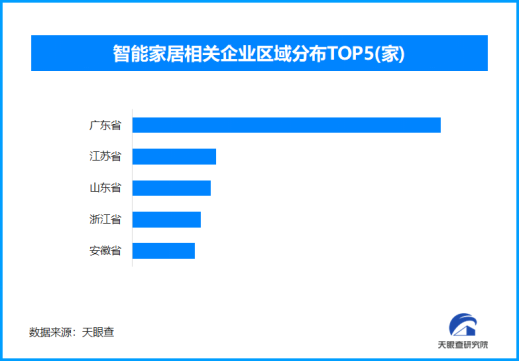
Core Insights - The current market for smart home products is experiencing a surge in sales, but there is a prevalent issue of "pseudo-intelligence" where products like robotic vacuums and smart washing machines exaggerate their functionalities, leading to a gap in user experience and compatibility issues [1][4] - Consumers are increasingly focusing on the reliability of the manufacturers behind these smart products, in addition to product reviews, to avoid "gimmick" products and choose trustworthy companies [1][5] Industry Overview - The phenomenon of "pseudo-intelligence" in smart home products is characterized by exaggerated features, fragmented user experiences, and hollow technology, which hinders high-quality development in the industry [5] - Most products are still in the "function" development stage, lacking industry standards, resulting in inconsistent delivery quality [5] - A new national standard for smart home appliances will be implemented on May 1, 2026, which will clearly define smart appliances, categorize them into five intelligence levels, and outline nine typical application scenarios [5] Company Landscape - As of now, there are over 118,000 smart home-related companies in operation in China, with more than 4,800 new registrations expected by 2025 [2][5] - Guangdong province leads in the number of smart home-related companies, with over 35,000 firms, accounting for 29.97% of the national total, followed by Jiangsu, Shandong, Zhejiang, and Anhui provinces [6]