扫地机器人

Search documents
比依股份20260329
2026-03-30 05:15
Summary of the Conference Call for Biyi Co., Ltd. Company Overview - **Company**: Biyi Co., Ltd. - **Industry**: Home Appliances, specifically focusing on kitchen appliances and technology manufacturing Key Points and Arguments Business Transformation and Growth Phases - **Phase 1 (2018-2021)**: High growth driven by air fryer sales and partnership with Philips, with over 90% of revenue from exports and ROE exceeding 30% [3][4] - **Phase 2 (2022-2024)**: Transition period marked by declining air fryer demand and global inflation, leading to revenue fluctuations. The company diversified its client base and began producing coffee machines and environmental appliances [3][4] - **Phase 3 (2024-2025)**: Entering a recovery phase with projected revenue of CNY 2.06 billion in 2024 (+32%) and CNY 1.756 billion in the first three quarters of 2025 (+18.66%) [2][3] Production Capacity and Strategic Investments - **Ningbo Zhongyi Industrial Park**: A key production hub with a planned capacity of 25 million units annually, with the first phase expected to produce 10 million units by mid-2025 [4][5] - **Thailand Factory**: Set to begin operations in April 2025, aimed at mitigating tariff risks and supporting North American orders [4][5] Client Diversification - **Client Base**: Significant diversification with Chenyuan Technology expected to account for 20% of revenue in H1 2025, and European market share rising to 59% [2][3] Coffee Machine Business - **Market Growth**: The global coffee machine market is projected to grow from USD 15.3 billion in 2019 to USD 30.6 billion by 2024, with a CAGR of 15% [6] - **Revenue Contribution**: Expected coffee machine revenue to increase from CNY 100 million to CNY 600-700 million by 2026, driven by orders from SharkNinja [6][7] New Product Development - **Environmental Appliances**: Focus on fans and heaters, with revenue of CNY 27.02 million in 2024 and plans for new product launches in 2025 [8] - **Robotic Vacuums**: Initial product deliveries expected in H2 2025, with plans to increase ownership in the subsidiary producing these products [8] Investment in High-Tech Manufacturing - **AI and AR Glasses**: Strategic investment in leading companies in the optical waveguide sector, with a 8.6% stake in Lipaiguangjing, enhancing the company's technological capabilities [9] - **Valuation Impact**: Transitioning from traditional appliance manufacturing to a tech-driven model, potentially increasing valuation flexibility and growth prospects [9] Financial Projections - **Revenue Forecast**: Expected revenues of CNY 3.2 billion in 2026 and CNY 3.8 billion in 2027, with net profits of CNY 180 million and CNY 250 million respectively [2][9] - **Valuation Metrics**: Projected PE ratios of 20x for 2026 and 15x for 2027, with a current PS ratio of 1.1, significantly lower than the industry average of 1.52 [2][9] Additional Important Insights - **Strategic Shift**: The company is moving from a pure financial investor to a collaborative industrial partner, enhancing its manufacturing capabilities and market positioning [9] - **Growth Potential**: The anticipated compound annual growth rate of 35%-40% for 2026-2027 indicates strong future performance and value discovery opportunities [9]

中原证券:家电行业围绕股息友好等三大维度投资 推荐海尔智家等
智通财经网· 2026-03-26 04:11
Group 1 - The core investment strategy for the home appliance industry includes three dimensions: dividend-friendly strategy, high-growth strategy, and overseas expansion strategy [2] - White goods stocks are generally characterized by low valuations and high dividends, providing both safety margins and dividend value [2] - Recommended stocks for high dividend and low valuation include Haier Smart Home (600690.SH), Midea Group (000333.SZ), and Gree Electric Appliances (000651.SZ) [2] Group 2 - The global smart home appliance market is projected to reach approximately $147.5 billion by 2025, with a compound annual growth rate (CAGR) of 22% from 2016 to 2026 [3] - The market is expected to touch $180 billion by 2026, driven by the adoption of the Matter protocol and the application of generative AI in devices [3] - China's smart home appliance market has grown from 200 billion yuan in 2016 to 500 billion yuan in 2022, indicating significant growth potential [3] Group 3 - China is the largest producer and consumer of smart home appliances globally, with a retail sales scale of approximately 450 billion yuan (about $64.29 billion) by 2025, accounting for 43.58% of the global market [4] - Chinese brands hold a shipment share of 38% to 40% in the global smart home appliance market, maintaining the leading position [4] - Companies can be categorized into three tiers based on gross margin levels: technology-leading tier (high gross margin), scale-leading tier (medium to high gross margin), and mid-tier under pressure (medium to low gross margin) [4]



中原证券:家电行业围绕股息友好等三大维度投资 推荐海尔智家(600690.SH)等
智通财经网· 2026-03-26 03:58
Group 1 - The core investment strategy for the home appliance industry includes three dimensions: dividend-friendly strategy, high-growth strategy, and overseas expansion strategy [1] - Major recommendations for high dividend and low valuation stocks include Haier Smart Home, Midea Group, and Gree Electric Appliances [1] - The market for smart home appliances is projected to reach approximately $147.5 billion by 2025, with a compound annual growth rate of 22% from 2016 to 2026 [1] Group 2 - The Chinese smart home appliance market has grown from 200 billion yuan in 2016 to 500 billion yuan in 2022, indicating significant growth potential [2] - By 2025, China's retail sales of smart home appliances are expected to reach approximately 450 billion yuan, accounting for 43.58% of the global market [3] - Chinese brands hold a shipment share of 38% to 40% in the global smart home appliance market, maintaining the leading position [3]



家电行业深度分析:从规模到价值:智能家电行业的竞争与增长
Zhongyuan Securities· 2026-03-25 09:06
Investment Rating - The report provides an investment rating of "In line with the market" for the home appliance industry, indicating a neutral outlook compared to the Shanghai and Shenzhen 300 Index [2]. Core Insights - The global smart home appliance market is projected to reach approximately $147.5 billion by 2025, with a compound annual growth rate (CAGR) of 22% from 2016 to 2026. By 2026, the market is expected to touch $180 billion, maintaining strong double-digit growth [8][13]. - China's smart home appliance market has seen significant growth, expanding from 200 billion yuan in 2016 to 500 billion yuan in 2022, with a market penetration rate of 12.66% in 2016, rising to 65% for smart TVs and 38.5% for smart air conditioners by 2022 [19][21]. - The competitive landscape of the global smart home appliance market is characterized by a tripartite structure of "Chinese giants + Korean duopoly + Western legacy brands," with Chinese brands holding a 38% to 40% share of global shipments [31]. Summary by Sections Global Smart Home Appliance Market - The smart home appliance market is defined as appliances that incorporate microprocessors, sensors, and network communication technologies, enabling them to have autonomous sensing, decision-making, and remote control capabilities [9]. - The market is expected to grow significantly, driven by the adoption of the Matter protocol and advancements in generative AI [13]. Chinese Smart Home Appliance Market - China's retail sales of smart home appliances are projected to reach approximately 450 billion yuan (around $642.86 billion) by 2025, accounting for 43.58% of the global market [19]. - There is substantial room for growth in market penetration for products like robotic vacuums and smart kitchen appliances, which remain lower in China compared to the U.S. [21][22]. High-Growth Niche Markets - The robotic vacuum market is expected to see a rise in shipments from 11 million units in 2019 to 24.12 million units by 2025, with a sales value of $11.5 billion [26]. - The high-end kitchen appliance market is projected to grow from $38 billion in 2020 to $50.2 billion in 2024, with China being a significant contributor to this growth [27]. Supply Chain Dynamics - The supply side of the smart home appliance market is dominated by Chinese brands, which have a significant advantage in terms of supply chain efficiency and cost [31]. - Major players in the smart appliance market include Haier, Midea, Samsung, and LG, with Haier leading in global market share for large home appliances [31][36]. Profitability Analysis - Companies are categorized into three tiers based on gross margin: - **Technology Leaders** (high gross margin of 45-55%): Companies like Roborock and Boss Electric benefit from technological barriers and high-end market positioning [56]. - **Scale Leaders** (mid-high gross margin of 25-30%): Companies like Gree and Haier leverage scale and supply chain advantages [62]. - **Mid-Pressure** (low gross margin of 14-22%): Companies like Samsung and LG face pressure from intense competition and cost structures [64]. Investment Recommendations - The report suggests a three-pronged investment strategy focusing on dividend-friendly stocks, high-growth opportunities in robotic vacuums and high-end kitchen appliances, and international expansion strategies [68]. - Recommended stocks include Haier Smart Home, Midea Group, and Gree Electric for their low valuations and high dividend yields [74].


晨光电机(920011):北交所新股申购策略报告之一百六十九:清洁电器微特电机“小巨人”,募投扩产能-20260324
Shenwan Hongyuan Securities· 2026-03-24 12:40
Investment Rating - The investment rating for the company is "Buy" based on its strong market position and growth potential in the clean electrical micro-motor sector [31]. Core Viewpoints - The company is recognized as a "small giant" in the clean electrical micro-motor industry, with a significant market share of 16.39% in the global main suction motor market for cleaning appliances by 2024 [3][6][25]. - The company has established long-term stable relationships with numerous well-known cleaning appliance manufacturers, contributing to its robust revenue growth [7][25]. - The company is set to benefit from the expanding global market for clean electrical micro-motors, with a projected market size increase from $47.45 billion in 2023 to $66.41 billion by 2029, reflecting a CAGR of 5.76% [15][16]. Summary by Sections 1. Company Overview - Founded in 2001 and located in Zhoushan, Zhejiang Province, the company specializes in the R&D, production, and sales of micro-motors, primarily for cleaning appliances like vacuum cleaners [3][6]. - The company has participated in the formulation of national standards for vacuum motors, enhancing its competitive edge in the niche market [6]. 2. Issuance Plan - The new share issuance will adopt a direct pricing method, with an issuance price of 15.5 yuan per share and an expected fundraising of 320 million yuan [10][12]. - The initial issuance scale is 20.67 million shares, accounting for 25% of the total share capital post-issuance, with a low expected circulation ratio of 22.5% [11][13]. 3. Industry Situation - The micro-motor industry is experiencing rapid expansion, driven by increasing applications across various sectors, including consumer electronics and home appliances [15]. - The global vacuum cleaner market is on an upward trend, with sales expected to grow from 135 million units in 2019 to 176 million units by 2029 [16][17]. 4. Competitive Advantages - The company has a strong focus on technological innovation, with a well-established R&D system and a significant number of patents [19]. - It maintains a diverse and stable customer base, including partnerships with leading brands in the cleaning appliance sector [20]. - The company employs a standardized and modular product strategy, enhancing quality and cost efficiency [21]. 5. Comparable Companies - The company is relatively small in size compared to its peers, with a gross margin positioned in the mid-range of the industry [23][24]. - The financial comparison with similar companies indicates a competitive standing, with a projected revenue of 826.65 million yuan and a net profit of 78.63 million yuan for 2024 [24]. 6. Subscription Analysis - The report recommends active participation in the subscription, highlighting the company's low initial valuation and potential for growth in the clean electrical micro-motor market [26].
晨光电机(920011):清洁电器微特电机“小巨人”,募投扩产能
Shenwan Hongyuan Securities· 2026-03-24 11:48
Investment Rating - The report assigns a positive investment rating, suggesting active participation in the company's stock offering [29][30]. Core Insights - The company is recognized as a leading "small giant" in the clean electrical micro-motor industry, with a global market share of 16.39% in main suction motors for cleaning appliances [7][29]. - The company has a stable revenue growth, with projected revenue of 920 million yuan in 2025, reflecting a CAGR of 13.65% over the past three years [8][29]. - The company is involved in the formulation of national standards for vacuum motors, enhancing its competitive edge in the market [7][8]. Summary by Sections 1. Company Overview - The company, established in 2001 and located in Zhoushan, Zhejiang, specializes in the R&D, production, and sales of micro-motors, primarily for cleaning appliances like vacuum cleaners [3][7]. - It has participated in drafting three national standards, showcasing its strong market position and technical expertise [7]. 2. Issuance Plan - The new stock issuance will adopt a direct pricing method, with an issue price of 15.5 yuan per share and an expected fundraising of 320 million yuan [12][15]. - The initial issuance scale is 20.67 million shares, accounting for 25% of the total shares post-issuance, with a low expected circulation ratio of 22.5% [12][15]. 3. Industry Situation - The global micro-motor market is projected to grow from 47.45 billion USD in 2023 to 66.41 billion USD by 2029, with a CAGR of 5.76% [17]. - The vacuum cleaner market is also on the rise, with global sales expected to increase from 135 million units in 2019 to 176 million units by 2029 [18]. 4. Competitive Advantages - The company has a strong R&D capability, with 78 patents, including 8 invention patents, and a robust technical barrier in the micro-motor sector [22][23]. - It maintains long-term stable relationships with major cleaning appliance manufacturers, enhancing its customer resource advantage [8][23]. 5. Comparable Companies - The company is smaller in scale compared to its peers, with a gross margin of 19.73%, placing it in the mid-range of the industry [27][28]. - The average PE ratio of comparable companies is significantly higher than that of the company, indicating a potential undervaluation [31]. 6. Subscription Analysis - The report recommends active participation in the stock offering, highlighting the company's low initial valuation and the potential for growth in the clean electrical micro-motor market [29][30].
从扫地机到“科学仪器”,追觅90枚仪器类商标背后的跨界猜想
仪器信息网· 2026-03-18 09:02
Core Viewpoint - The article discusses the strategic move of DREAME Technology in applying for nearly 90 trademarks in the scientific instruments category, indicating a potential expansion beyond its core business of smart cleaning appliances into the scientific instruments sector [3][4]. Group 1: Trademark Registration - DREAME Technology has applied for nearly 90 trademarks in the scientific instruments category, including names like "DREAME DESIGN" and "DREAME LIFE," with most applications currently in the "pending" status [4]. - The large number of trademark applications suggests a strategic intent to secure future business opportunities rather than a mere defensive measure against brand infringement [4][5]. Group 2: Industry Trends - DREAME is not alone in this trend; other major consumer electronics companies like Huawei and Xiaomi are also registering trademarks in the scientific instruments category, indicating a broader industry shift [5][6]. - The scientific instruments category is broad, covering various fields such as measurement, detection, and analysis, which aligns with the technological capabilities of these consumer electronics firms [6]. Group 3: Strategic Logic Behind the Move - The registration of scientific instruments trademarks reflects a natural extension of business boundaries for companies like DREAME, Huawei, and Xiaomi, as they explore new areas such as energy, smart vehicles, and IoT [7]. - There is a significant technological overlap between consumer electronics and scientific instruments, particularly in areas like sensor technology and AI algorithms, which are crucial for both sectors [9]. - The pursuit of scientific instruments trademarks also relates to the competition for standards and industry influence, as the integration of consumer electronics with professional measurement and control devices becomes increasingly important [10]. Group 4: DREAME's Technological Foundations - DREAME's recent collaborations, such as with Tsinghua University on sensor calibration, highlight its commitment to developing the necessary technologies for entering the scientific instruments market [11]. - The launch of the "Tianqiong" series chips by DREAME's subsidiary, which supports advanced sensing and AI capabilities, underscores its technological readiness for high-end scientific instruments [11]. Conclusion - The actions of DREAME and other consumer electronics companies signal a significant shift towards the scientific instruments sector, driven by technological advancements and strategic foresight [12]. - This trend presents both challenges and opportunities for the scientific instruments industry, as the entry of consumer electronics firms may introduce new technologies and competitive dynamics [12].

AWE2026观察丨扫地机器人持续进化:格局生变,技术破局,生态延伸
雷峰网· 2026-03-16 03:44
Core Viewpoint - The article discusses the evolution and future potential of robotic vacuum cleaners, highlighting their integration of advanced technologies and their role in enhancing consumer convenience and smart home ecosystems [2][19]. Industry Trends and Changes - The competitive landscape of the robotic vacuum market remains unsettled, with new entrants and established players continuously evolving [3][4]. - Notable absences and new players were observed at AWE2026, including the absence of Yunji and the introduction of the AI steam cleaning robot series by the newly listed smart home brand, Yingshi [4][6]. Technological Innovations - The article emphasizes that despite years of development, robotic vacuums are not facing innovation bottlenecks, with various companies showcasing diverse technologies aimed at improving cleaning capabilities [10][11]. - Key strategies for enhancing cleaning efficiency include the use of higher temperatures for sterilization, dual-channel designs for dry and wet separation, and the introduction of replaceable cleaning pads [12][14]. Market Performance - Yingshi reported a revenue of 5.901 billion yuan in 2025, marking an 8.44% year-on-year increase, with a notable rise in overseas revenue contributing to nearly 40% of total sales [7][8]. - iRobot, now under new ownership, showcased new products that incorporate advanced cleaning technologies, indicating a potential resurgence in the competitive landscape [8]. Ecosystem Expansion - Companies like Stone Technology and Chasing have expanded their business beyond robotic vacuums into broader smart home solutions, with Stone introducing washing machines that utilize advanced cleaning technologies [20][21]. - The article notes that the evolution of robotic vacuums into multifunctional smart home devices reflects a shift towards integrated smart living solutions [19][23].
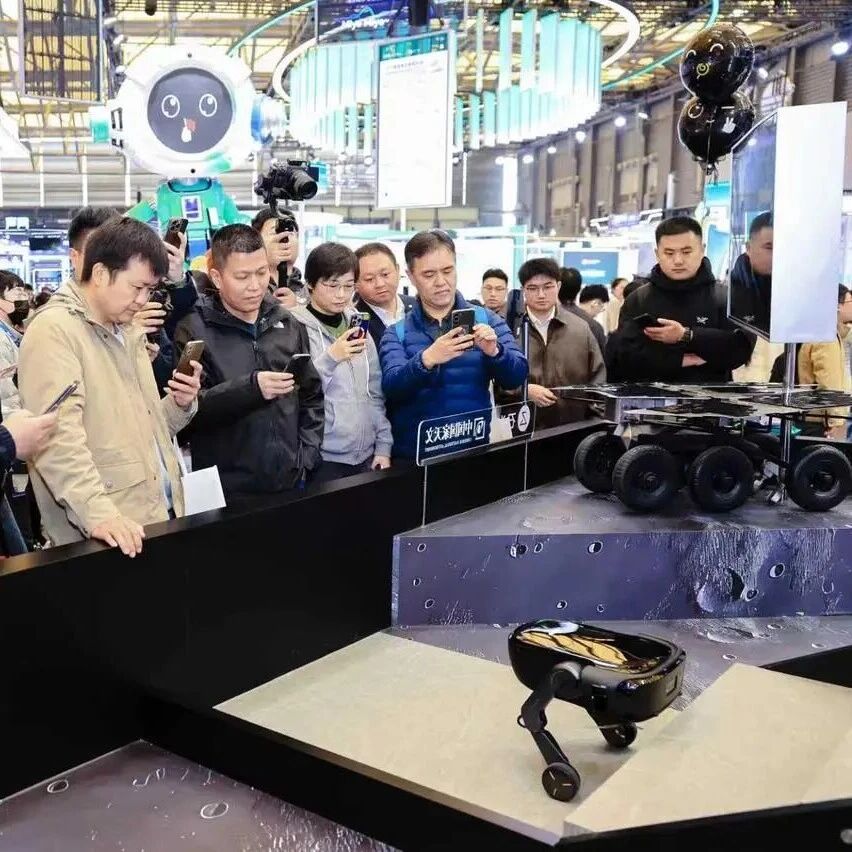
拐点已现,未来所有公司都可能成为机器人公司
虎嗅APP· 2026-03-14 13:37
Core Viewpoint - The intersection of AI and robotics is driving a transformation in the manufacturing industry, evolving from specialized machinery to general-purpose robots, sparking significant discussion [2]. Group 1: Methodology of Robot Development - A central question in the robotics revolution is whether to pursue specialized or general-purpose robots, and how automotive manufacturers entering the space will impact traditional robotics companies [3]. - The development of robotics is seen as a gradual transition from specialized applications to general-purpose capabilities, driven by technological advancements and cost reductions [9]. - The maturity of technologies such as batteries, sensors, and AI is crucial for the evolution of robotics, with a timeline of 15-30 years anticipated for widespread adoption [12][10]. Group 2: Impact of Automotive Manufacturers - The entry of automotive manufacturers into the robotics sector is viewed positively, as it indicates industry growth and can accelerate technological advancements [15]. - The integration of automotive manufacturing advantages into robotics production is expected to lead to more affordable and reliable robots [15]. Group 3: International Expansion and Challenges - The robotics industry has seen a significant increase in China's global market share, rising from 30-35% in 2019 to approximately 55-60% today [23]. - Companies are advised to prioritize customer acquisition before expanding overseas, with a strategic approach to entering international markets [23]. Group 4: Future of Robotics in Households - The concept of household robots is evolving, with current products like vacuum and washing robots already in use, but the vision of a fully functional humanoid robot remains distant [28]. - The integration of robotics into home environments will require addressing complex issues such as safety and ethical considerations, particularly for elder care [29]. Group 5: Industry Outlook - The robotics industry is expected to grow significantly over the next decade, with advancements in technology potentially transforming healthcare access and elder care solutions [30]. - The future may see a shift in consumer choices regarding care for the elderly, with robots becoming a viable alternative to human caregivers [30].

追觅:从春晚顶流到AWE“包馆”,书写“中国智造”新叙事
财联社· 2026-03-13 11:51
Core Viewpoint - The article discusses the transformative changes in China's technology sector, highlighting the shift from hardware output to brand globalization, with a focus on the case study of Chasing Technology as a representative example of this evolution [1][4]. Group 1: Brand Recognition and Market Penetration - Chasing Technology has gained significant recognition in the Chinese market, transitioning to a "national brand" after its appearance at the Spring Festival Gala, marking its entry into mainstream narratives and lifestyles [2]. - The brand's visibility has increased, with its products achieving record sales during the Spring Festival, including topping sales charts on major platforms like Tmall and JD [2][3]. - The launch of new product categories, such as smart rings, has also seen impressive sales performance, with significant growth in various segments during the Spring Festival [3]. Group 2: Technological Innovation and Exhibition - At the AWE 2026, Chasing Technology showcased over a hundred globally innovative core technologies, reinforcing its position as a leader in smart technology [4]. - The company’s exclusive takeover of an entire exhibition hall at AWE 2026 demonstrated its evolution from a hardware leader to a comprehensive technology giant capable of ecosystem integration [3][4]. Group 3: Global Market Expansion - Chasing Technology has established a presence in over 120 countries, with more than 6,500 physical stores worldwide, serving over 42 million households [6]. - The company has achieved a remarkable 100% compound annual growth rate over the past seven years, with nearly 80% of its revenue coming from overseas by 2025 [6]. - In the North American market, Chasing Technology reported a 189% year-on-year revenue increase in 2025, with significant market share growth in categories like vacuum and washing machines [7]. Group 4: Strategic Insights and Industry Trends - The trajectory of Chasing Technology reflects broader trends in Chinese manufacturing, emphasizing the importance of technological accumulation and market feedback in driving global competitiveness [8][9]. - The company’s approach of first penetrating high-end global markets and then leveraging that experience for domestic growth illustrates a successful model for internationalization [9]. - As the industry shifts from single product breakthroughs to systemic collaboration, Chasing Technology is positioned to lead in creating a comprehensive smart living ecosystem [10].