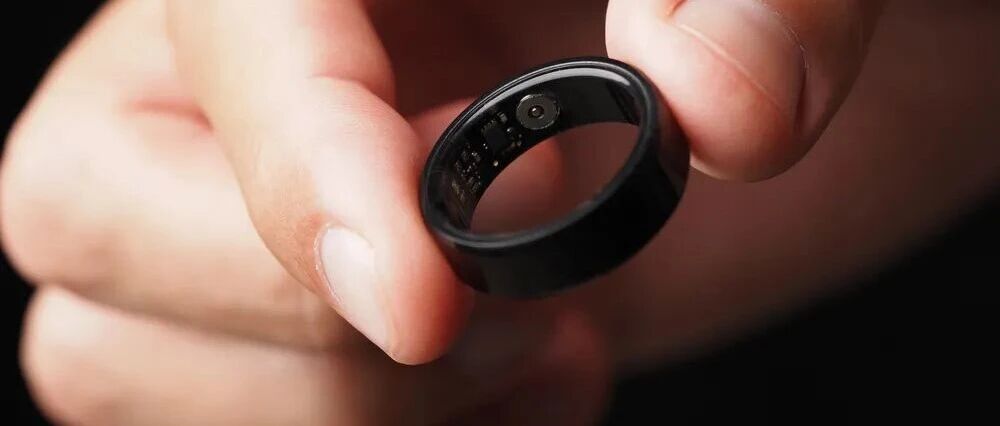
智能戒指赛道

Search documents
单枚毛利低至5毛钱 智能戒指未火先“卷”
经济观察报· 2026-02-06 14:31
Core Viewpoint - The smart ring market is experiencing significant challenges, with low profit margins and intense competition among manufacturers, leading to a saturated and chaotic environment in the hardware sector [2][5][15]. Group 1: Market Dynamics - The processing profit for a smart ring has drastically decreased to between 0.5 to 1 yuan, compared to a much higher profit margin three years ago [2][4]. - The entry of brands like Oura and RingConn has changed the landscape, with many manufacturers pivoting to produce white-label smart rings due to the perceived market potential [3][5]. - The monthly shipment volume of smart rings in Huaqiangbei has reached nearly 800,000 units, indicating a high level of market activity despite low margins [5][6]. Group 2: Competitive Landscape - Many manufacturers are entering the smart ring market, attracted by low technical barriers and the ability to produce using existing supply chains [6][10]. - The market is characterized by a high degree of product homogeneity, with many smart rings offering similar features such as blood oxygen and heart rate monitoring, leading to price competition [6][9]. - Companies like Gyges Labs are attempting to differentiate themselves by focusing on innovative applications, such as AI recording capabilities, rather than competing in the saturated health monitoring segment [9][10]. Group 3: Future Outlook - Major tech companies, including Ant Group and various smartphone manufacturers, are exploring the smart ring market, which could lead to increased competition and innovation [14][15]. - The entry of large companies is expected to shift the focus from mere hardware competition to ecosystem and scenario-based competition [14][15]. - The market is anticipated to see significant developments in 2024 as more major players enter the space, although current offerings from smartphone manufacturers have not yet achieved substantial sales [15].