未成年人虚拟社交

Search documents
“梦回大唐”“ED妹”“梦角哥”……别让这些暗语藏匿在隐秘的角落!
Xin Lang Cai Jing· 2026-01-24 13:25
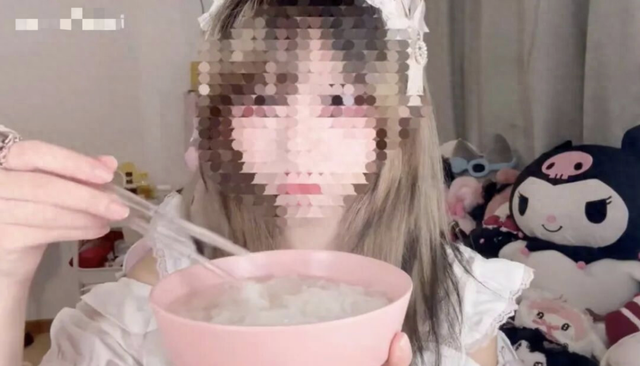
Core Viewpoint - The article highlights the risks associated with "encrypted conversations" among minors, particularly focusing on dangerous trends such as the "suffocation game" and eating disorders, which are masked by seemingly innocent language and behaviors [2][12]. Group 1: Dangerous Trends - "Dreaming Back to the Tang Dynasty" is identified as a dangerous "suffocation game" that induces participants to create a state of brain hypoxia, leading to severe health risks including irreversible brain damage or death [4][12]. - The term "ED" refers to "Eating Disorder," where minors use coded language to discuss harmful behaviors like purging, which are often disguised as innocuous activities [4][12]. - Virtual relationships, exemplified by "MJG" (Dream Corner Brother), allow minors to engage in deep emotional connections with fictional characters, further detaching them from reality [5][12]. Group 2: Psychological Factors - Minors are drawn to these harmful behaviors as a means of seeking control over their bodies and expressing pressures from their real lives [7][12]. - Peer acceptance during adolescence is often prioritized over parental approval, leading to imitation of risky behaviors as a way to fit into specific social circles [7][12]. - The popularity of virtual social interactions stems from a reluctance to confront real-life conflicts, resulting in a cycle of social withdrawal and increased reliance on virtual connections [9][12]. Group 3: Solutions and Interventions - Experts emphasize the importance of parental guidance, suggesting that parents should engage in empathetic communication to understand their children's interests and concerns [9][12]. - Technological interventions are being explored to identify and mitigate exposure to harmful content, aiming to redirect users towards positive and supportive information [9][12]. - The article calls for a collaborative approach involving both family and educational institutions to foster healthy values and encourage real-life engagement among minors [12].


“梦回大唐”“ED妹”“梦角哥”……未成年人的“加密对话”藏着哪些风险?
Xin Lang Cai Jing· 2026-01-24 03:07
Group 1 - The article highlights the emergence of dangerous behaviors among minors, such as the "Dream Back to Tang" suffocation game, which poses severe health risks including brain damage and even death [1][2] - The spread of these dangerous games is often hidden, proliferating through social groups among students, with many schools implementing cybersecurity education and monitoring mechanisms to combat this issue [1][2] - The phenomenon of "ED" or Eating Disorders is being glamorized in certain online circles, where harmful behaviors are disguised as trendy identities, complicating the challenge of regulation on platforms [2][4] Group 2 - The "Dream Brother" concept represents a deeper emotional trap for minors, where they form virtual relationships with fictional characters, leading to a detachment from real-life social interactions [8][13] - Experts indicate that the rise of virtual socializing is a response to the inability of many minors to confront real-life challenges, resulting in a cycle of dependency on virtual interactions [13][14] - The article emphasizes the need for a combined approach of technological intervention and family guidance to protect minors from these harmful online influences, advocating for empathetic communication between parents and children [14][15]