村改社区治理

Search documents
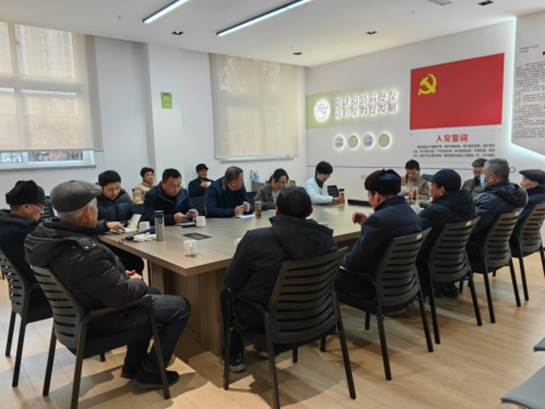
党建引领聚合力 多元善治促融合 ——宁波镇海探索村改社区治理新路径
Yang Shi Wang· 2025-09-12 09:41
Core Viewpoint - Ningbo's Zhenhai District Xiepu Town is addressing governance challenges arising from village demolition and resettlement through a community governance model led by party building, aiming to enhance community integration and resolve conflicts effectively [1][4][7] Group 1: Community Governance Structure - The town has established a four-level organizational structure consisting of "Community Party Committee - Grid Party Branch - Area Party Group - Building Red Manager" to promote collaborative governance among party leaders, residents, and property management [1] - A "Neighborly Agreement" platform is used to regularly collect public opinions, leading to a high approval rate of over 85% for village demolition agreements and over 90% for community committee election votes [1] Group 2: Identity and Community Engagement - The town has upgraded mutual aid groups into "Neighborhood Interaction Groups" by collaborating with over 30 local organizations and businesses, creating a "Together in Heart" brand for joint party building [4] - Initiatives such as emotional support services and food safety checks have been implemented in partnership with local hospitals and organizations, enhancing the precision and effectiveness of community services [5] Group 3: Conflict Resolution and Safety - A "Neighbor Emergency" volunteer team has been formed to conduct regular safety inspections and environmental clean-ups, playing a crucial role in community safety and conflict resolution [7] - The "Dispute Resolution Courtyard" has been established to facilitate the collection of conflict-related information through various channels, aiming to resolve community disputes effectively [7] Group 4: Future Development Plans - Xiepu Town plans to deepen the "Neighborly Heart, Harmonious Lanwan" brand, focusing on implementing a governance model that emphasizes community management and collaboration [7] - The town aims to enhance the effectiveness of the "Dispute Resolution Courtyard" and optimize property management collaboration to improve the precision of community governance [7]