杠杆模式

Search documents
香港住宅史上最大亏损纪录诞生!9年前天价买入,如今巨亏13亿港元
Mei Ri Jing Ji Xin Wen· 2025-08-21 15:58
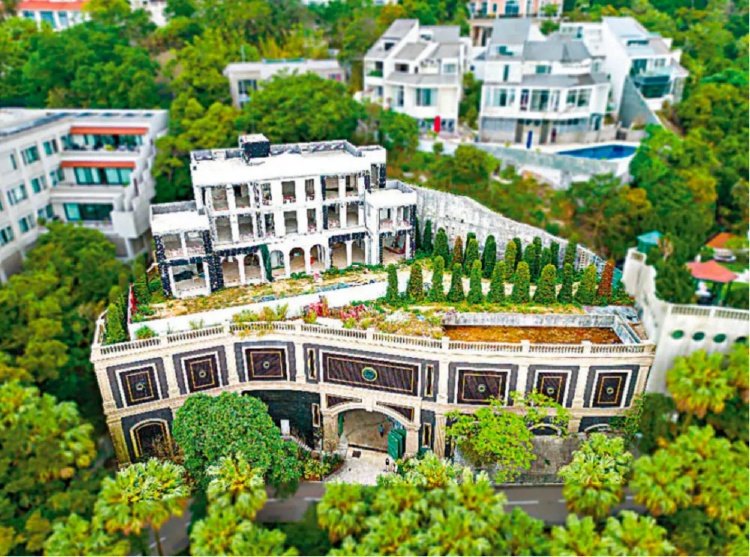
Core Viewpoint - The Hong Kong residential market has witnessed its largest loss, with a luxury property sold for 790 million HKD, a 62.4% decline from its purchase price of 2.1 billion HKD in 2016, highlighting significant market depreciation since its peak in 2021 [2][4]. Group 1: Property Transaction Details - The property at 15 Gough Hill Road was acquired for 2.1 billion HKD in 2016, setting a record price per square foot at 227,400 HKD, and was intended for high-end renovation [3]. - After two years of unsuccessful bidding and financial issues leading to bank takeover, the property was finally sold for 790 million HKD, reflecting a loss of 1.31 billion HKD [4]. - The property has a usable area of 18,000 square feet, with additional garden and parking space, but was left in a neglected state at the time of sale [4]. Group 2: Market Trends and Analysis - The overall luxury market in Hong Kong has declined by approximately 30% since its peak in 2021, with some properties experiencing declines of 35% to 40% [2][4]. - The pricing logic for luxury properties has shifted from "landmark premium" to "cash flow and risk discounting," indicating a change in buyer sentiment and market dynamics [4]. - The case of the Gough Hill property exemplifies the challenges faced by high-end properties, where liquidity issues and high maintenance costs have shifted bargaining power to buyers [4]. Group 3: Financial Implications for Investors - Chen Hongtian, the owner, has seen significant asset depreciation, with total investments in Hong Kong properties amounting to approximately 6.987 billion HKD, including other notable properties that have also lost value [5][6]. - The financial struggles of Chen's group, attributed to cash flow issues and market adjustments, serve as a cautionary tale regarding high-leverage investment strategies in a volatile market [10]. - The decline in property values and the financial difficulties faced by major investors highlight the risks associated with aggressive real estate investments during periods of market correction [10].