
正视侵略历史

Search documents
日本资深媒体人:南京大屠杀的真相不容否认
Yang Shi Xin Wen Ke Hu Duan· 2025-12-14 01:51
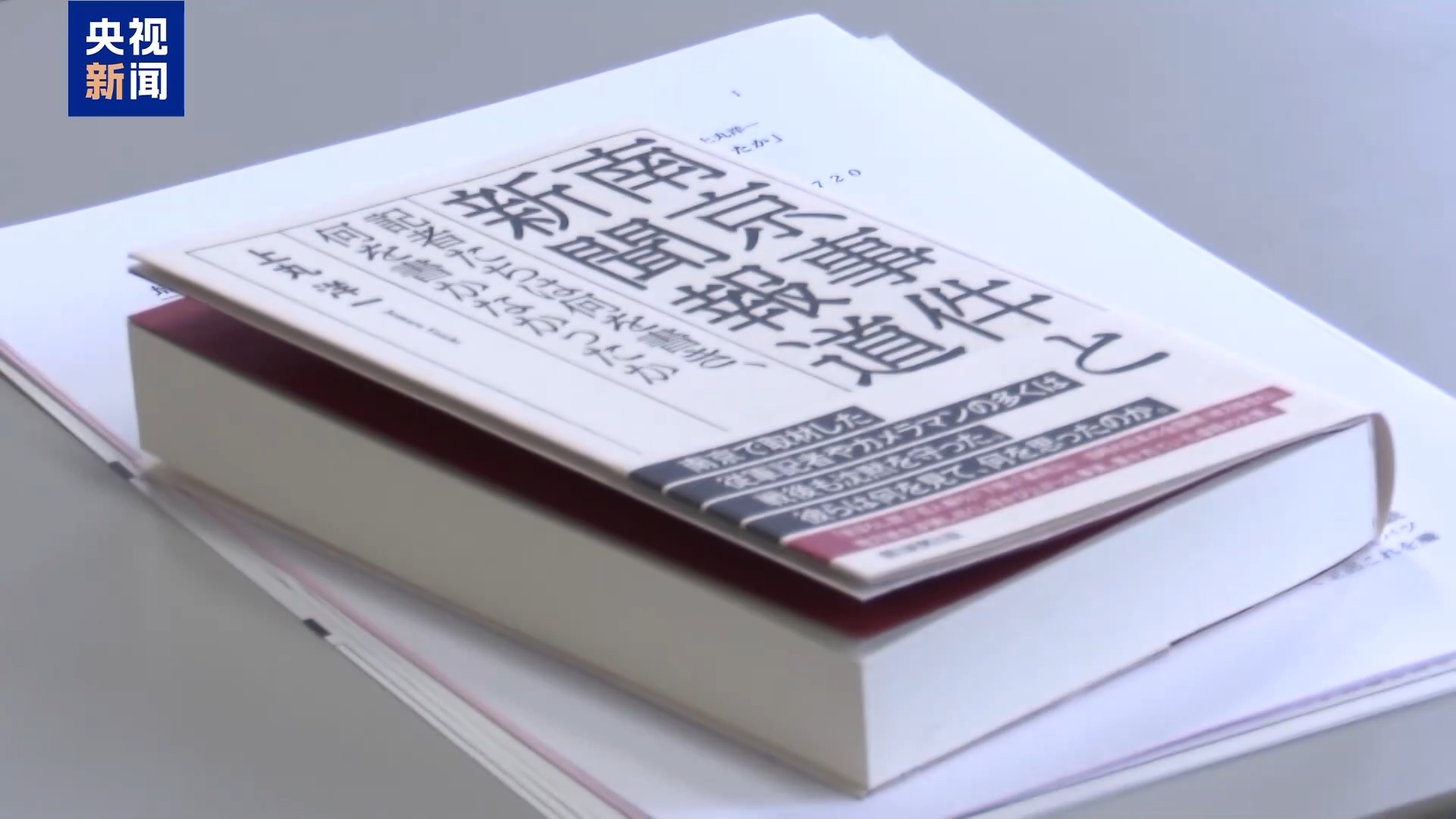
Core Viewpoint - The Japanese media, particularly during the time of the Nanjing Massacre, recorded some facts but largely remained silent on many atrocities committed by the Japanese military [1][3]. Group 1: Historical Reporting - A systematic review of Japanese newspapers from around 1937 reveals that journalists intentionally concealed the truth about the Nanjing Massacre and other atrocities committed by the Japanese military [3]. - A book titled "The Nanjing Incident and News Reporting - What Journalists Wrote and Did Not Write" has been authored to document these findings [3]. Group 2: Acknowledgment of Historical Responsibility - It is emphasized that Japan must confront its history of aggression and acknowledge its wartime responsibilities to foster genuine understanding and trust with neighboring Asian countries [5]. - The failure to reach a societal consensus on the nature of the aggressive war is identified as a significant post-war failure for Japan [6]. Group 3: Importance of Historical Documentation - The necessity for authors to write about historical truths is highlighted, as it provides resources for those seeking to understand the past [6].

通讯|“日本军队当年做了多么可怕的事情”——记南京大屠杀2025东京证言集会
Xin Hua She· 2025-12-12 07:51
Core Viewpoint - The event commemorating the Nanjing Massacre serves as a platform for survivors and their descendants to share their experiences, emphasizing the importance of acknowledging historical atrocities committed by the Japanese military during World War II [1][2]. Group 1: Event Overview - The gathering took place in Tokyo, marking the 88th anniversary of the Nanjing Massacre, with over a hundred participants sharing testimonies and visual records of the tragedy [1]. - The event is organized annually by the "No More Nanjing Association," which aims to encourage Japanese society to confront its history of aggression [1]. Group 2: Personal Accounts and Education - Survivor descendant Cao Yuli recounted the lasting trauma experienced by her parents, who were both survivors of the massacre, highlighting the psychological impact of the events [1]. - Young attendees expressed their desire to learn about historical truths that are often omitted from school curricula, with one student noting the lack of education on topics like the Unit 731 and comfort women [2]. Group 3: Societal Reflection and Concerns - The event also included discussions on the current socio-political climate in Japan, with concerns raised about the government's push towards military expansion and constitutional changes [3]. - The president of the Japan-China Labor Exchange Association, Ito Akihito, emphasized the need for citizens to remain vigilant against rising militarism and to advocate for constitutional protections [3].