殉马

Search documents
“田忌赛马”藏智慧 “老马识途”有奥妙
Qi Lu Wan Bao· 2026-02-06 16:26
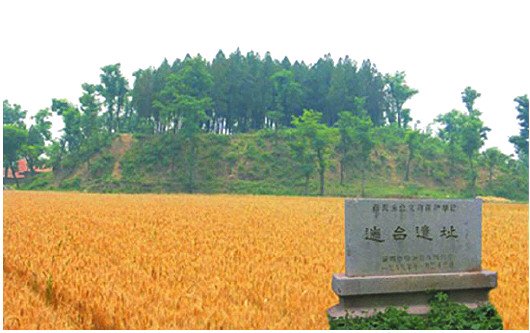
Core Insights - The article discusses the historical significance of horse breeding and management in the Qi state during the Eastern Zhou period, highlighting its impact on military and agricultural development [2][3][13] Group 1: Horse Breeding in Qi State - The Qi state had a favorable geographical environment for horse breeding, which provided a competitive advantage in military equipment development [3] - Key horse breeding bases were located in areas like Guangrao, Boxing, and Gaoqing, with historical sites such as the Xiyin ruins serving as management centers for horse breeding [3][5] - The importance of horses in military exercises and hunting practices is emphasized, with references to historical texts that document the scale of horse usage in Qi's military [4][6] Group 2: Cultural Significance of Horses - The story of Tian Ji's horse racing strategy illustrates the strategic thinking and adaptability in utilizing horses for competitive advantage [7] - Various historical sites, such as Chuantai and Xitai, reflect the cultural importance of horses in Qi, showcasing the state's dedication to equestrian activities [8] - The practice of horse sacrifice, particularly in the burial of Qi's rulers, underscores the deep cultural and economic ties between the state and its equine resources [12][13] Group 3: Historical Anecdotes and Their Implications - Anecdotes like the story of the king who sought a steed at any cost highlight the lengths to which rulers would go to secure quality horses, reflecting their value in statecraft [9][10] - The discovery of artifacts related to the Qi state, such as bronze swords, provides tangible evidence of the historical context surrounding horse management and military engagements [11] - The burial practices of Qi rulers, including the mass burial of horses, indicate the wealth and power of the state, as well as the significance of horses in their society [12]