养马

Search documents
重金求马:秦汉时代的马匹交易
Xin Lang Cai Jing· 2026-02-15 00:52
Core Insights - The article discusses the historical significance of horses in ancient China, particularly focusing on the challenges faced in breeding and training quality horses, which were essential for military and political power [1][11]. Group 1: Historical Context - The introduction of horses to the Central Plains around 1200 BC marked a significant cultural shift, with horses being viewed as mystical creatures and integral to rituals and ceremonies [1]. - The earliest horse expert, Bo Le, is credited with developing horse evaluation techniques, although practical advice on horse breeding was limited [2][4]. Group 2: Challenges in Horse Breeding - Despite efforts to improve horse quality, the Central Plains faced persistent issues such as poor forage quality, which hindered the growth of strong horses [7][10]. - The lack of proper training and exercise for horses in the Central Plains compared to the more active lifestyle of nomadic horses contributed to their inferior performance in battle [8][9]. Group 3: Economic and Political Implications - The reliance on nomadic tribes for quality horses posed a strategic risk for the Central Plains, as these tribes were often adversaries [11][15]. - The trade of horses was deeply intertwined with political relations, with the Han Dynasty engaging in gift exchanges to secure horse supplies, reflecting the importance of horses in maintaining military strength [12][14]. Group 4: Cultural Perceptions and Legacy - Horses were not only seen as military assets but also as symbols of status and power, influencing cultural practices and societal values [11][16]. - The historical narrative illustrates a complex relationship between the Central Plains and nomadic tribes, highlighting the ongoing struggle for control over horse resources and the implications for warfare and diplomacy [15].

“田忌赛马”藏智慧 “老马识途”有奥妙
Qi Lu Wan Bao· 2026-02-06 16:26
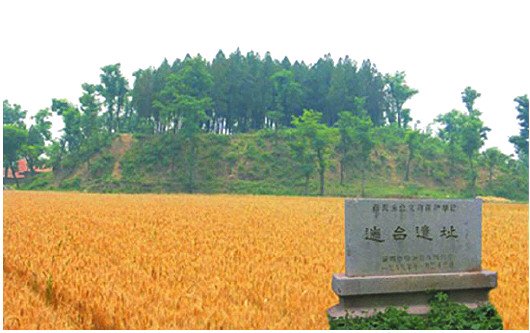
Core Insights - The article discusses the historical significance of horse breeding and management in the Qi state during the Eastern Zhou period, highlighting its impact on military and agricultural development [2][3][13] Group 1: Horse Breeding in Qi State - The Qi state had a favorable geographical environment for horse breeding, which provided a competitive advantage in military equipment development [3] - Key horse breeding bases were located in areas like Guangrao, Boxing, and Gaoqing, with historical sites such as the Xiyin ruins serving as management centers for horse breeding [3][5] - The importance of horses in military exercises and hunting practices is emphasized, with references to historical texts that document the scale of horse usage in Qi's military [4][6] Group 2: Cultural Significance of Horses - The story of Tian Ji's horse racing strategy illustrates the strategic thinking and adaptability in utilizing horses for competitive advantage [7] - Various historical sites, such as Chuantai and Xitai, reflect the cultural importance of horses in Qi, showcasing the state's dedication to equestrian activities [8] - The practice of horse sacrifice, particularly in the burial of Qi's rulers, underscores the deep cultural and economic ties between the state and its equine resources [12][13] Group 3: Historical Anecdotes and Their Implications - Anecdotes like the story of the king who sought a steed at any cost highlight the lengths to which rulers would go to secure quality horses, reflecting their value in statecraft [9][10] - The discovery of artifacts related to the Qi state, such as bronze swords, provides tangible evidence of the historical context surrounding horse management and military engagements [11] - The burial practices of Qi rulers, including the mass burial of horses, indicate the wealth and power of the state, as well as the significance of horses in their society [12]