毛细支气管炎

Search documents
宝宝咳不停、喘得慌?警惕毛细支气管炎
Bei Jing Qing Nian Bao· 2025-11-24 00:56
Core Points - The article highlights the increasing cases of bronchiolitis among children as the weather turns colder, with approximately 70% of cases linked to respiratory syncytial virus (RSV) [1][2] Group 1: Disease Overview - Bronchiolitis is primarily caused by RSV infection, which spreads through droplets and leads to swelling of the bronchial mucosa, resulting in breathing difficulties and wheezing [2] - Infants under 2 years old, especially those under 6 months, are more susceptible due to narrower airways and weaker immune systems [2] Group 2: Symptoms and Diagnosis - Typical symptoms of bronchiolitis include rapid and labored breathing, with signs of oxygen deficiency such as the "three recessions" during inhalation and nasal flaring [3] - Abnormal respiratory sounds can be heard near the baby's back, resembling a "hula-hula" sound [4] Group 3: Home Care and Treatment - Home care recommendations include maintaining indoor humidity around 60% to aid mucus clearance, frequent repositioning and back patting to loosen mucus, and feeding in small amounts to prevent choking [4] - The preferred treatment involves nebulized corticosteroids and mucolytics, with antibiotics generally unnecessary as most cases are viral [5] Group 4: Emergency Signs - Immediate medical attention is required if symptoms such as cyanosis, rapid or slowed breathing, lethargy, or refusal to feed occur [5] - Children with a history of allergies or allergic family conditions may need extended nebulization treatment [5]
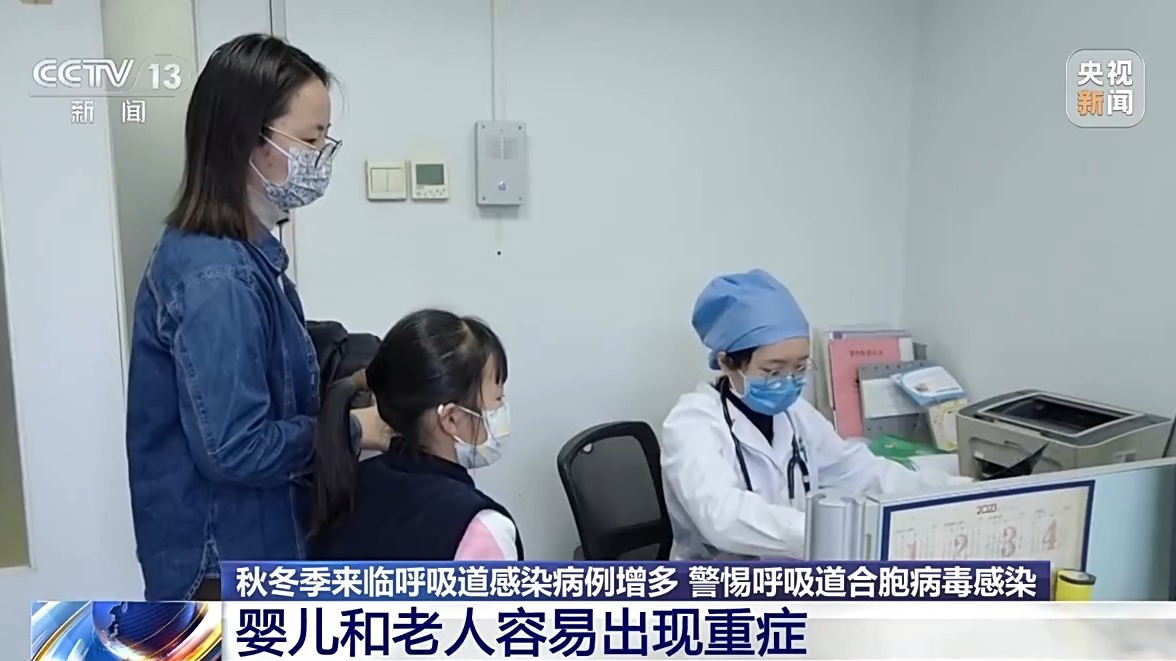
秋冬季警惕呼吸道合胞病毒感染 尤其是这两类人群→
Yang Shi Xin Wen· 2025-09-22 19:15
Core Viewpoint - The article highlights the increasing prevalence of respiratory syncytial virus (RSV) infections as the autumn and winter seasons approach, particularly affecting infants and the elderly, necessitating heightened preventive measures [1][2][6]. Group 1: RSV Infection Trends - The peak period for RSV infections in northern regions occurs from October to February, with a noticeable rise in cases in parts of North China [1]. - RSV is a highly contagious virus that primarily affects infants and can lead to severe lower respiratory infections, such as bronchiolitis and pneumonia [2][4]. Group 2: High-Risk Populations - Infants under one year old and elderly individuals aged 65 and above are identified as high-risk groups for severe RSV infections [6]. - Infants with underlying health conditions, such as premature birth or congenital heart disease, are particularly vulnerable to severe outcomes from RSV [4]. Group 3: Symptoms and Medical Attention - Parents should be vigilant for symptoms in infants during RSV season, including fever and wheezing, which may indicate bronchiolitis [7][11]. - Severe cases may present with high-pitched wheezing sounds, indicating airway spasms, and can lead to dehydration and pneumonia [11]. Group 4: Prevention Strategies - There is currently no specific antiviral treatment for RSV, making prevention crucial [12]. - Non-pharmaceutical preventive measures include covering the mouth and nose when coughing or sneezing, proper disposal of tissues, frequent handwashing, and avoiding crowded places during RSV season [14][15]. - It is advised that caregivers, especially those with mild symptoms, wear masks when caring for infants to reduce transmission risk [17].