呼吸道合胞病毒感染

Search documents
关于呼吸道合胞病毒,这些事项请知悉
Ren Min Wang· 2025-12-19 10:33
Core Insights - Respiratory syncytial virus (RSV) is a common respiratory pathogen in China, with seasonal outbreaks primarily occurring in autumn and winter, while some southern provinces may experience year-round circulation [1][2] - The general population is susceptible to RSV, but infants, the elderly, and individuals with chronic underlying conditions face a higher disease burden [1][2] Group 1: Infection Characteristics - RSV is the leading cause of acute respiratory infections in children, especially infants, with early symptoms resembling those of a common cold, including cough, sore throat, runny nose, and fever [2] - Severe clinical symptoms can develop, such as bronchitis and pneumonia, with rare cases leading to RSV-related encephalopathy [2] Group 2: Vulnerable Populations - Healthy adults typically exhibit mild upper respiratory symptoms upon RSV infection, but they should maintain respiratory and hand hygiene to prevent transmission [2] - Elderly individuals and those with chronic lung disease, cardiovascular disease, or immune deficiencies are at risk for severe lower respiratory infections, which may worsen heart and lung function [2]
中新健康丨呼吸道传染病流行季来了 婴幼儿警惕呼吸道合胞病毒感染
Zhong Guo Xin Wen Wang· 2025-11-14 05:20
Core Viewpoint - The article highlights the onset of the respiratory infectious disease season in China, emphasizing the increased risk of respiratory syncytial virus (RSV) infections among infants and young children, particularly in the context of rising cases of various acute respiratory infections [1] Group 1: Disease Trends - The overall trend of acute respiratory infections, including influenza, RSV, and rhinovirus infections, is on the rise in China [1] - RSV is noted to be endemic in southern regions year-round, while northern regions experience a more distinct seasonal peak from October to April [1] Group 2: Vulnerable Populations - Children under the age of 5 are at a higher risk of infection, with the highest risk observed in infants under 1 year old [1] - Mixed infections with other viruses can lead to severe cases, necessitating enhanced prevention and control measures [1]
国家疾控局提示当前流感总体处于中流行水平
Xin Hua Wang· 2025-11-10 09:32
Core Viewpoint - The article highlights the rising trend of acute respiratory infectious diseases in China, including influenza, respiratory syncytial virus, and rhinovirus infections, indicating the onset of the respiratory infectious disease epidemic season. Experts recommend timely vaccination against influenza and other related viruses [1]. Group 1: Current Situation - The overall influenza activity in China is at a moderate epidemic level, currently in an upward phase, with southern provinces experiencing higher activity than northern ones [1]. - The H3N2 subtype of the influenza virus accounts for over 95% of the cases, with a small number of H1N1 and B-type influenza viruses circulating concurrently [1]. Group 2: Pathogens and Vaccination - The main pathogens causing acute respiratory infections at this stage are known common pathogens, with no new or unknown pathogens detected [1]. - Due to the variability of the influenza virus, the components of the influenza vaccine are adjusted and updated annually, and immunity has a time-limited effectiveness. Therefore, it is recommended to get vaccinated before the peak of the local influenza season [1]. - Vaccination is beneficial and recommended at any time during the influenza season, even if it is not done before the peak [1].
呼吸道合胞病毒进入流行期?秋冬这样守护儿童呼吸道健康
Xin Hua She· 2025-10-15 20:36
Core Insights - The respiratory syncytial virus (RSV) is currently experiencing a rise in infection rates, particularly in southern provinces of China, with a notable increase in positive detection rates among children [2][3] - RSV is a common respiratory virus that primarily spreads through droplets and close contact, with symptoms initially resembling those of a common cold [2][3] - The current outbreak is attributed to multiple factors, including a lack of prior exposure among young children and the return to school, which facilitates virus transmission in enclosed spaces [3] Summary by Sections RSV Infection and Symptoms - RSV is the leading cause of acute lower respiratory infections in children under five, especially in infants under one year old [2] - Initial symptoms include runny nose, nasal congestion, cough, and fever, but severe cases may lead to respiratory distress and require hospitalization [2] Comparison with Other Respiratory Infections - RSV symptoms can be confused with those of influenza and mycoplasma pneumonia, but influenza typically presents with sudden onset, high fever, and muscle aches [5] - Mycoplasma pneumonia is more common in school-aged children, characterized by fever and a dry cough that progresses to productive cough [5] - Adenovirus infections usually present with milder symptoms such as fever and sore throat [5] Prevention and Vaccination - Vaccination is highlighted as a cost-effective measure to reduce severe cases, hospitalizations, and mortality, particularly for vulnerable populations like children and the elderly [8] - There has been a noticeable increase in demand for vaccines against respiratory infections since September, with initiatives to expand access to RSV monoclonal antibody injections [10] - Various regions are implementing measures to enhance pediatric healthcare access, including extended hours for pediatric services and family-based vaccination strategies [10] Daily Protective Measures - Experts recommend regular ventilation of indoor spaces, especially during winter, and encouraging good hygiene practices among family members [10] - Parents are advised to maintain a balanced diet, ensure adequate sleep, and promote physical activity to enhance children's immunity [10]

北京日报社区小板报 | 基本医保登记服务规范征求意见
Bei Jing Ri Bao Ke Hu Duan· 2025-10-12 23:46
Weather Update - The weather today is mostly sunny with some clouds, with a high temperature of 21℃ and a low of 10℃ at night [1] - The next two days will remain primarily sunny, making it suitable for outdoor activities [1] Transportation Notice - The subway lines 1 and 8 will operate in segments due to construction from October 18, 2025, to October 19, 2025, affecting three stations [1] Health Advisory - Ginkgo fruits, also known as white fruits, are dropping in parks and along roads, but they contain toxic substances and should not be consumed without proper processing [4] Insurance Regulation - The National Healthcare Security Administration has proposed a new regulation for basic medical insurance registration, stating that the processing time should not exceed five working days [6] Infrastructure Development - A new commercial and entertainment complex in Beijing, with an investment exceeding 10 billion yuan and a development area of approximately 500,000 square meters, is set to open soon [11] Cultural Heritage - The Palace Museum has updated its digital collection, adding 50,000 high-definition images of artifacts, bringing the total to over 150,000 [9]

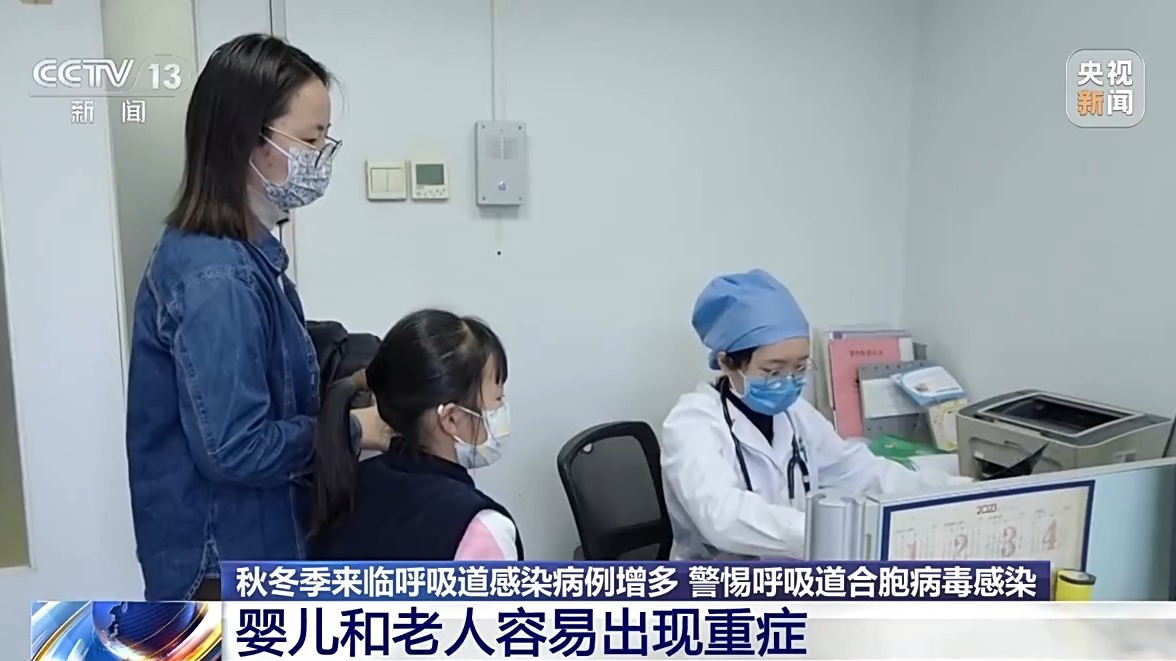
秋冬季警惕呼吸道合胞病毒感染 尤其是这两类人群→
Yang Shi Xin Wen· 2025-09-22 19:15
Core Viewpoint - The article highlights the increasing prevalence of respiratory syncytial virus (RSV) infections as the autumn and winter seasons approach, particularly affecting infants and the elderly, necessitating heightened preventive measures [1][2][6]. Group 1: RSV Infection Trends - The peak period for RSV infections in northern regions occurs from October to February, with a noticeable rise in cases in parts of North China [1]. - RSV is a highly contagious virus that primarily affects infants and can lead to severe lower respiratory infections, such as bronchiolitis and pneumonia [2][4]. Group 2: High-Risk Populations - Infants under one year old and elderly individuals aged 65 and above are identified as high-risk groups for severe RSV infections [6]. - Infants with underlying health conditions, such as premature birth or congenital heart disease, are particularly vulnerable to severe outcomes from RSV [4]. Group 3: Symptoms and Medical Attention - Parents should be vigilant for symptoms in infants during RSV season, including fever and wheezing, which may indicate bronchiolitis [7][11]. - Severe cases may present with high-pitched wheezing sounds, indicating airway spasms, and can lead to dehydration and pneumonia [11]. Group 4: Prevention Strategies - There is currently no specific antiviral treatment for RSV, making prevention crucial [12]. - Non-pharmaceutical preventive measures include covering the mouth and nose when coughing or sneezing, proper disposal of tissues, frequent handwashing, and avoiding crowded places during RSV season [14][15]. - It is advised that caregivers, especially those with mild symptoms, wear masks when caring for infants to reduce transmission risk [17].