汤匙阶级论

Search documents
曾创造了汉江奇迹的韩国,为何滑向内卷深渊
Di Yi Cai Jing· 2026-02-02 03:27
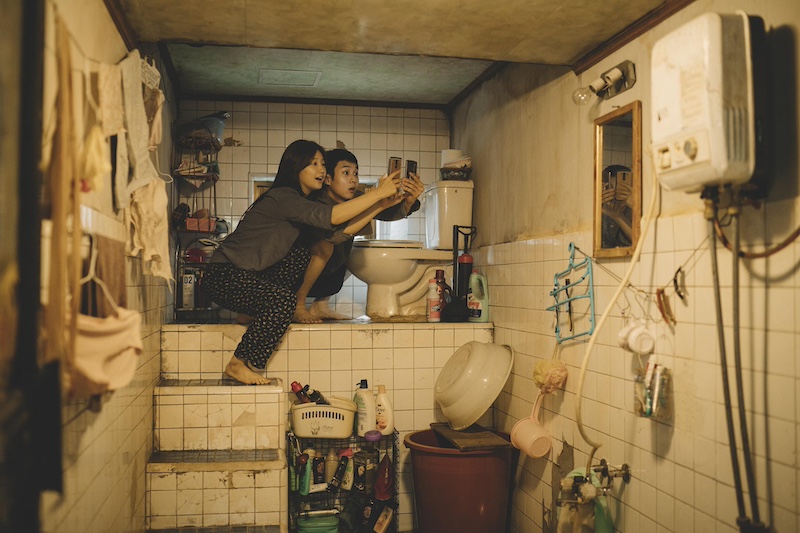
Core Viewpoint - The article discusses the severe wealth disparity in South Korea, exacerbated by government policies that have led society into a state of "involution," where competition becomes increasingly distorted and detrimental to social mobility [1][19]. Group 1: Economic Context - In 2018, South Korea's GDP ranked 12th globally, approximately one-third of Japan's GDP, but its per capita GDP remains relatively low [5]. - The OECD's Better Life Index shows South Korea's ranking dropped from 25th in 2014 to 30th in 2018, indicating a decline in overall life satisfaction [5]. - A significant portion of the population perceives a lack of opportunity for upward mobility, with 83.4% believing that personal effort has little chance of leading to social advancement [6]. Group 2: Social Issues - The concept of "half-basement" living conditions symbolizes poverty in South Korea, where families live in dark, damp spaces with limited sunlight and poor sanitation [3]. - Surveys indicate that a majority of South Koreans view various aspects of society, such as legal execution and employment opportunities, as unequal [8]. - The perception of social mobility is grim, with 80.8% believing that being born into a wealthy family is crucial for success, and 66.2% think corruption is necessary for climbing the social ladder [9]. Group 3: Historical Perspective - The rapid economic development known as the "Miracle on the Han River" has led to significant wealth concentration among a few conglomerates, hindering the growth of small and medium enterprises [11][12]. - The financial crisis of 1997 highlighted the structural issues within the economy, prompting the government to adopt neoliberal policies that further entrenched social inequalities [12][13]. - The aftermath of these policies resulted in widespread layoffs and a shift in employment practices, leading to a significant increase in non-regular employment [14][15]. Group 4: Cultural Implications - The terms "spoon class" and "N-generation" reflect the societal pressures and expectations placed on the youth, indicating a culture of intense competition and sacrifice [17][19]. - South Korean children have low life satisfaction scores compared to their peers in OECD countries, with minimal time spent with parents, highlighting the impact of societal pressures on family dynamics [18]. - The elderly face high poverty rates, with 45.7% living in poverty, a consequence of inadequate social welfare systems developed during the rapid economic growth period [19].