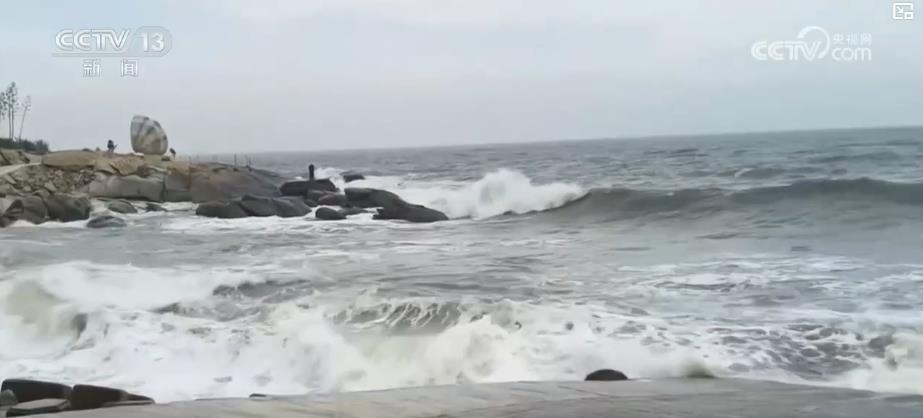
海啸防范

Search documents
浅源逆冲型强震易引发越洋海啸 海啸来了如何防范?安全科普↓
Yang Shi Wang· 2025-07-31 03:51
Core Viewpoint - The tsunami yellow alert has been lifted, but experts warn that vigilance should not be completely relaxed as residual tsunami waves may still impact coastal activities [1][2][3] Group 1: Tsunami Warning and Impact - The China Natural Resources Ministry's Tsunami Warning Center announced the lifting of the tsunami alert on July 30 at 18:19 [2] - Experts indicate that residual tsunami waves could still affect coastal activities, particularly in narrow bays and estuaries where significant fluctuations may occur [3] - The recent 8.7 magnitude earthquake in the Kamchatka region is noted as the strongest earthquake globally since the 9.0 magnitude earthquake in Japan in 2011, with a shallow depth of 10 kilometers, making it prone to triggering a wide-ranging tsunami [7][9] Group 2: Earthquake Characteristics - The Kamchatka Peninsula is part of the Pacific Ring of Fire, where the Pacific plate subducts beneath the North American plate at a rate of 7.7 centimeters per year, accumulating energy that is released through earthquakes [5] - The earthquake's shallow reverse fault type is likely to cause significant seabed deformation, which is a primary trigger for tsunamis [9] Group 3: Tsunami Preparedness - Prior to a tsunami, individuals should avoid beaches and low-lying coastal areas, and if they experience strong ground shaking or observe sudden water retreat, they should immediately move to higher ground [12] - The destructive power of tsunamis is influenced by coastal topography, with steep areas or "U-shaped" bays potentially amplifying wave heights, necessitating continuous vigilance until official alerts are lifted [14] - In deep water, vessels should not approach the shore or shallow areas, as tsunami waves are less destructive in deep water; personnel on boats should evacuate to higher ground [17]

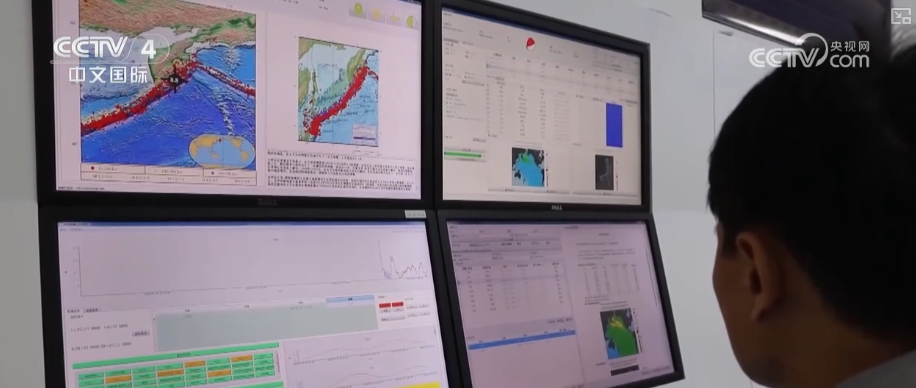
海啸是如何形成的?预警分几级?如何避险?一文读懂!
Yang Shi Wang· 2025-07-31 03:12
Core Points - Tsunamis are powerful waves caused by storms or underwater earthquakes, typically triggered by seismic events with a magnitude of 6.5 or higher occurring at depths of less than 50 kilometers [3] - The speed of tsunamis in the ocean can reach approximately 500 to 1,000 kilometers per hour, with distances between successive wave crests potentially reaching 500 to 650 kilometers [3] - Tsunami warnings are categorized into three levels: red warning for wave heights above 3 meters, orange warning for wave heights between 1 to 3 meters, and yellow warning for wave heights between 30 centimeters to 1 meter [3] Group 1 - Tsunamis can cause significant destruction, necessitating timely warnings from relevant authorities to help people prepare and take precautions [3] - Before a tsunami strikes, individuals should move away from beaches and low-lying coastal areas, especially if they feel strong ground shaking, notice sudden water withdrawal, or hear a loud roar [7] - The destructive power of tsunamis is influenced by coastal topography, with steeper areas or "U-shaped" bays potentially amplifying wave heights [8] Group 2 - During a tsunami, vessels in deep water should not head towards the shore or shallow areas, as the waves are less destructive in deep water [9] - Individuals on boats should evacuate immediately and seek higher ground [9] - It is crucial to remain in safe areas until official signals indicate that the tsunami threat has been lifted [8]