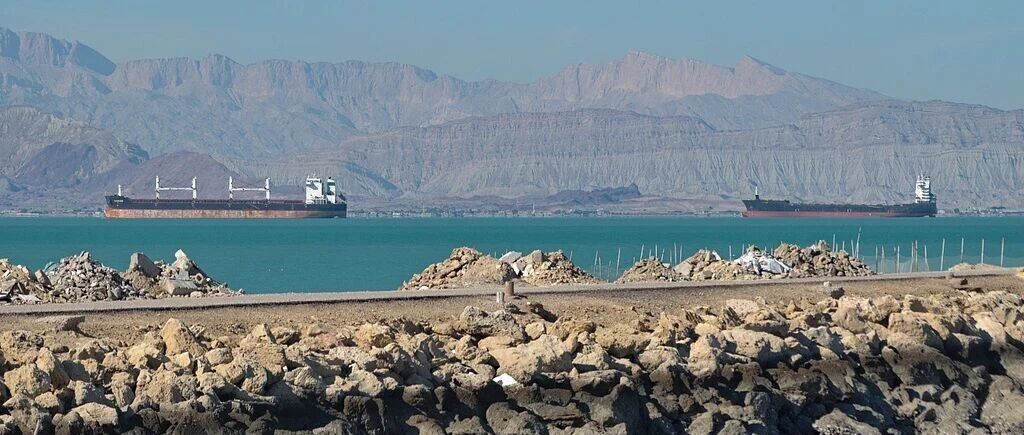
海峡管理体系

Search documents
收费通行?!霍尔木兹海峡,突传大消息
证券时报· 2026-03-30 08:12
Group 1 - Iran is considering exiting the Treaty on the Non-Proliferation of Nuclear Weapons (NPT) due to perceived threats to its national security and lack of effective guarantees for its legitimate security interests [1] - Iran plans to implement a stricter access and fee system for ships passing through the Strait of Hormuz, similar to the management models of the Bosporus Strait and the Suez Canal [1] - The Iranian parliament is actively promoting legislation to formalize the potential exit from the NPT, emphasizing the need to ensure national security amid external military threats [1] Group 2 - Two American universities in the Middle East have temporarily shifted to online classes as a precaution against potential Iranian retaliation following airstrikes on Iranian universities [2][3] - The American University of Beirut announced a transition to online teaching for March 30 and 31, citing no direct threats but opting for caution [3] - The University of Madaba in Jordan also announced a shift to online classes until April 2, following a warning from the Iranian Revolutionary Guard regarding potential retaliatory actions against U.S. universities in the region [4] Group 3 - An Iranian official reported that U.S. and Israeli aircraft violated Iranian airspace and attacked a children's amusement park in Isfahan, which was described as a crime against children [5][6] - There have been no reports of casualties from the attack on the amusement park as of the latest updates [7]


伊朗:计划对通过霍尔木兹海峡船只实施准入和收费制度,未经授权的船只不再拥有自由通行权
中国能源报· 2026-03-30 07:34
Core Viewpoint - Iran is considering exiting the Treaty on the Non-Proliferation of Nuclear Weapons (NPT) and plans to implement stricter access and fee regulations for ships passing through the Strait of Hormuz due to current international security concerns and external threats [1][3]. Group 1: Nuclear Treaty and Security - Iranian officials are actively discussing the possibility of formally withdrawing from the NPT, citing that their legitimate security interests have not been effectively safeguarded while fulfilling their obligations under the treaty [1]. - The Iranian parliament is pushing forward related proposals to ensure national security in the face of external military threats and perceived injustices [1]. Group 2: Strait of Hormuz Management - Iran claims complete control over the Strait of Hormuz and plans to establish a new management system for the strait, similar to the management models used by Turkey for the Bosporus Strait and Egypt for the Suez Canal [3]. - Ships passing through the Strait of Hormuz will be required to obtain permission from Iran and pay corresponding passage and service fees, as part of the new regulatory framework [3]. - Iran has incurred significant costs over the decades to maintain the security of the Strait and aims to recover these expenses through institutionalized measures while enhancing oversight of this critical waterway [3].

伊朗:计划对通过霍尔木兹海峡船只实施准入和收费制度
财联社· 2026-03-30 07:32
Core Viewpoint - Iran is seriously considering withdrawing from the Treaty on the Non-Proliferation of Nuclear Weapons due to current international security conditions and external threats [1] Group 1: Strategic Waterway Control - Iran claims to have complete control over the strategic Strait of Hormuz [1] - A new management system for the Strait is planned, modeled after Turkey's management of the Bosporus Strait and Egypt's management of the Suez Canal [1] Group 2: Regulatory Changes - Iran intends to implement stricter access and fee regulations for vessels passing through the Strait of Hormuz, requiring permission from Iranian authorities [1] - Ships will be required to pay corresponding passage and service fees under the new system [1]
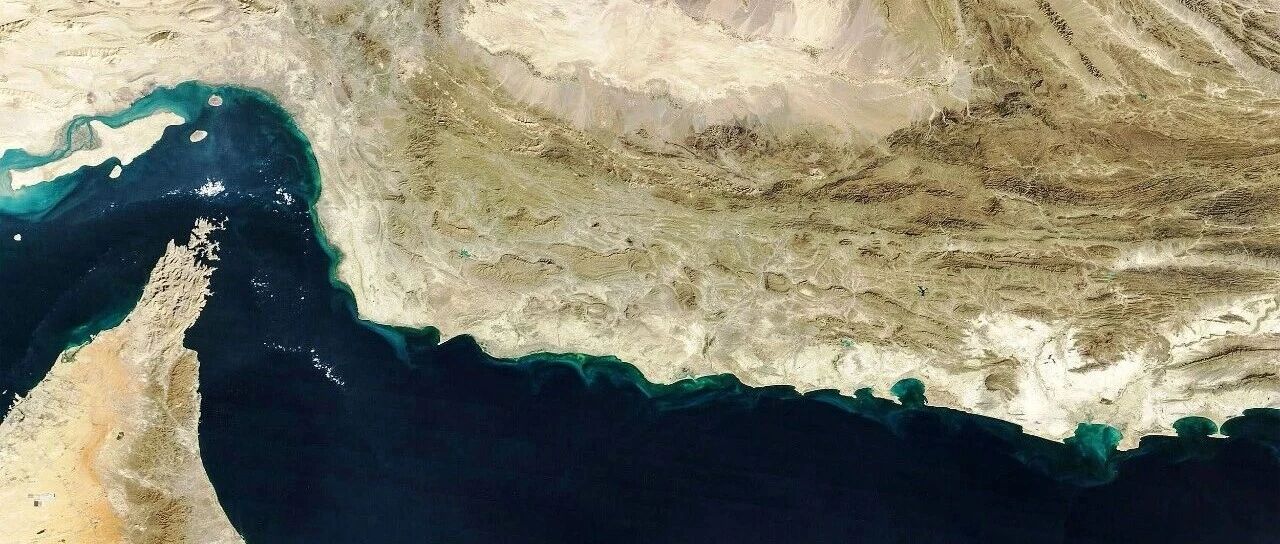
伊朗:计划对通过霍尔木兹海峡船只实施准入和收费制度
第一财经· 2026-03-30 07:12
Core Viewpoint - Iran is seriously considering withdrawing from the Treaty on the Non-Proliferation of Nuclear Weapons (NPT) due to current international security conditions and external threats, while also planning to implement stricter access and fee regulations for ships passing through the Strait of Hormuz [1] Group 1 - Iran's parliament is actively promoting legislation to explore the possibility of formally exiting the NPT, citing that its legitimate security interests have not been effectively safeguarded while fulfilling its obligations under the treaty [1] - The Iranian government asserts that it will take all necessary measures to ensure national security in the face of external military threats and unfair treatment [1] Group 2 - Iran claims complete control over the strategic Strait of Hormuz and plans to establish a new management system for the strait, similar to Turkey's management of the Bosporus Strait and Egypt's management of the Suez Canal [1] - Ships passing through the Strait of Hormuz will be required to obtain permission from the Iranian authorities and pay corresponding passage and service fees [1] Group 3 - Iran has incurred significant costs over the past decades to maintain the security of the Strait of Hormuz and aims to recover these expenses through institutionalized measures while enhancing oversight of the waterway [1] - As the relevant legislation progresses in parliament, unauthorized vessels will no longer have the right to freely navigate this critical waterway without Iranian government authorization [1]