海派艺术

Search documents
一个与马相关的展览,一场跨越四十年的艺术求索
Xin Lang Cai Jing· 2026-02-01 10:01
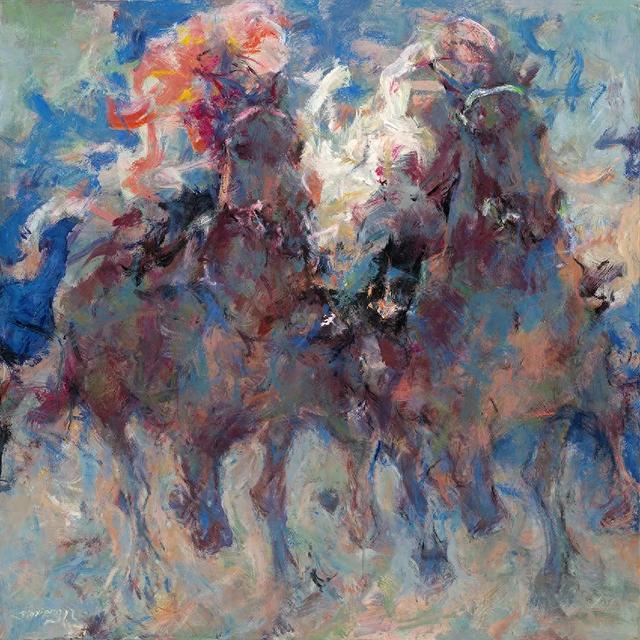
Core Viewpoint - The exhibition "Everything is a Horse - The Imagery and Spirit of Artist Bei Jiaxiang" showcases the artistic journey of Bei Jiaxiang, featuring over 90 pieces of his work spanning more than 40 years, emphasizing a dialogue between Eastern and Western aesthetics [1][3][8]. Group 1: Exhibition Overview - The exhibition is divided into four main sections: "The Form of Force," "The Memory of Light," "The Surprise of Drama," and "The Spring of Things," presenting a comprehensive aesthetic experience [3]. - The artworks are displayed in a carefully arranged manner, with a focus on the interplay of colors and forms, particularly in the piece "Spring Breeze and Proud Horse," which features a dynamic composition of orange-red and rose-red tones [3][8]. Group 2: Artist Background - Bei Jiaxiang, born in 1953 in Shanghai, graduated from Shanghai Normal University in 1976 and later from the Central Academy of Fine Arts in 1984, gaining recognition with his award-winning work [8][18]. - After moving to Australia in 1991, he continued to explore the integration of Chinese aesthetics into Western oil painting, developing a unique style characterized as "Western Language, Eastern Rhythm" [8][18]. Group 3: Artistic Philosophy - Bei Jiaxiang emphasizes the importance of emotional expression in his work, stating that the right feeling is crucial for his creative process [9]. - His art reflects a blend of modernity and traditional Chinese aesthetics, aiming to evoke a sense of nostalgia and cultural memory through his "Old Shanghai" series [16][18]. Group 4: Exhibition Details - The exhibition is a cultural gift from the Shanghai Haipai Art Museum to the audience, coinciding with the upcoming Lunar New Year [8]. - It will be open to the public until March 4, 2026, allowing ample time for visitors to engage with Bei Jiaxiang's artistic contributions [19].

王一亭笔下的“湖州名士”图
Xin Lang Cai Jing· 2026-01-06 23:41
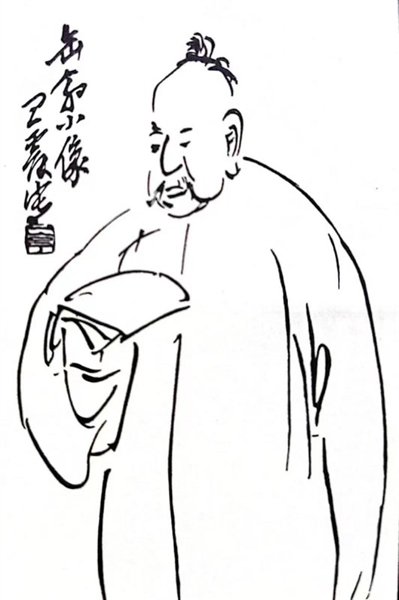
Core Viewpoint - The article highlights the life and contributions of Wang Yiting, a prominent figure in the late Qing and early Republican periods, known for his achievements in art, business, and social activities, particularly in promoting Huizhou culture and supporting local artists [9][12][17]. Group 1: Artistic Contributions - Wang Yiting was a significant artist in the Shanghai school, known for his unique style that blended traditional techniques with modern influences, particularly in portrait painting [10][21]. - His works often featured a wide range of subjects, including historical stories, folklore, and Buddhist themes, showcasing his versatility and deep understanding of cultural narratives [10][11]. - The collaboration with other artists, such as Wu Changshuo, exemplified the strong artistic bonds and mutual influence within the Huizhou artistic community, leading to the creation of notable works like the "Cao Weng Portrait" [14][15]. Group 2: Social and Cultural Impact - Wang Yiting actively participated in cultural and charitable activities, supporting local institutions and artists, which helped foster a sense of community among Huizhou natives in Shanghai [12][17]. - His efforts in promoting Huizhou culture included organizing art exhibitions and supporting young artists, thereby contributing to the preservation and development of local artistic traditions [12][18]. - Wang's involvement in social causes, such as disaster relief and educational initiatives, demonstrated his commitment to improving the welfare of his hometown and its people [17][19]. Group 3: Business Ventures - As a businessman, Wang Yiting invested significantly in national industries, believing that economic strength was essential for national prosperity [18]. - His transition from a constitutionalist to a revolutionary supporter during the late Qing period reflected his evolving political views and commitment to national reform [18][19]. - Wang's business acumen and connections in the Shanghai commercial scene allowed him to play a pivotal role in the economic landscape of the time, influencing both industry and politics [18][19].
一周展讯|从邓散木、唐云看海派艺术系列大展
Xin Lang Cai Jing· 2025-08-04 00:50
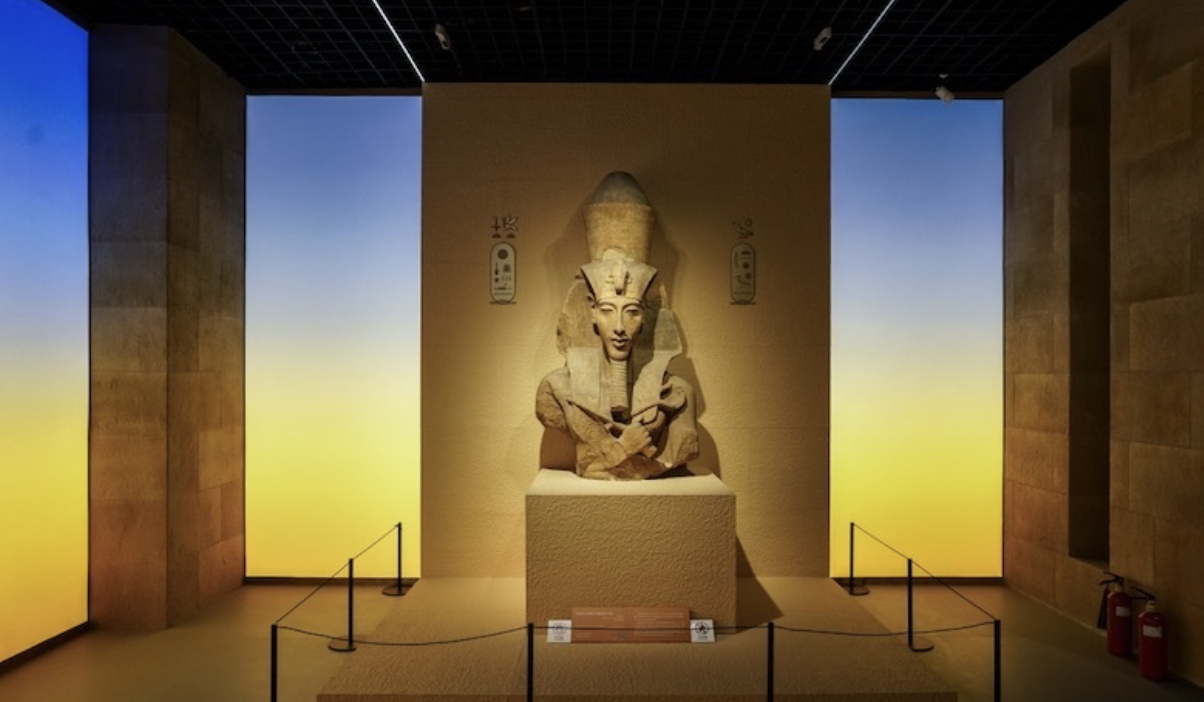
Group 1 - The article highlights various ongoing and upcoming art exhibitions in Shanghai and other regions, emphasizing the cultural significance and diversity of the showcased artworks [1][3][4] - The "Ancient Egyptian Civilization Exhibition" at the Shanghai Museum will feature 788 artifacts from different periods, aiming to reveal the essence of ancient Egyptian civilization and present the latest archaeological findings [3][4] - The "Life as Architecture" exhibition dedicated to architect I.M. Pei will present over 400 items, including drawings, models, and photographs, many of which are being displayed for the first time [4][6] Group 2 - The "Deng Sanmu Art Exhibition" will showcase a collection of calligraphy, seal carving, manuscripts, and personal items, reflecting the artist's contributions to Shanghai's cultural heritage [6] - The "Tang Yun Art Exhibition" will feature over 80 works divided into three thematic sections, exploring the evolution of Shanghai's flower-and-bird painting style [9] - The "Mogao Caves Art Exhibition" will present a dialogue between ancient and contemporary art through various artistic forms, including sculptures and contemporary works [11] Group 3 - The "Chinese Contemporary Art Yearbook Exhibition" will document and showcase the current state of Chinese art through a combination of literature and artworks [15] - The "Chinese Lunar Exploration Project 20 Years" exhibition will narrate the journey of China's lunar exploration from the launch of Chang'e 1 to the return of lunar soil by Chang'e 5 [17] - The "Greek Civilization Exhibition" will present 270 artifacts from 14 cultural institutions in Greece, covering a timeline from 5800 BC to the 1st century AD, showcasing the social and cultural aspects of ancient Greece [19]