滨水步道建设

Search documents
北京再添100公里滨水步道 北护城河-坝河-北运河将全线通航
Xin Lang Cai Jing· 2026-02-05 17:12
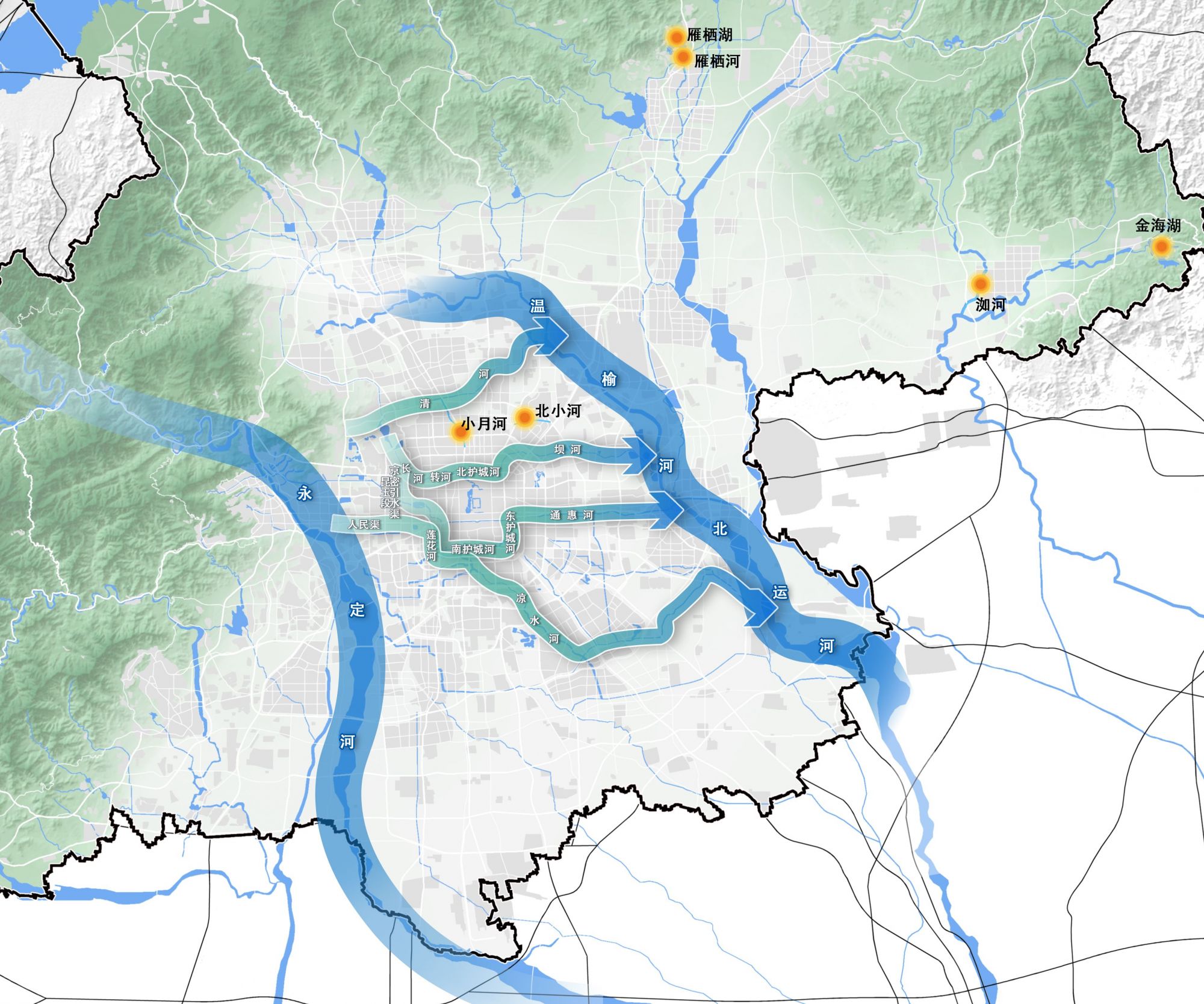
Core Viewpoint - Beijing is set to enhance its waterfront pathways by 2026, with plans to connect approximately 100 kilometers of waterfront trails along various rivers and canals, improving accessibility and recreational opportunities for residents and visitors [1][3]. Group 1: Waterfront Pathway Development - The plan includes the completion of a 10-kilometer waterfront pathway along the Yongding River, addressing three existing gaps and integrating it with the river's comprehensive improvement project [3]. - A total of 25 kilometers of waterfront pathways will be connected along the right bank of the Wenyu River, with five gaps to be addressed through engineering measures and signage [3]. - The project aims to connect 46 kilometers of waterfront pathways along the Qinghe River, with five bridge gaps to be resolved, enabling conditions suitable for hosting waterfront marathons [4]. Group 2: Additional Infrastructure and Upgrades - The initiative will also include the construction of a 3.5-kilometer waterfront pathway along the Yongding River diversion channel, enhancing public space and connectivity [4]. - The water authority plans to promote navigation along the Beihucheng River, Baha River, and Beiyun River, totaling 42 kilometers, with an additional 15 kilometers of navigation route to be established [5]. - Upgrades will be made to various lakes and rivers, including Jin Hai Lake and Yanqi Lake, to improve supporting facilities and enhance the ecological environment [5][6]. Group 3: Ecological and Water Resource Management - The water authority will implement ecological space connectivity projects in districts like Tongzhou and Daxing, focusing on water resource allocation and ecological flow guarantees [6][7]. - Measures will be taken to protect and restore groundwater in areas experiencing over-extraction, alongside the development of comprehensive management plans for water source protection [7]. - The authority will enhance flood prevention and disaster relief capabilities through improved monitoring and emergency response systems [8].