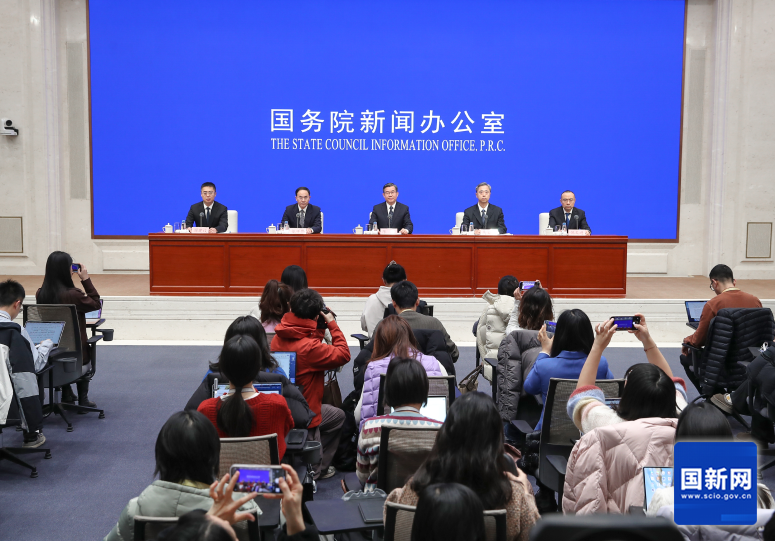
河湖生态环境复苏

Search documents
北京再添100公里滨水步道 北护城河-坝河-北运河将全线通航
Xin Lang Cai Jing· 2026-02-05 17:12
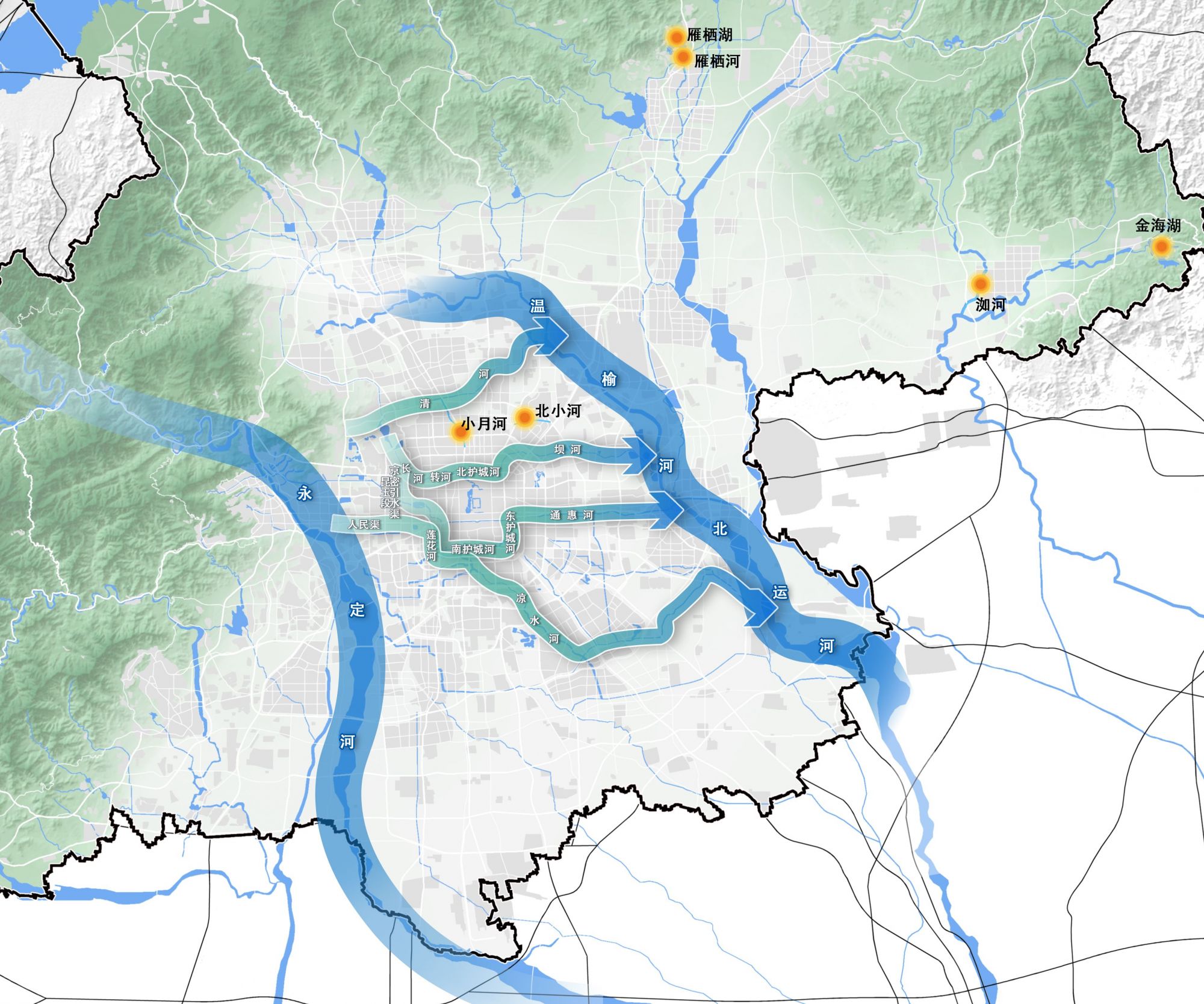
Core Viewpoint - Beijing is set to enhance its waterfront pathways by 2026, with plans to connect approximately 100 kilometers of waterfront trails along various rivers and canals, improving accessibility and recreational opportunities for residents and visitors [1][3]. Group 1: Waterfront Pathway Development - The plan includes the completion of a 10-kilometer waterfront pathway along the Yongding River, addressing three existing gaps and integrating it with the river's comprehensive improvement project [3]. - A total of 25 kilometers of waterfront pathways will be connected along the right bank of the Wenyu River, with five gaps to be addressed through engineering measures and signage [3]. - The project aims to connect 46 kilometers of waterfront pathways along the Qinghe River, with five bridge gaps to be resolved, enabling conditions suitable for hosting waterfront marathons [4]. Group 2: Additional Infrastructure and Upgrades - The initiative will also include the construction of a 3.5-kilometer waterfront pathway along the Yongding River diversion channel, enhancing public space and connectivity [4]. - The water authority plans to promote navigation along the Beihucheng River, Baha River, and Beiyun River, totaling 42 kilometers, with an additional 15 kilometers of navigation route to be established [5]. - Upgrades will be made to various lakes and rivers, including Jin Hai Lake and Yanqi Lake, to improve supporting facilities and enhance the ecological environment [5][6]. Group 3: Ecological and Water Resource Management - The water authority will implement ecological space connectivity projects in districts like Tongzhou and Daxing, focusing on water resource allocation and ecological flow guarantees [6][7]. - Measures will be taken to protect and restore groundwater in areas experiencing over-extraction, alongside the development of comprehensive management plans for water source protection [7]. - The authority will enhance flood prevention and disaster relief capabilities through improved monitoring and emergency response systems [8].

国家水网覆盖超八成国土面积(权威发布)
Ren Min Ri Bao· 2026-01-10 00:43
Core Viewpoint - The Chinese government is accelerating the construction of the national water network, with significant investments and projects aimed at improving water resource management, enhancing agricultural productivity, and ensuring water security across the country [2][3][4]. Investment and Economic Impact - In 2025, China completed water conservancy construction investments of 1.28 trillion yuan, creating 3.15 million jobs and effectively supporting economic growth and employment [2]. - During the "14th Five-Year Plan" period, a total of 5.68 trillion yuan was invested in water conservancy projects, with an average annual investment exceeding 1 trillion yuan since 2022 [3]. - The national water network now covers 80.3% of the country's land area, providing water security for major strategic implementations and economic zones [3]. Water Resource Management - The construction of the national water network includes 181 major water conservancy projects, with 94 projects completed and operational, and significant improvements in water supply capabilities [2][3]. - The South-to-North Water Diversion Project has delivered over 85 billion cubic meters of water to northern cities, benefiting 195 million people [2]. Ecological Restoration - The Ministry of Water Resources has initiated actions to restore river and lake ecosystems, achieving significant improvements in water flow and ecological conditions [4]. - Measures taken include optimizing water resource allocation and implementing ecological restoration, resulting in the continuous flow of historically dried rivers and lakes [4]. Agricultural Water Efficiency - The modernization of large and medium-sized irrigation districts is being prioritized, with an increase in irrigated farmland and grain production efficiency [6][7]. - By 2025, the irrigated area is expected to reach 109 million acres, with large and medium-sized irrigation districts accounting for 38.89% of the national grain planting area [7]. Disaster Prevention and Management - The Ministry of Water Resources is enhancing flood prevention systems and monitoring frameworks, with significant flood control measures already in place [8]. - In 2025, water management efforts prevented flooding in 1,082 towns and protected 830,000 acres of farmland, avoiding the displacement of 3.06 million people [8].
水利建设连续四年完成投资超一万亿元 国家水网覆盖超八成国土面积(权威发布)
Ren Min Ri Bao· 2026-01-09 22:09
Core Insights - The Chinese government is accelerating the construction of the national water network, with significant investments and projects aimed at improving water management and infrastructure [2][3] Investment and Economic Impact - In 2025, China completed water conservancy construction investments of 1.28 trillion yuan, creating 3.15 million jobs and effectively stabilizing growth and promoting employment [2] - During the "14th Five-Year Plan" period, total water conservancy investment reached 5.68 trillion yuan, with an average annual investment exceeding 1 trillion yuan since 2022 [3] - The national water network now covers 80.3% of the country's land area, providing water security for major strategic implementations and economic zones [3] Infrastructure Development - A total of 181 major water conservancy projects commenced during the "14th Five-Year Plan," an increase of 65 projects compared to the previous five-year period [2] - By 2025, 9.42 million rural water supply projects will be completed, improving water supply security for 134 million rural residents [2] Ecological Restoration - The Ministry of Water Resources has initiated 88 river and lake restoration actions, resulting in significant improvements in the ecological environment [4] - Key rivers and lakes have been restored, with notable achievements including the continuous flow of the Grand Canal and the Yongding River for several years [4] Water Efficiency and Management - The Ministry is promoting high-quality development in water-saving industries, with significant investments in water-saving projects and management [5] - By 2025, the effective utilization coefficient of irrigation water in farmland reached 0.583, with a stable grain production capacity maintained [7] Disaster Prevention and Management - The Ministry has improved flood prevention systems, issuing over 22,100 dispatch orders and storing 120.2 billion cubic meters of floodwater in reservoirs [8] - Plans for 2026 include the initiation of major water conservancy projects to enhance flood safety and water supply capabilities [8]
夯实水安全保障 支撑高质量发展
Ren Min Wang· 2026-01-09 08:17
Group 1: Water Infrastructure and Ecological Restoration - The core message emphasizes the significant progress in water infrastructure and ecological restoration in China, with the national water network construction and ecological governance being key focuses [2][3] - The Ministry of Water Resources has successfully implemented the "Mother River Revival Action," resulting in 88 rivers and lakes being revitalized since 2022, with 79 rivers achieving full connectivity [3][4] - Groundwater levels in North China have shown notable recovery, with shallow and deep groundwater levels rising by 3.76 meters and 7.65 meters respectively compared to 2020 [3][4] Group 2: Agricultural Irrigation and Food Security - By 2025, China's grain production is projected to exceed 1.4 trillion jin, with irrigation playing a crucial role, as 80.76% of grain production is linked to irrigated farmland [5][6] - The irrigated area is expected to reach 109 million acres by the end of 2025, an increase of over 5.3 million acres from the end of the 13th Five-Year Plan [5] - The effective utilization rate of irrigation water in agriculture has reached 0.583, maintaining a production capacity of over 1.8 kilograms of grain per cubic meter of irrigation water [6] Group 3: Financing and Investment in Water Projects - Water infrastructure investment has exceeded 1 trillion yuan for four consecutive years, with a total investment of 5.68 trillion yuan during the 14th Five-Year Plan period [7][9] - The participation of social capital in water projects has increased significantly, with 548.5 billion yuan attracted during the 14th Five-Year Plan, marking an 86.4% increase from the previous plan [7][9] - Innovative financing models, such as the issuance of water infrastructure investment trust funds, are being explored to enhance funding for water projects [8][9]