灾难资本主义

Search documents
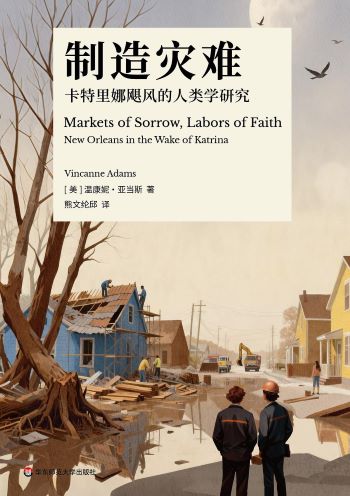
美国飓风灾后重建,为何带来更多社会不公?
Di Yi Cai Jing· 2025-12-12 03:49
Core Viewpoint - The recovery from Hurricane Katrina in New Orleans has highlighted significant disparities among different socio-economic groups, with wealthier communities recovering much faster than those predominantly inhabited by African American laborers, raising concerns about systemic inequalities in disaster recovery efforts [1][4][6]. Group 1: Recovery Disparities - The recovery levels in New Orleans vary greatly by community, with affluent areas showing little to no signs of disaster impact, while poorer neighborhoods remain devastated [2][3]. - By 2015, nearly 60% of New Orleans' population was African American before the hurricane, but less than half of these individuals had the means to return and rebuild their homes a decade later [3][4]. Group 2: Systemic Issues in Recovery - The recovery process has been hampered by systemic issues that fail to meet the diverse needs of different community tiers, influenced by geographical, infrastructural, and socio-political factors [4][8]. - The reliance on market-driven recovery mechanisms has led to new forms of inequality, where those already disadvantaged face slower recovery or complete inability to rebuild [7][8]. Group 3: Role of Organizations and Capitalism - The concept of "disaster capitalism" has been critiqued, suggesting that the profit-driven nature of recovery efforts exacerbates existing inequalities and creates new challenges for vulnerable populations [6][7]. - Charitable organizations and volunteer groups, while active in recovery efforts, often face limitations due to their ideological constraints and the socio-economic dynamics of the communities they serve [7][8].