炒币骗局

Search documents
起底炒币骗局全套路:网红喊单、下乡洗脑、造“暴富神话”
3 6 Ke· 2025-12-03 09:51
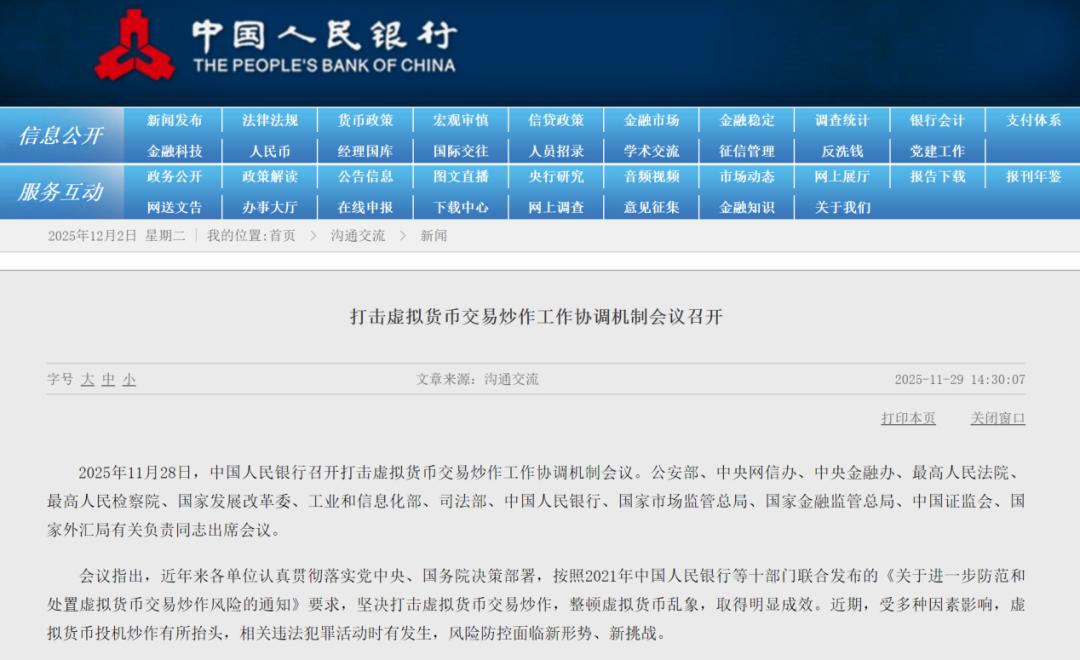
Core Viewpoint - The article highlights the increasing prevalence of cryptocurrency scams in China, with regulatory bodies emphasizing the need for stricter measures against illegal activities related to virtual currencies [1][5]. Regulatory Response - A meeting was held by the People's Bank of China along with multiple government agencies to address the rise in cryptocurrency speculation and related criminal activities, indicating a new challenge in risk prevention [1]. - The meeting reiterated that virtual currencies do not hold the same legal status as fiat currencies and should not be circulated as money, categorizing related business activities as illegal financial operations [1]. Statistics on Scams - In the first ten months of 2024, over 8,300 cryptocurrency-related fraud cases were reported in China, involving more than 20 billion yuan, marking an increase of over 40% compared to the same period in 2023 [5]. Case Studies of Scams - The article details a case involving a KOL named Crypto Beast, who allegedly manipulated the market by promoting a token called ALT, leading to significant financial losses for investors [6][7]. - Another case describes an individual who was lured into investing in a fraudulent token called MOS, which turned out to be a Ponzi scheme disguised as a decentralized finance product [9][10]. - A narrative of an elderly woman falling victim to multiple scams illustrates how deceptive marketing tactics are used to exploit vulnerable populations, particularly in lower-tier markets [11][13]. Common Scam Tactics - Scammers often use enticing phrases like "next hundredfold coin" and create a sense of urgency to attract investors, while fabricating success stories and endorsements to build credibility [6][17]. - The article notes that scams frequently involve false claims of risk-free investments, promises of high returns, and the creation of fake projects with fabricated white papers and celebrity endorsements [17]. Conclusion - The article concludes that despite the evolution of scams, their core strategies remain unchanged, exploiting human psychology and the desire for quick wealth, ultimately leading to significant financial losses for victims [17][18].