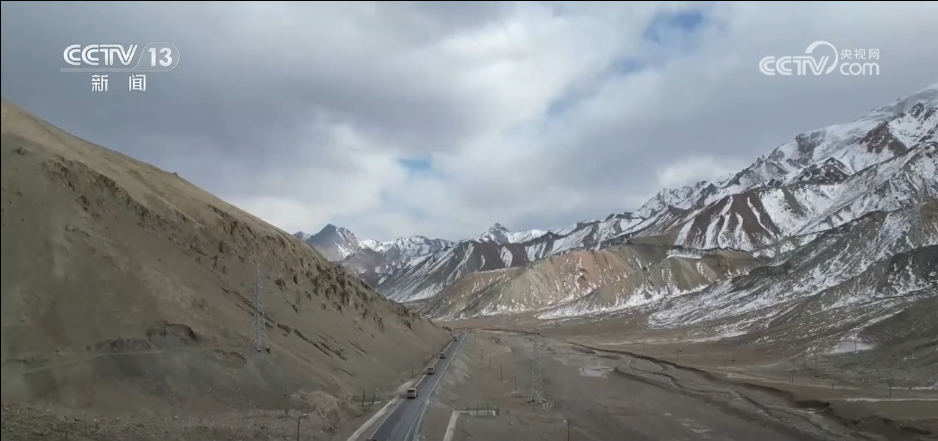
物资运输保障

Search documents
@河北人 春运倒计时!您准备好了吗?
Xin Lang Cai Jing· 2026-01-21 12:20
Core Viewpoint - The 2026 Spring Festival travel season is expected to see a record high in passenger flow, with approximately 5.5 billion trips anticipated, marking a 3% year-on-year increase [3]. Group 1: Travel Volume and Trends - The Spring Festival travel period will last from February 2 to March 13, 2026, spanning 40 days [1]. - The majority of travel will be by private vehicles, with an estimated 35.79 million trips via commercial passenger transport, reflecting a 1.8% increase [3]. - Passenger volumes for rail, road, and air travel are projected to be 13.95 million, 20 million, and 1.84 million respectively, with growth rates of 1%, 1.4%, and 12.7% [3]. - The peak travel days are expected to occur on February 13 (the day before the Lunar New Year) and during the return trips on February 22 and March 4 [3]. Group 2: Transportation Measures - The railway department is enhancing capacity through dynamic scheduling and additional services, including the use of multiple train sets and extra passenger trains [4]. - Transportation authorities are optimizing passenger vehicle schedules and increasing service frequency in rural areas to ensure seamless travel for the public [4]. - The civil aviation sector is increasing flight availability to popular destinations, ensuring adequate capacity during peak travel times [4]. Group 3: Traffic and Tourist Attractions - The total traffic volume on highways during the Spring Festival is expected to exceed 86 million trips, with significant congestion anticipated on major routes [5]. - Key congested highway segments include the Daguang Expressway and the Beijing-Hong Kong-Macau Expressway, among others [5]. - Tourist attractions are expected to see a surge in visitors, with popular sites like the Shijiazhuang Zhengding Ancient City and Tangshan Hetou Old Street experiencing increased traffic [6].

铁骑驰骋、勇闯天路 高原汽车兵打造钢铁保障线 运送物资到边防一线
Yang Shi Wang· 2025-12-03 12:48
Core Viewpoint - The article highlights the efforts of a transportation team from the Xinjiang Military Region, which successfully delivered winter supplies to a border defense location at an altitude of 5000 meters before heavy snowfall blocked access routes. Group 1: Transportation Challenges - The transportation team traversed nearly 1000 kilometers over snow-covered mountains and multiple high passes exceeding 4000 meters in altitude [1][4]. - The team faced severe weather conditions, including strong winds and low visibility, which posed significant risks during the journey [6]. - A vehicle experienced a tire blowout due to harsh road conditions, necessitating urgent repairs to ensure the mission's success [8]. Group 2: Operational Strategies - To enhance transportation efficiency, the team implemented a mentorship approach, pairing experienced drivers with less experienced ones to improve skills and knowledge of high-altitude driving [8]. - The team maintained safety protocols by keeping appropriate distances and speeds while navigating through challenging terrains [6].