
特朗普20点计划

Search documents
以色列与哈马斯互指对方未遵守停火协议,加沙和平如履薄冰
Jin Shi Shu Ju· 2025-10-17 05:29
Group 1 - Israel is preparing to reopen the Rafah crossing between Gaza and Egypt to allow Palestinian movement, but no specific date has been set [2] - There are ongoing accusations between Israel and Hamas regarding violations of the US-mediated ceasefire agreement, particularly concerning the return of hostages [3][4] - Hamas has returned 10 bodies of deceased hostages, but disputes exist over the identification of these remains, with Israel claiming one is not a hostage [3] Group 2 - A senior Hamas official accused Israel of causing at least 24 deaths since last Friday, claiming this violates the ceasefire agreement [4] - The Israeli military has stated that its actions were in response to perceived threats from Palestinians approaching their positions [4] - The ongoing conflict has led to significant casualties, with Gaza's health department reporting nearly 68,000 Palestinian deaths due to Israeli bombings and airstrikes [8] Group 3 - The Trump administration's "20-point plan" is moving to the next phase, demanding Hamas disarm and relinquish power, which Hamas has rejected [5] - Trump has threatened further action against Hamas if they continue violence, indicating that any intervention would not involve US military forces directly [6] Group 4 - The humanitarian crisis in Gaza is worsening, with reports of famine in some areas and a need for thousands of aid vehicles weekly to alleviate the situation [8] - The COGAT agency has stated that the Rafah crossing will not be used for aid supplies, which must go through the Israeli-controlled Kerem Shalom crossing [8] - Despite some aid entering Gaza, medical resources remain scarce, and the majority of the 2.2 million population is homeless [8]
哈马斯提明确要求 特朗普称未来48小时至关重要
Yang Shi Xin Wen· 2025-10-08 01:05
Group 1 - The core of the negotiations between Hamas and Israel focuses on establishing a ceasefire and the potential exchange of hostages and prisoners [1][4] - The talks are mediated by Egypt and Qatar, with indirect discussions taking place in Sharm El Sheikh [1][10] - Hamas has set two main conditions for a ceasefire: the permanent end of Israeli occupation of Gaza with international guarantees, and linking the release of remaining Israeli hostages to the timeline of Israeli military withdrawal [7][9] Group 2 - The negotiations are described as "difficult and complex," with significant disagreements on key issues, particularly regarding the disarmament of Hamas and the conditions for a permanent ceasefire [4][9] - The involvement of international representatives from Qatar, Turkey, and the United States is expected to influence the negotiations, with the U.S. emphasizing the importance of the next 48 hours for reaching an agreement [10][11] - Humanitarian concerns are highlighted, with calls from the UN for immediate ceasefire and increased humanitarian aid, as the situation in Gaza has led to severe humanitarian crises, including high child mortality rates and food insecurity [14][16]

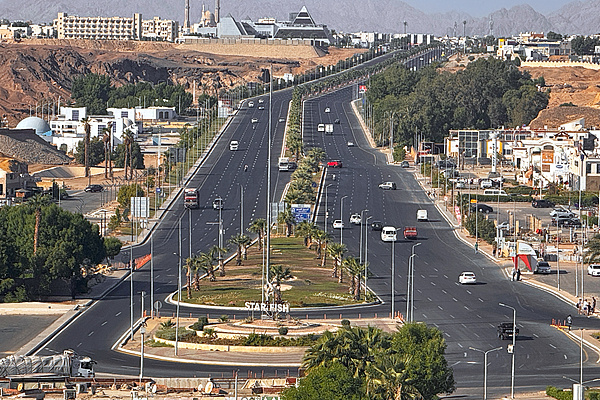
巴以停火谈判首日 氛围积极但分歧难弥
Xin Hua Wang· 2025-10-07 08:41
Group 1 - The core point of the article is the ongoing negotiations for a ceasefire between Israel and Hamas, taking place in Sharm El-Sheikh, Egypt, amid ongoing violence in Gaza [1][8]. - The negotiations are mediated by Egypt and Qatar, focusing on the exchange of hostages and prisoners, with both sides acknowledging the principles of Trump's "20-point plan" [2][6]. - Despite a positive atmosphere on the first day of talks, significant disagreements remain on key issues such as the scale and timeline of Israeli withdrawal from Gaza and the disarmament of Hamas [6][7]. Group 2 - The Israeli delegation includes officials from the Mossad and Shin Bet, as well as advisors to Prime Minister Netanyahu, while Hamas is represented by its chief negotiator and other leaders [2][3]. - The U.S. has sent its Middle East envoy and former senior officials to participate in the negotiations, indicating international interest in the outcome [3]. - The ongoing violence in Gaza continues despite the negotiations, with reports of airstrikes and destruction, highlighting the complexity of achieving a ceasefire [8][9].
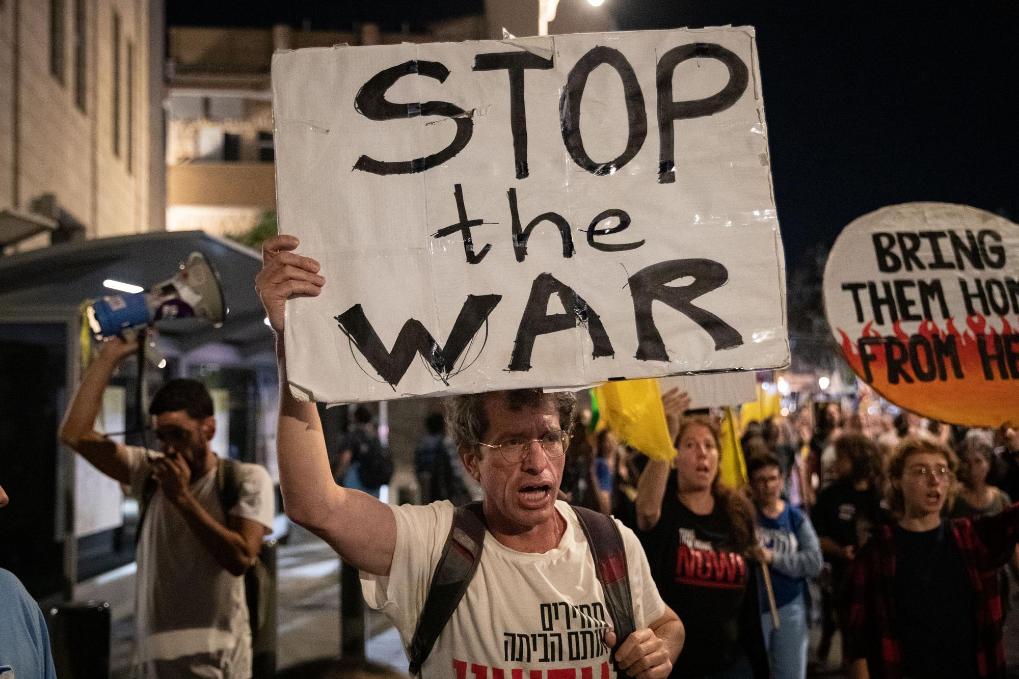
拒绝分阶段谈判!加沙停火谈判换策略,能否打破以往僵局?
Jin Shi Shu Ju· 2025-10-06 03:53
Core Viewpoint - The ongoing negotiations between Hamas and Israel, facilitated by the U.S., aim to achieve a ceasefire and the release of hostages in Gaza, with significant developments expected in the coming days [1][2]. Group 1: Negotiation Dynamics - Hamas officials have arrived in Egypt to negotiate with Israel, with a focus on hostage release and a potential ceasefire [1]. - The Israeli negotiation team, led by Strategic Affairs Minister Ron Dermer, is set to meet in Sharm El Sheikh to discuss the release of hostages [1]. - U.S. Secretary of State Marco Rubio indicated that the sincerity of Hamas will soon be assessed based on the logistical progress of the negotiations [1]. - Trump has expressed optimism about the negotiations, stating that the first phase, which involves hostage release in exchange for Palestinian prisoners, should be completed soon [1][2]. Group 2: Strategic Approach - Unlike previous negotiations that followed a phased approach, the current talks aim to finalize a comprehensive agreement before a ceasefire is established [3]. - Rubio emphasized the urgency of reaching a resolution quickly, indicating that the timeline for finalizing the hostage release agreement is not expected to extend for weeks [3]. Group 3: Ongoing Conflict and Reactions - Despite the diplomatic efforts, Israeli airstrikes in Gaza continue, resulting in civilian casualties, which raises concerns about the effectiveness of the peace initiatives [4][6]. - The ongoing military actions have led to over 67,000 deaths in Gaza, predominantly among civilians, contributing to Israel's international isolation [6]. - There is a mixed sentiment within Israel regarding the war's end, with some citizens expressing hope due to Trump's plan, while others, including hardline government members, oppose any cessation of military operations [5].
特朗普“20点计划”的变与不变
Xin Hua She· 2025-09-30 07:12
Core Viewpoint - The meeting between US President Trump and Israeli Prime Minister Netanyahu resulted in the announcement of a revised "20-point plan" aimed at ending the Gaza conflict, which includes key changes from the previous "21-point plan" [1][2]. Changes in the Plan - The "20-point plan" emphasizes a ceasefire in exchange for the release of hostages, gradual Israeli troop withdrawal, international oversight, demilitarization of Gaza, and reconstruction efforts [1]. - The timeline for Hamas to release hostages has been extended from 48 hours to 72 hours, and new provisions for disarmament under independent supervision have been added [2]. - The plan omits a clause regarding Israel's non-aggression towards Qatar, reducing the total number of points to 20 [2]. Unchanged Aspects - Despite the negotiations, Israel's military actions in Gaza have not ceased, with reports of casualties on the same day as the announcement [3]. - The US continues to show a bias towards Israel, and Hamas's resistance stance remains unchanged [3]. - Netanyahu has warned that if Hamas does not accept the plan, Israel will act independently to achieve its objectives [3]. Impacts of the Plan - The implementation of the plan heavily relies on the political will of all parties involved, with potential failure if Hamas rejects or delays acceptance [5]. - Experts highlight that the plan lacks binding timelines and enforcement mechanisms, increasing the risk of non-implementation [5]. - Netanyahu faces domestic political pressure and international isolation, which may complicate the ceasefire agreement's execution [5].