环保发展

Search documents
趋势研判!2026年中国空调铝箔行业产业链、发展现状、竞争格局及发展趋势分析:受下游需求变化,行业产量呈波动态势[图]
Chan Ye Xin Xi Wang· 2026-01-19 01:09
Core Viewpoint - The air conditioning aluminum foil industry is experiencing fluctuations in production due to varying market demands, with a projected increase in production in 2024 followed by a decline in 2025 due to rising inventory levels [1][7]. Industry Overview - Air conditioning aluminum foil is a critical material in the air conditioning manufacturing sector, known for its lightweight, corrosion resistance, and thermal conductivity [1][3]. - The industry is divided into non-coated and coated aluminum foil, with the latter gaining traction in recent years due to its enhanced functionality [3]. Production Trends - China's air conditioning aluminum foil production saw a significant drop to 860,000 tons in 2022, a 14% decrease year-on-year, due to the impact of the pandemic [1][7]. - In 2023, production began to recover, and by 2024, it is expected to reach 1,060,000 tons, a 1.9% increase from the previous year [1][7]. - However, a forecast for 2025 indicates a decline to 1,020,000 tons, a reduction of approximately 40,000 tons or 3.8% [1][7]. Industry Chain - The upstream of the air conditioning aluminum foil industry includes raw materials such as bauxite, alumina, electrolytic aluminum, and recycled aluminum [5]. - The production of electrolytic aluminum is crucial, with China's output projected to grow from 35.13 million tons in 2019 to 44.00 million tons by 2024 [5][6]. Competitive Landscape - The air conditioning aluminum foil market is characterized by a diverse competitive landscape, with large companies dominating due to scale and technology, while smaller firms seek market opportunities through flexible strategies [9]. - Key players include Jiangsu Dingsheng New Material Co., Ltd., Guangdong Dongyangguang Technology Holdings Co., Ltd., and Jiangsu Chang Aluminum Group Co., Ltd., among others [9][10]. Development Trends - Technological innovation is driving the industry forward, with companies investing in R&D to enhance product quality and performance [11]. - Environmental policies are pushing the industry towards more sustainable practices, creating opportunities for the development of recyclable and biodegradable aluminum foil materials [12]. - The industry is expected to undergo consolidation and restructuring, optimizing the industry structure and improving production efficiency [13].


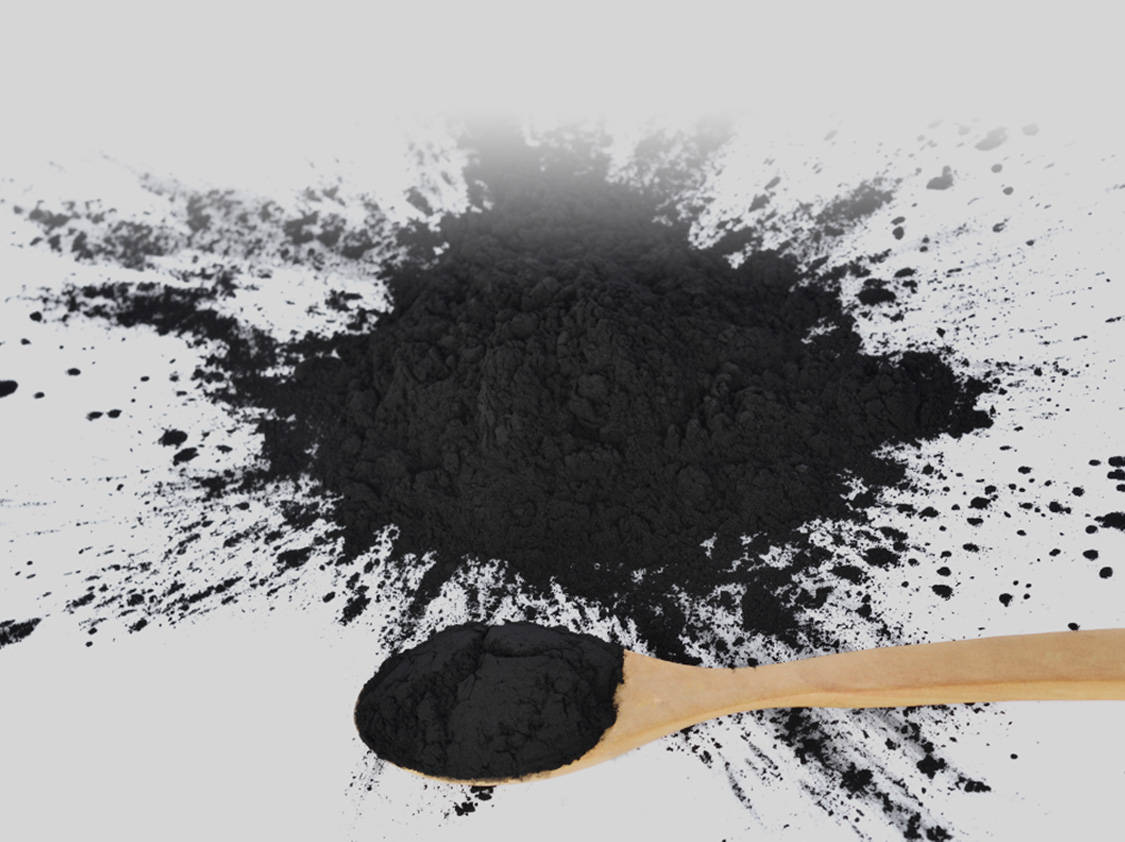
橡胶炭黑的前景
Sou Hu Cai Jing· 2025-09-17 21:08
Market Demand - Rubber carbon black is a crucial industrial material widely used in rubber, plastics, printing inks, and paints, with increasing demand driven by the growth of the global automotive and aerospace industries [2] - The demand for rubber carbon black is also rising in the plastic, printing ink, and paint sectors, indicating a sustained growth trajectory for the market in the future [2] Industry Landscape - The global rubber carbon black market is characterized by a certain level of concentration, dominated by companies from developed countries such as the United States, Europe, and Japan, with leading firms including Cabot, Evonik, and Mitsubishi Chemical [2] - China's rubber carbon black industry is rapidly developing, with Chinese companies accounting for over 40% of global production capacity, although there remains a gap compared to international leaders [3] Technological Innovation - Technological innovation is a key driver for the development of the rubber carbon black industry, necessitating the continuous development of new technologies and products to meet market demands [3] - Current focus areas for technological innovation in the rubber carbon black industry include: 1. Green and environmentally friendly technologies, such as utilizing biomass waste as raw materials for production [4] 2. High-performance technologies to enhance product quality [4] 3. Low-cost production technologies to improve profitability and competitiveness [4]