
玻塑混合镜头技术

Search documents
半年拿下四款旗舰机型,瑞声科技WLG玻塑镜头今年销量超前三年总和
Zhi Tong Cai Jing· 2025-10-28 02:43
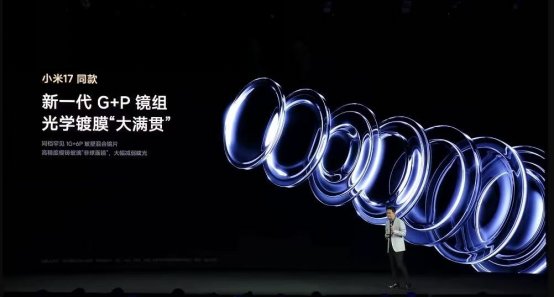
Core Insights - The article highlights the rapid development and adoption of glass-plastic hybrid lens technology in smartphones, particularly with the recent launch of the REDMI K90 Pro Max, which achieved over 130,000 sales on its first day, marking a 120% increase compared to its predecessor [1] - The technology is gaining traction among manufacturers, with significant breakthroughs in imaging quality, module thickness control, and mass production feasibility expected by 2025 [3][5] Group 1: Product Launch and Sales - REDMI's K90 Pro Max is the first Pro Max model, featuring a large 1/1.31-inch main camera and a 1G6P glass-plastic hybrid lens, contributing to its strong sales performance [1] - The K90 series is the fourth flagship model to utilize the WLG glass-plastic hybrid lens technology from AAC Technologies in less than six months, following the launches of Xiaomi MIX Flip 2, Huawei Pura 80 series, and Xiaomi 17 series [1] Group 2: Technical Advantages - The glass-plastic hybrid lens offers superior optical performance with fewer lens elements, reducing the overall length and thickness of the lens module by approximately 10% compared to traditional designs [5] - The high light transmittance of glass lenses enhances overall light intake, improving low-light performance and bokeh effects, while also significantly reducing glare and ghosting artifacts [5] Group 3: Industry Trends and Future Outlook - The glass-plastic hybrid lens technology has transitioned from an observational phase to a rapid development phase, with nearly 20 smartphone models adopting this technology across brands like Xiaomi, Sony, and vivo [7] - AAC Technologies is expected to ship over 10 million WLG lenses in 2025, indicating a substantial increase in production capacity and market acceptance [10] - The technology is also expanding beyond smartphones into automotive applications, particularly in advanced driver-assistance systems (ADAS), where it offers cost and weight advantages while maintaining thermal stability and imaging quality [10]

半年拿下四款旗舰机型,瑞声科技(02018)WLG玻塑镜头今年销量超前三年总和
智通财经网· 2025-10-28 02:28
Core Insights - The article highlights the rapid development and adoption of glass-plastic hybrid lens technology in smartphones, particularly with the recent launch of the REDMI K90 Pro Max, which achieved over 130,000 units sold on its first day, marking a 120% increase compared to its predecessor [1][7] Group 1: Technology Advancements - The glass-plastic hybrid lens technology has gained significant traction among manufacturers, especially as it approaches 2025, due to breakthroughs in imaging quality, module thickness control, and mass production feasibility [3][9] - The hybrid lens structure allows for higher optical performance with fewer lens elements, reducing the overall length and thickness of the lens module by approximately 10% compared to traditional designs [4][9] - The high light transmittance of glass lenses enhances overall light intake, improving low-light performance and bokeh effects, while also significantly reducing glare and ghosting artifacts [4][5] Group 2: Market Trends - REDMI and Xiaomi are recognized as pioneers in the adoption of glass-plastic hybrid lenses, with the REDMI K50 Supreme Edition being the first smartphone globally to feature a 100-megapixel WLG hybrid lens [7][9] - The technology has transitioned from an initial phase of industry skepticism to a rapid development phase, with nearly 20 smartphone models incorporating this technology across various brands, including Xiaomi, Sony, and vivo [7][10] - By 2025, the expected shipment volume of WLG lenses from AAC Technologies is projected to exceed 10 million units, indicating a significant increase in production capacity and market acceptance [10] Group 3: Future Prospects - The glass-plastic hybrid lens technology is not limited to smartphones; it is also penetrating the automotive sector, particularly in advanced driver-assistance systems (ADAS), where it offers advantages in thermal stability, imaging quality, and cost reduction [10] - Analysts predict that over 30% of new flagship smartphones will feature glass-plastic hybrid lenses, with an anticipated annual growth rate exceeding 50% in the ADAS market [10]