理性下的感性消费

Search documents
年轻人过年 , 把洗浴中心玩成了“性价比酒店”
3 6 Ke· 2026-02-22 05:01
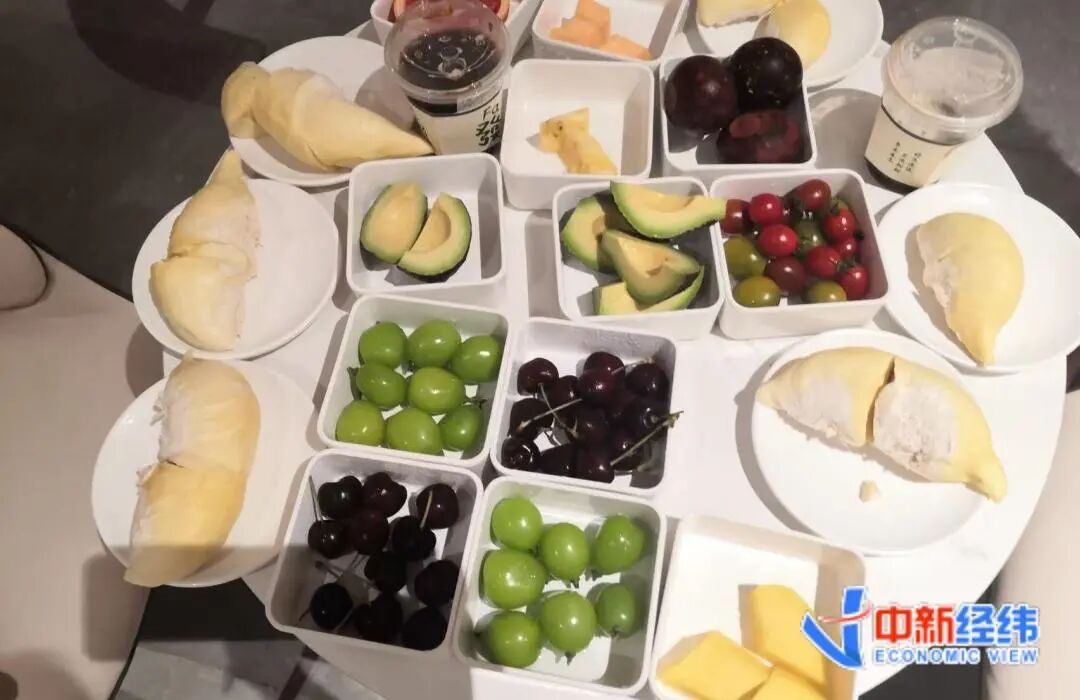
Core Insights - The trend of "bathing hot springs" is quietly rising among the younger demographic, particularly those born after 2000, who find these venues fulfilling their leisure and entertainment needs [1][2]. Industry Overview - Bathing centers, also known as hot spring venues, are becoming popular among young people as a new choice for relaxation and vacation, differing from traditional bathhouses by offering a comprehensive experience that includes dining, entertainment, and wellness services [2][3]. - Data from Meituan indicates that the search volume for "nearby bathing centers" increased by 113% year-on-year in January 2026, with a 63% increase for "bathing centers with buffet" [2]. Consumer Behavior - Young consumers, particularly those aged 20 to 35, represent 58% of the clientele at these venues, indicating a strong preference for such leisure activities among this age group [2][7]. - The average cost for a simple bathing experience ranges from 100 to 200 yuan per person, while more comprehensive experiences including massages and dining can cost between 400 to 500 yuan [3][6]. Venue Features - Modern bathing centers are multi-functional, offering various entertainment options such as gaming, karaoke, and dining, which cater to the diverse interests of young patrons [4][6]. - Facilities often include high-end amenities like a self-service fruit bar and premium personal care products, enhancing the overall experience [4][6]. Market Growth - The popularity of these venues is reflected in significant increases in customer traffic, with some hotels reporting double the visitor numbers during peak holiday periods compared to the previous year [9]. - Keywords related to group gatherings and team-building activities have seen a 230% increase in search volume, indicating a growing trend for social events at these centers [7]. Social Dynamics - The rise in popularity of hot spring venues among young people is influenced by changing social dynamics, where there is a desire for low-barrier, real-life interaction spaces amidst high-pressure work environments and digital socialization [10]. - Young consumers are increasingly valuing experiences that provide emotional satisfaction and a sense of reward, making these venues appealing for their affordability and the relaxation they offer compared to short trips or high-end hotels [10].