电网大脑

Search documents
绿电"更聪明"!储能化身"充电宝" 电网有"超级大脑"
Yang Shi Xin Wen· 2025-12-08 04:49
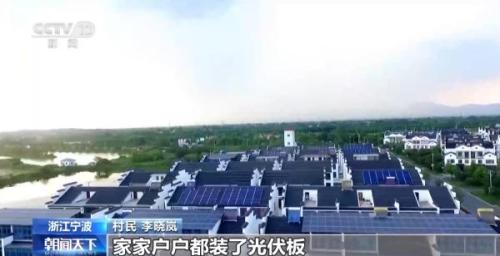
Core Insights - The increasing reliance on electricity is evident, with summer electricity consumption surpassing 1 trillion kilowatt-hours for two consecutive months, driven by the rise of electric vehicles and AI technology [1] - The shift towards renewable energy sources, particularly solar power, is transforming electricity usage patterns across households and industries [4][5] Group 1: Renewable Energy Adoption - Many households and businesses are installing solar panels, with some companies generating their own electricity and selling excess back to the grid, leading to cost savings and environmental benefits [4] - In Ningbo, known as "Zhejiang's Solar City," 10% of electricity consumed by factories comes from solar power, indicating a significant integration of renewable energy into industrial operations [5] Group 2: Technological Advancements - The implementation of smart technologies in factories has resulted in over 10% growth in electricity consumption, with a substantial portion sourced from solar energy [7] - New weather prediction devices have been installed to enhance the reliability of solar power generation, allowing for better forecasting of energy output based on weather conditions [8] Group 3: Energy Management Systems - A virtual power plant system has been developed to optimize the use of distributed solar energy across multiple users, enhancing resource efficiency [9] - The integration of AI in energy management has improved the accuracy of solar power output predictions to over 96%, allowing for better planning and load management [8] Group 4: Storage and Stability - The new energy storage capacity in China has surpassed 100 million kilowatts, increasing over 30 times since the end of the 13th Five-Year Plan, which positions the country as a leader in global energy storage [13] - The development of intelligent energy systems that combine weather data and consumption patterns has led to a significant increase in the predictability of renewable energy output, exceeding 90% in some regions [13] Group 5: Broader Implications - The transition to renewable energy is not only stabilizing electricity supply but also expanding into new areas such as hydrogen production, with around 100 renewable energy hydrogen projects established nationwide [13] - The evolution of green electricity is creating a more stable, cleaner, and smarter energy system that is reshaping consumption patterns across various sectors, from households to industries [13]