短视频恶意营销乱象

Search documents
短视频恶意营销四大乱象
Xin Jing Bao· 2025-04-17 10:21
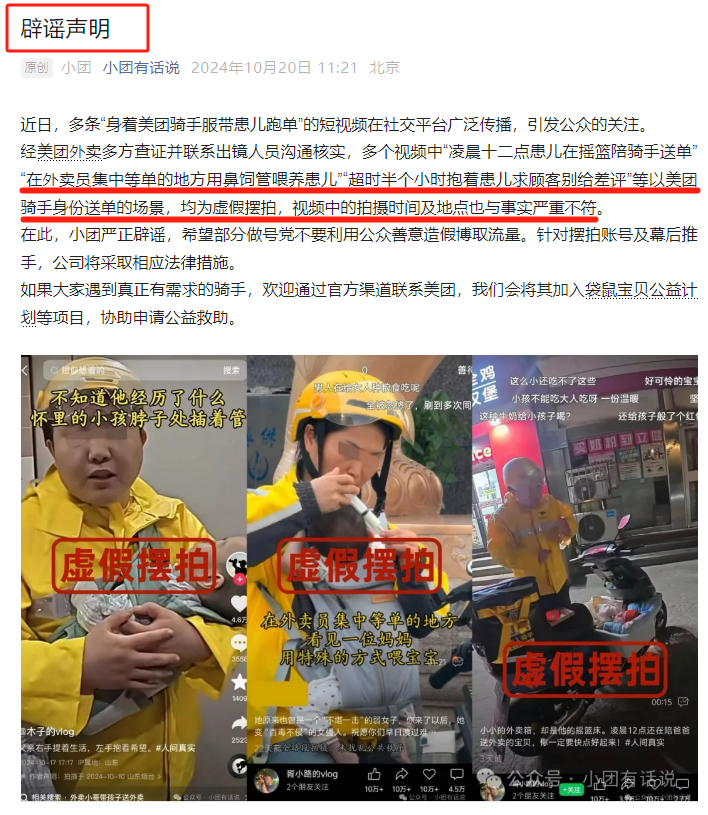
Core Viewpoint - The short video industry is facing severe issues with malicious marketing practices, prompting the Central Cyberspace Administration of China to initiate a three-month special action to address these problems starting April 15 [2][24]. Group 1: Types of Malicious Marketing Practices - **Malicious False Staging**: This includes creating tragic personas, impersonating new employment groups, and fabricating "suffering" narratives to exploit public goodwill for profit [3][4]. - **Spreading False Information**: Techniques such as "cutting and splicing," "taking out of context," and "identity impersonation" are used to create misleading information, exacerbating social anxiety and conflict [8][9][10][11]. - **Violation of Public Morality**: Tactics like outdoor harassment and lowbrow content creation are employed to attract attention, often leading to legal repercussions for the creators involved [16][17]. Group 2: Specific Cases and Consequences - **High-Profile Cases**: Notable incidents include the "Liangshan series live-streaming sales case," where influencers fabricated stories to sell counterfeit agricultural products, resulting in significant legal consequences [8][24]. - **Regulatory Response**: The Central Cyberspace Administration's initiative reflects a commitment to combat these issues through enhanced regulation and public awareness [24]. - **Impact on User Trust**: The prevalence of these malicious practices has led to a decline in user trust and a call for improved content quality and creator accountability within the short video ecosystem [24].