社会封闭理论

Search documents
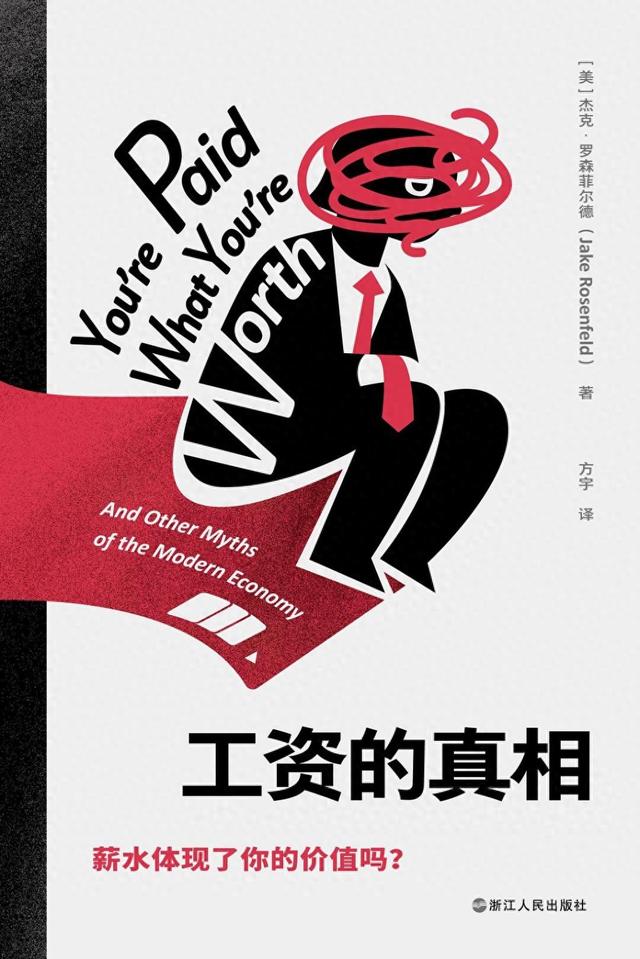
王翔|“按劳分配”的迷思:工资单背后的隐秘脚注
Xin Lang Cai Jing· 2026-02-06 06:35
Core Insights - The book "The Truth About Wages" by Jake Rosenfeld challenges the myth that wages are determined solely by productivity and market value, arguing instead that they are shaped by power dynamics, historical inertia, organizational mimicry, and fairness considerations [2][5][9] Group 1: Wage Determination Factors - Power is identified as the primary driver of wage determination, with historical power struggles influencing income claims within organizations [3][4] - Inertia refers to the tendency for established wage levels to persist, often leaving new employees with little room for negotiation [3][6] - Mimicry indicates that organizations often set wages based on industry standards, leading to wage levels that reflect collective behavior rather than individual productivity [3][7] - Fairness involves employees' perceptions of wage equity, which can lead to dissatisfaction and resistance if perceived as unfair [3][8] Group 2: Historical Context and Trends - Since the late 1970s, U.S. labor productivity has increased by approximately 70%, while the real wages of average workers have only risen by less than 15%, indicating a disconnect between productivity and wage growth [5][9] - The decline of union density since the 1980s has weakened collective bargaining power, contributing to stagnant wages and rising income inequality [5][9] - The average hourly wage for union members is over 10% higher than for non-members, highlighting the importance of collective bargaining in wage determination [5][9] Group 3: Implications of Wage Dynamics - The analysis reveals a significant gap between the traditional view of wages as market-driven and the reality shaped by social and institutional factors [5][9] - The book provides a framework for understanding contemporary labor market phenomena, such as wage stagnation and the decline of worker bargaining power [9][20] - Rosenfeld's insights suggest that addressing wage inequality requires recognizing the influence of power dynamics, institutional inertia, and social norms [21][24]