私募骗局

Search documents
透视私募骗局:谁做局?谁入局?谁出局?
Shang Hai Zheng Quan Bao· 2026-02-01 18:33
Core Viewpoint - The recent penalties and legal actions against private equity firms like Dingyifeng and Ruifengda highlight a significant trust crisis within the private equity industry, emphasizing the need for investors to adopt a rational perspective to identify risks and for managers to build sustainable trust systems [1][5][10] Group 1: Legal Actions and Penalties - Dingyifeng's core members have been prosecuted for fraud, marking a significant event in the private equity sector [2][4] - Ruifengda and its associated entities were fined 41 million yuan, the heaviest penalty in private equity history, due to fraudulent practices [5] - Youce Investment and its responsible parties were fined over 30 million yuan for misappropriating nearly 1 billion yuan of fund assets [5] Group 2: Investor Behavior and Market Dynamics - Investors are drawn to high-yield, guaranteed return products due to a scarcity of available assets, leading to vulnerability to fraudulent schemes [6][7] - The asset management industry has seen a decline in trust products, with trust assets dropping from 26.25 trillion yuan in 2017 to 20.49 trillion yuan in 2020, a decrease of 21.94% [7] - The allure of guaranteed returns has led investors to overlook risks, as seen in the case of Ruifengda, where investors were attracted by a 12% fixed return [7] Group 3: Industry Trends and Regulatory Environment - The private equity industry is undergoing a phase of consolidation, with a decrease in the number of registered fund managers while the total fund management scale continues to grow [9] - Regulatory scrutiny has intensified, with numerous private equity firms facing penalties for violations, indicating a trend towards stricter compliance [9][10] - The importance of compliance is emphasized as a lifeline for private equity firms, with breaches leading to loss of investor trust and potential penalties [10]
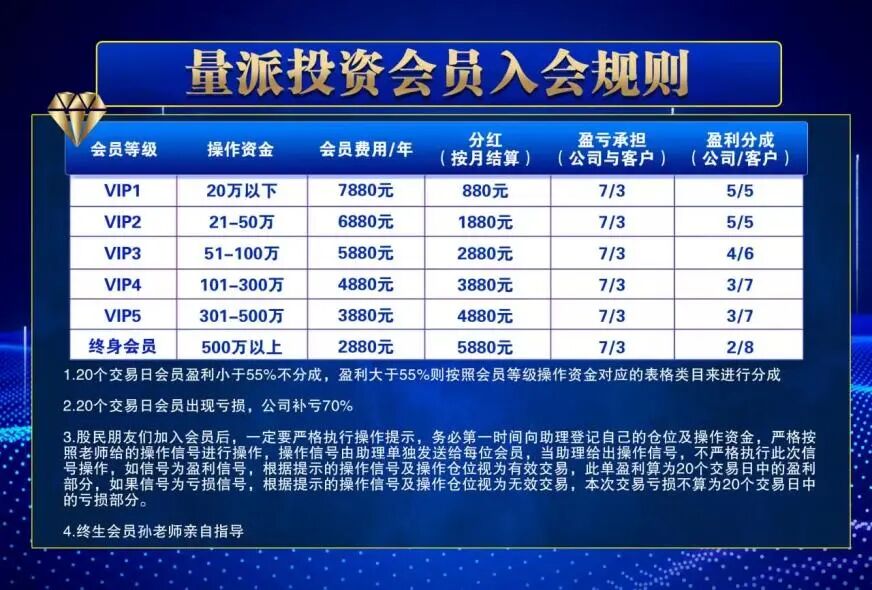
“终身会员2880元一年,指导500万资金”?起底“冒牌私募”骗局
Zhong Guo Ji Jin Bao· 2025-12-15 12:11
Core Viewpoint - The article exposes a fraudulent scheme involving fake private equity memberships that lure investors with promises of high returns and loss guarantees, leading to significant financial losses for victims [1][3]. Group 1: Fraudulent Membership Structure - The fraudulent scheme offers six membership levels, ranging from VIP1 to lifetime membership, with corresponding operational funds from 200,000 to over 5 million yuan, and annual fees from 2,880 to 7,880 yuan [2]. - Members are promised monthly dividends ranging from 880 to 5,880 yuan, a 70% loss coverage by the company, and profit sharing where clients can receive up to 80% of profits [2]. Group 2: Scam Operation Process - The first step involves "precise contact and identity disguise," where fraudsters impersonate employees of well-known private equity firms to lure investors into downloading a specific chat software [4]. - Once trust is established, victims are induced to pay membership fees or service charges under various pretenses, with amounts ranging from tens of thousands to hundreds of thousands of yuan [4]. - The final step involves directing investors to download a counterfeit trading app and transferring large sums of money to fraudulent accounts, after which victims lose access to the app and all contacts [4]. Group 3: Deceptive Practices - Fraudsters create highly convincing fake websites, apps, and contracts, using stolen corporate information and mimicking the branding of legitimate financial institutions to mislead investors [5][6][8]. - The counterfeit contracts include detailed forged information such as business registration details and even personal identifiers like fingerprints, making them appear legitimate [8]. Group 4: Industry Response and Prevention - Companies like量派投资 have issued statements clarifying that they have not developed any trading software or conducted illegal activities, urging investors to be cautious and avoid engaging with suspicious platforms [3][13]. - The industry emphasizes the importance of verifying the legitimacy of private equity firms and their offerings, advising investors to use regulated channels for investment and to protect their personal information [13].