科技助力旅游

Search documents
8000多亿春节旅游账单,藏着团圆新解法
Xin Lang Cai Jing· 2026-02-26 04:14
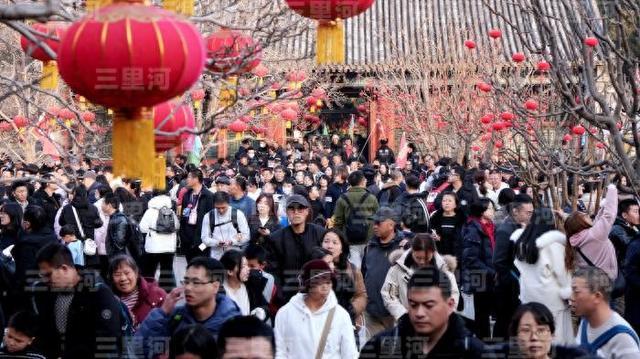
Core Insights - The article highlights a shift in family reunion dynamics during the Chinese New Year, with younger generations bringing their parents to urban areas for celebrations, reflecting a new consumer trend in China [1][3]. Group 1: Travel and Tourism Trends - During the Spring Festival holiday, a record 596 million domestic trips were made, with total spending reaching 803.48 billion yuan, marking a significant increase from the previous year [3]. - There is a notable rise in "reverse reunions," where older travelers (60 years and above) flying to major cities increased by over 10% compared to last year, indicating a change in intergenerational relationships [3][4]. - Long-distance travel preferences have surged, with a 70% increase in travelers choosing destinations over 300 kilometers away, and hotel bookings in certain rural areas seeing over 400% growth [4]. Group 2: International Tourism and Cultural Exchange - China's visa-free policy expansion to Canada and the UK has led to a 400% increase in flight bookings from foreign tourists during the Spring Festival, showcasing the growing appeal of Chinese cultural experiences [5][6]. - The unique cultural aspects of the Chinese New Year, such as traditional festivals and local crafts, have become significant attractions for international visitors [6]. Group 3: Technology Integration in Tourism - The integration of technology, such as AI-driven experiences and interactive tourism, has enhanced the travel experience during the Spring Festival, with AI-related bookings increasing by over 800% compared to pre-holiday levels [7][8]. - The use of technology is seen as a way to modernize traditional celebrations, making them more accessible and engaging for younger audiences [8]. Group 4: Economic Implications - The strong performance of the tourism sector during the Spring Festival serves as an important indicator of domestic demand and consumer resilience in China [9][10]. - The overall spending during the holiday reflects a collective aspiration for a better quality of life among the 1.4 billion population, contributing to economic growth [11][12].