租用消费行业数智化升级

Search documents
人人租赴港IPO “非标品”治理难题如何破解?
Nan Fang Du Shi Bao· 2026-02-15 04:06
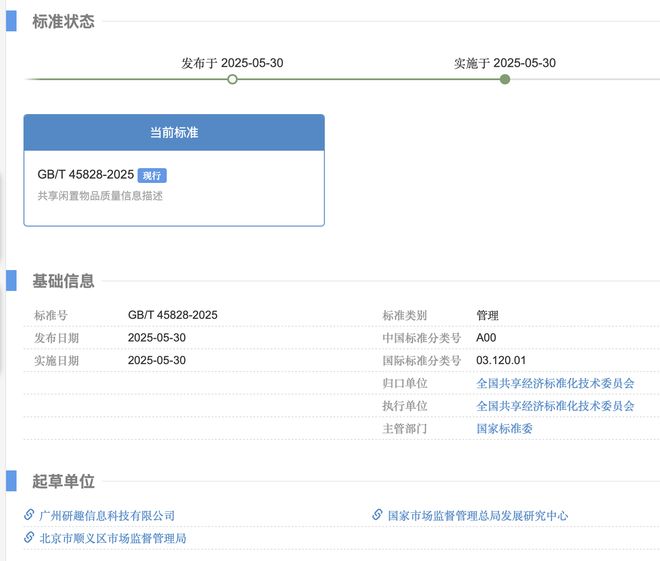
Core Viewpoint - The company, Guangzhou Yanqu Information Technology Co., Ltd., is aiming to become the "first stock of rental consumption" by submitting its IPO application for Hong Kong stocks, showcasing significant growth in user base and revenue despite facing challenges related to quality control and consumer trust in the rental industry [1][2]. Group 1: Company Overview - As of September 30, 2025, the rental platform has over 20,000 registered merchants and more than 61.2 million registered users [1]. - Revenue increased from 294 million yuan in 2023 to 421 million yuan in 2024, representing a year-on-year growth of over 43% [1]. - In the first three quarters of 2025, the company reported revenue of 356 million yuan, continuing a year-on-year growth of 18.72% [1]. Group 2: Industry Challenges - The rental consumption industry faces issues such as "blind box" rentals and malicious damage claims, which stem from the non-standard nature of rental products [1][3]. - Consumers often lack the technical knowledge to assess the quality of rented items, making them vulnerable to misleading practices by merchants [2][3]. Group 3: Quality Control Measures - The company has implemented a centralized warehouse for quality control, ensuring that high-value items undergo standardized inspections before being rented out [4][5]. - A "face-to-face activation" process has been introduced, requiring users to verify the condition of items in the presence of delivery personnel [5]. - To combat disputes over damage claims, the platform has established a "Little Judge" mechanism, encouraging users to record videos during returns and requiring merchants to provide evidence of item condition [6]. Group 4: Regulatory Compliance and Standards - The company has collaborated with regulatory bodies to draft standards for quality information and management practices in the rental industry, contributing to a governance framework [4]. - A multi-level mechanism for merchant governance has been established, including strict verification of business licenses and regular checks for compliance [8]. Group 5: Consumer Protection Initiatives - The platform has introduced a "first compensation" mechanism to address consumer concerns, ensuring that users are compensated for issues like damage claims and privacy violations [8][10]. - Users are encouraged to report suspicious activities related to rental fraud, with financial rewards for providing valid leads [12]. Group 6: Privacy and Data Security - The company has addressed previous privacy concerns by implementing measures to protect user data and providing clear options for users to withdraw consent for data collection [13][14]. - All second-hand mobile phone orders are now shipped directly from the platform's warehouse to prevent unauthorized software installations by merchants [15]. Group 7: Future Outlook - The rental consumption industry is expected to evolve as it navigates the integration of traditional credit systems with new non-standard transaction models, with the company's IPO serving as a critical moment for internal control and external scrutiny [16].

人人租赴港IPO,“非标品”治理难题如何破解?
Nan Fang Du Shi Bao· 2026-02-15 03:30
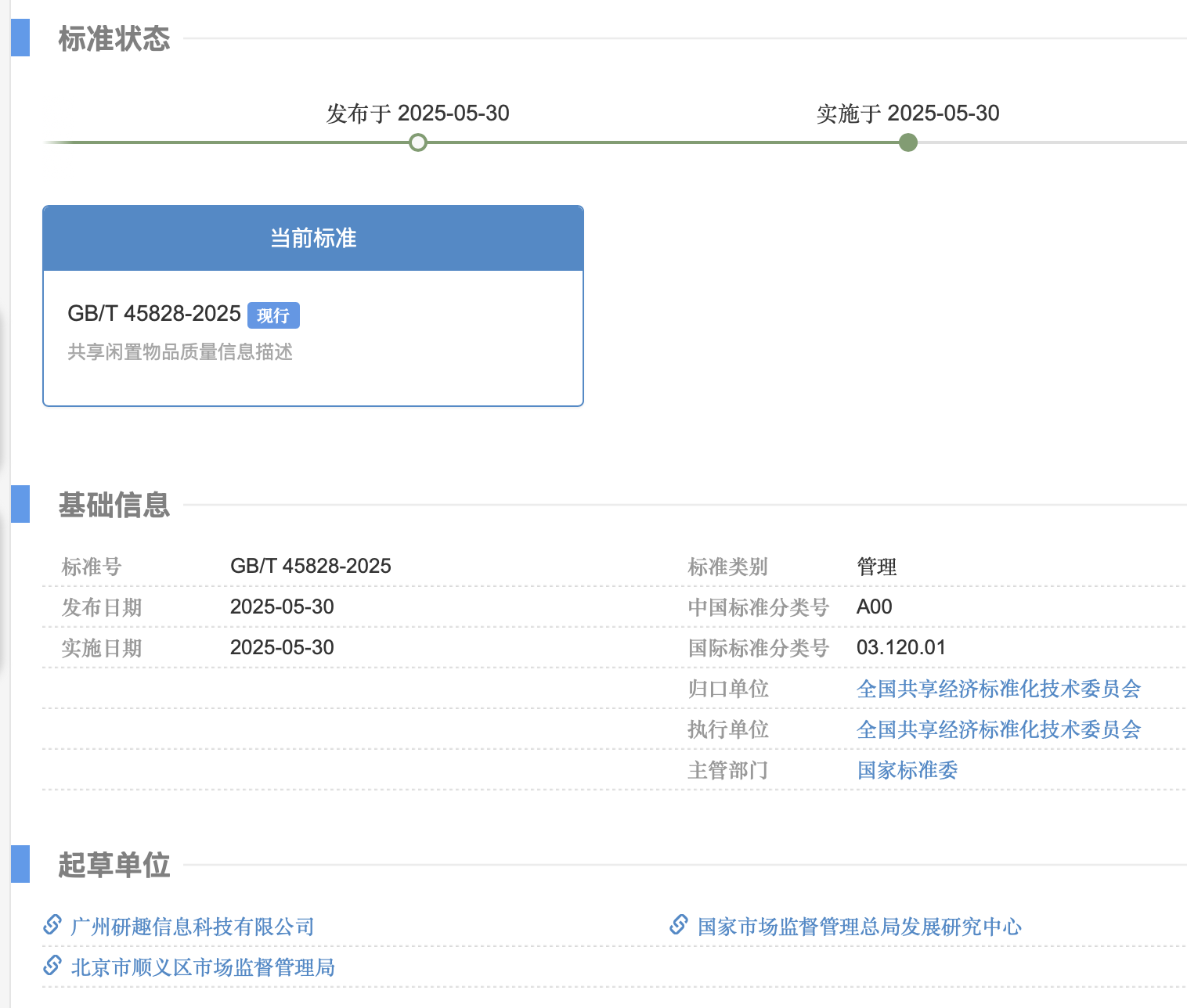
Core Viewpoint - The company, Guangzhou Yanqu Information Technology Co., Ltd., is aiming to become the first publicly listed company in the rental consumption sector by submitting its IPO application in Hong Kong, showcasing significant growth in user base and revenue despite facing consumer concerns regarding quality and service issues [1][2]. Group 1: Company Overview - As of September 30, 2025, the rental platform has over 20,000 registered merchants and more than 61.2 million registered users [1]. - Revenue increased from 294 million yuan to 421 million yuan from 2023 to 2024, representing a growth of over 43% year-on-year; in the first three quarters of 2025, revenue reached 356 million yuan, continuing to grow by 18.72% year-on-year [1]. Group 2: Industry Challenges - The rental consumption industry faces significant challenges due to the "non-standard" nature of rental products, which complicates quality assessment for consumers [2][3]. - Issues such as "blind box" rentals and malicious damage claims from merchants have raised consumer distrust, similar to early e-commerce quality concerns [2]. Group 3: Quality Control Measures - The company has implemented a centralized warehouse for quality control, ensuring that high-value items undergo standardized inspections before being rented out [5][6]. - A "face-to-face activation" process has been introduced, requiring users to verify the condition of items in the presence of delivery personnel [5]. Group 4: Consumer Protection Initiatives - The platform has established a "small judge" mechanism to address disputes over damage claims, requiring merchants to provide evidence of item condition before and after rental [6]. - A "first compensation" policy has been introduced to enhance platform accountability, ensuring users are compensated for issues like price hikes or privacy violations [8]. Group 5: Regulatory Framework - New standards and regulations, such as GB/T 45828-2025, are being developed to create a governance framework for the rental consumption industry [4][5]. - The company is actively working to align its operations with these emerging standards to enhance consumer trust and operational transparency [16]. Group 6: Future Outlook - The rental consumption sector is expected to evolve as it navigates the integration of traditional credit systems with new non-standard transaction models, with the company’s IPO serving as a critical moment for self-assessment and industry scrutiny [15][16].