
美伊紧张关系升级

Search documents
伊朗官员称伊武装力量已进入全面戒备状态
Xin Lang Cai Jing· 2026-01-25 14:08
Group 1 - Iran's armed forces have entered a state of full alert in response to enemy military deployments, with the military ready to retaliate if provoked [2] - Iran is monitoring all hostile movements in the region and has stated that its counterattack capabilities will exceed enemy expectations, covering interests from the Strait of Hormuz to U.S. assets in the area [2] - The Strait of Hormuz is highlighted as a key geopolitical asset for Iran, allowing it to manage and mitigate various external military provocations [2] Group 2 - Iranian officials dismiss U.S. threats as psychological warfare, asserting that the U.S. and Israel's rhetoric is aimed at masking their unwillingness to engage in direct conflict [2] - A warning is issued that any strategic miscalculation by the U.S. could lead to devastating strikes on its military bases and Israel, serving as an unprecedented lesson [2] - Iran's parliament has firmly rejected negotiation proposals from U.S. President Trump, citing a lack of trust due to past U.S. actions during negotiations [2][3]

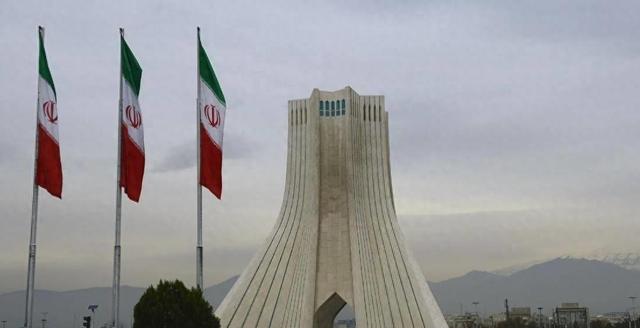
伊朗军方表示已准备好“回应敌人的冒险行为”
Xin Lang Cai Jing· 2026-01-24 15:26
Core Viewpoint - Iran's Islamic Revolutionary Guard Corps (IRGC) is prepared to respond decisively to any aggressive actions from enemies, indicating heightened military readiness compared to previous conflicts [1] Group 1: Military Preparedness - The IRGC's deputy commander, Vahidi, stated that Iran is more prepared than during the "12-day war" and is ready to respond in a way that would make adversaries regret their actions [1] - The U.S. is reportedly deploying additional military resources to the Middle East, including at least one aircraft carrier and more missile defense systems, amid escalating tensions with Iran [1] Group 2: Political Context - Vahidi accused the U.S. and its allies of attempting to disintegrate Iran, undermine its unity, and establish control over the country [1] - He emphasized that all anti-government groups in Iran are dependent on foreign enemies and lack independence, highlighting collaboration between separatists and enemy intelligence agencies [1]