美欧分歧

Search documents
米兰冬奥嘘声震场!美国的脸,丢在了全世界面前
Xin Lang Cai Jing· 2026-02-08 11:20
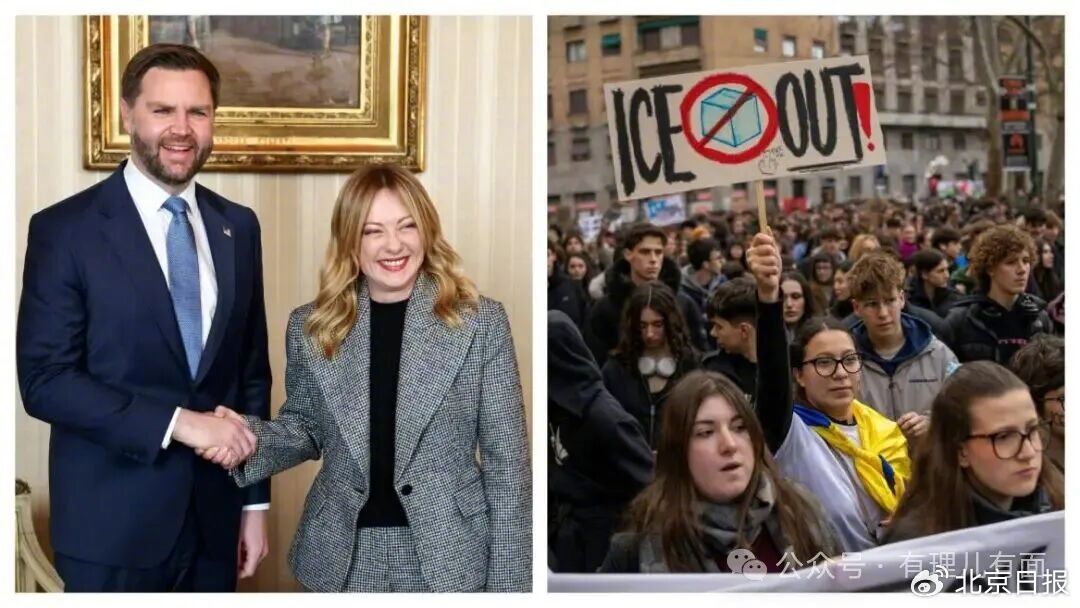
Core Viewpoint - The article highlights the backlash against the United States during the Milan Winter Olympics, particularly directed at the ICE (Immigration and Customs Enforcement) agency, following the recent killings of two innocent citizens by its officers, which has sparked global outrage and protests against American law enforcement practices [1][3][12]. Group 1: Incident Overview - The article details two tragic incidents involving ICE, where both victims, Renee Good and Alex Preti, were killed by officers under questionable circumstances, raising serious concerns about the agency's use of force [5][7]. - Public opinion polls indicate that a significant portion of the American population views ICE's actions as excessive, with 60% believing in excessive enforcement and 56% deeming the use of force in these incidents as inappropriate [7]. Group 2: International Response - The presence of ICE personnel at the Olympics has been met with widespread criticism, with Italian officials and citizens expressing their disapproval, viewing it as a violation of Italy's sovereignty and safety standards [9][18]. - Protests erupted in Milan, with demonstrators calling for the removal of ICE from the event, reflecting a broader discontent with American policies and actions abroad [16][20]. Group 3: Implications for US-EU Relations - The backlash against the US during the Olympics underscores a growing rift between the US and Europe regarding law enforcement philosophies and respect for national sovereignty [18][20]. - The article suggests that the incidents and subsequent protests may signify a turning point in US-EU relations, as European nations increasingly resist American dominance and assert their own standards for law enforcement [20][22].

专家分析美乌欧会晤:仍有分歧,欧洲“撑腰”存在多重考量
Nan Fang Du Shi Bao· 2025-08-20 12:58
Core Viewpoint - The recent meeting between US President Trump and Ukrainian President Zelensky, along with several European leaders, aimed to address security guarantees, territorial issues, and ceasefire agreements, but progress on core issues remains limited [1][2]. Group 1: Meeting Atmosphere and Dynamics - The atmosphere of the meeting was notably more cordial compared to the previous encounter in February, with Zelensky emphasizing a desire for diplomatic solutions to end the war [2]. - Zelensky's delegation included prominent European leaders, indicating strong European support for Ukraine amid concerns over Russian threats [2][3]. Group 2: European Involvement and Concerns - European nations view the Ukraine crisis as a significant threat to their own security, leading to a unified stance in supporting Ukraine, which is also influenced by public sentiment regarding democratic values [2]. - The meeting highlighted the complexities of US-European relations, with Germany's Chancellor Merkel advocating for a ceasefire, contrasting with Trump's skepticism about its necessity [5]. Group 3: Key Issues for Ukraine - Ukraine's core demands include maintaining territorial integrity, establishing security mechanisms post-ceasefire, and clarifying its status in any future peace agreements, including potential NATO membership [4]. - The divergence in perspectives between the US and Europe on how to approach the Ukraine crisis reflects deeper issues of trust and strategic alignment [5].
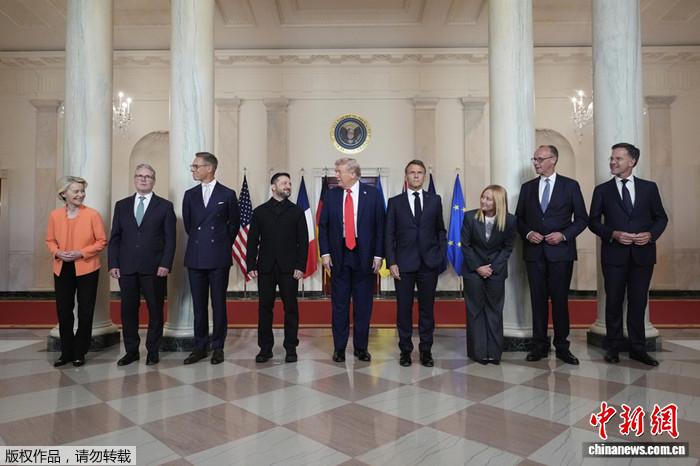
美欧乌峰会上,这张合影耐人寻味!一文读懂背后三大关键问题|国际识局
Zhong Guo Xin Wen Wang· 2025-08-19 19:43
Group 1 - The meeting on August 18 at the White House involved leaders from the US, Europe, and Ukraine, with a focus on cooperation and coordination regarding the Ukraine crisis [3][5][10] - The atmosphere was generally positive, with a notable contrast in expressions among leaders, indicating underlying tensions and differing priorities between the US and European leaders [8][9][13] - Trump's approach during the meeting highlighted a shift in US policy, emphasizing direct negotiations without preconditions for ceasefire, which raised concerns among European leaders about their interests being safeguarded [10][13] Group 2 - The meeting included a significant moment where Trump spoke with Russian President Putin, effectively turning the US-EU-Ukraine meeting into a four-party discussion, which may lead to increased interaction on security issues [5][15] - European leaders expressed urgency in addressing the Ukraine crisis, viewing it as critical to European security, and sought to reinforce their influence with Trump [13][15] - The possibility of a future meeting between the Russian and Ukrainian presidents was mentioned, with Russia maintaining a flexible stance on negotiations, indicating that while challenges exist, dialogue remains a possibility [14][15]