老万科精神

Search documents
万科已经死了
Xin Lang Cai Jing· 2025-12-05 13:13
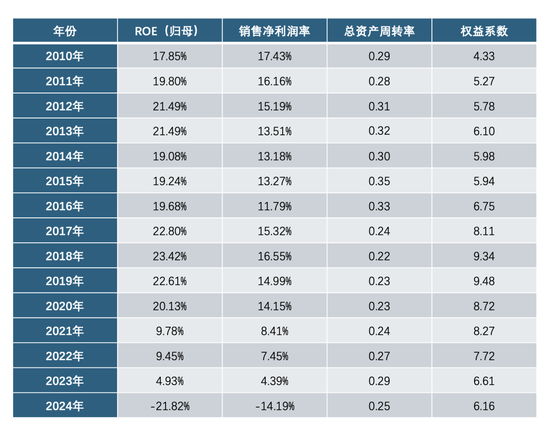
Core Viewpoint - The article discusses the decline of Vanke, reflecting on its past ideals and the transformation of its corporate culture, suggesting that the essence of "Old Vanke" has been lost due to a shift towards profit maximization and financial metrics over product quality and service [1][11]. Group 1: Historical Context and Transformation - Vanke was once characterized by a philosophy that did not prioritize excessive profits, with a focus on collaboration and sharing with partners [3][15]. - The company’s values included treating customers, employees, partners, and shareholders well, exemplified by practices such as the CEO drinking pool water to demonstrate quality [16]. - The shift began around 2010 when Vanke started emphasizing financial metrics and operational efficiency, leading to a decline in its core values and product quality [7][18]. Group 2: Financial Metrics and Performance - Key financial metrics from 2010 to 2024 show a decline in Return on Equity (ROE) from 17.85% in 2010 to -21.82% in 2024, indicating deteriorating financial health [20]. - The sales net profit margin has remained around 15% post-2010, significantly lower than competitors like China Overseas Land [18][19]. - The total asset turnover ratio was high at 0.28-0.35 until 2017, but the focus on financial metrics has led to a weakening of professional expertise within the company [9][18]. Group 3: Talent and Cultural Shift - The departure of key talent and industry experts post-2010 has resulted in a decline in product innovation and quality, undermining Vanke's ability to serve its customers effectively [9][21]. - The introduction of profit-sharing schemes in 2014 marked a significant departure from Vanke's founding principles, leading to a perception of the company as prioritizing profit over its original values [10][21]. - The article concludes that Vanke has lost its foundational ideals, transforming from a company focused on community and quality into one driven by profit motives, which has led to its current struggles [11][21].