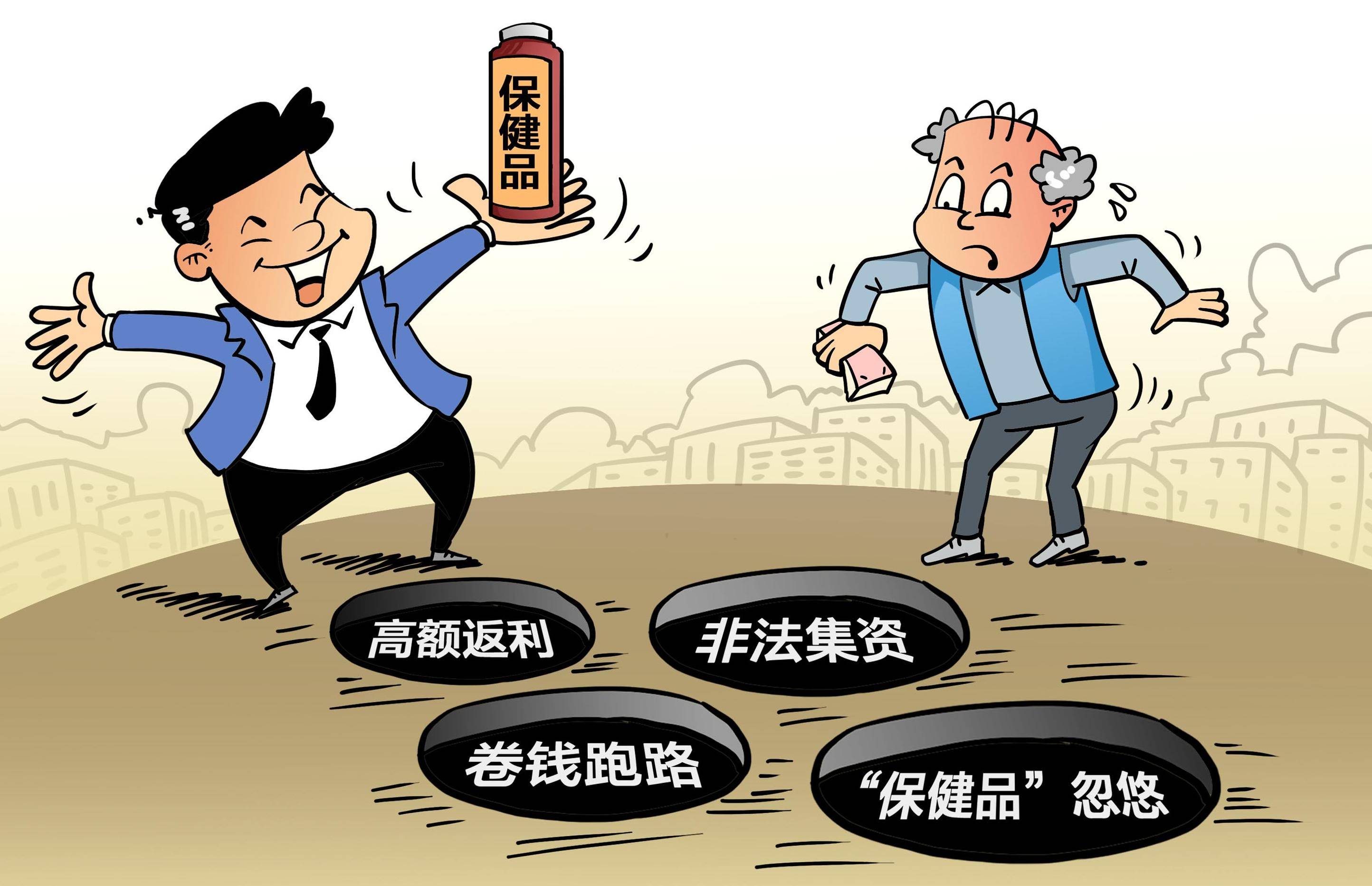
老年人消费陷阱

Search documents
“红血球都干枯了”?老人为治病在“华清池”花费200多万……
Xin Lang Cai Jing· 2025-12-30 04:37
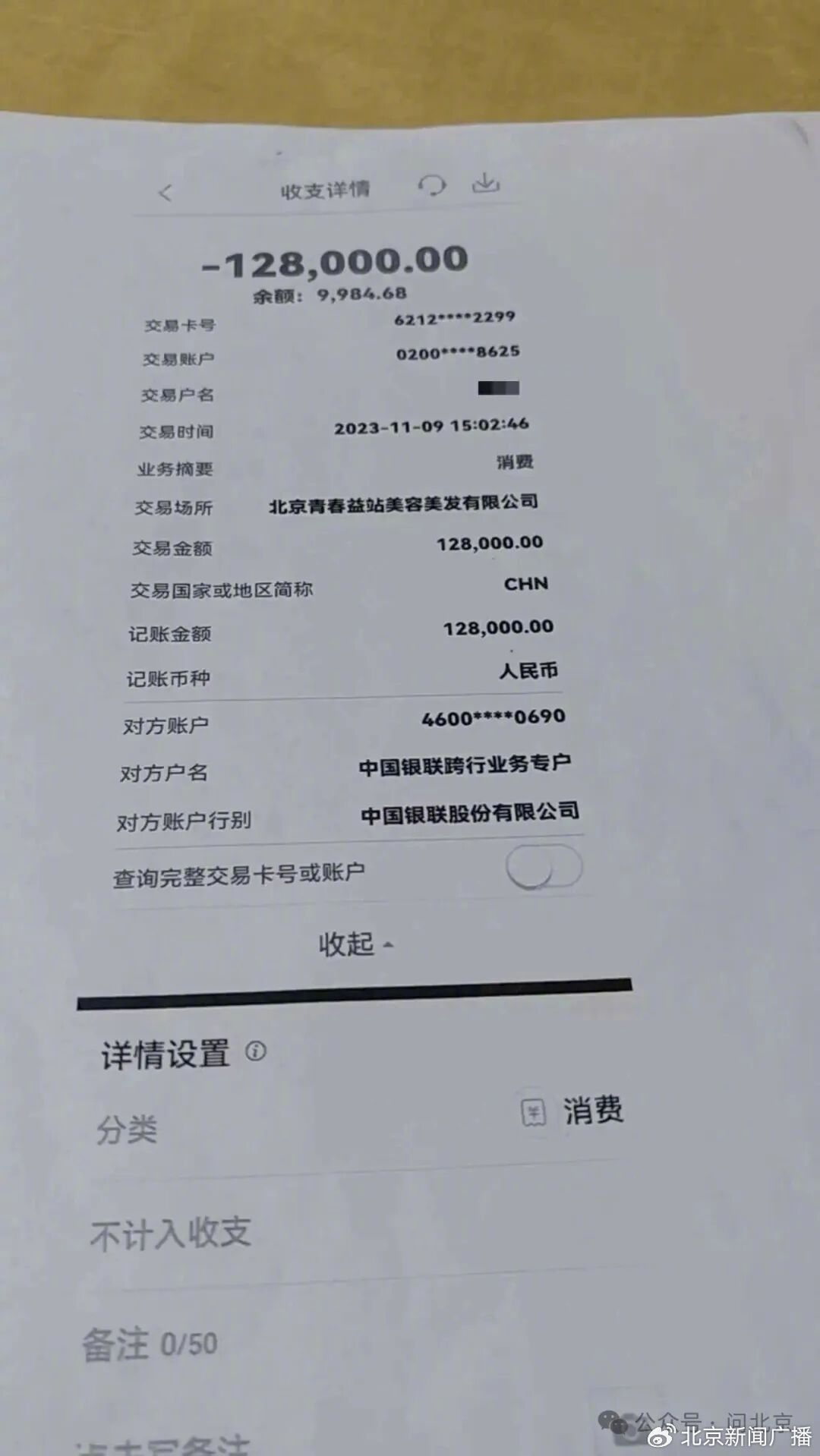
Core Viewpoint - A significant case has emerged involving an elderly couple in Beijing who allegedly spent over 2 million yuan at a massage shop named "Huaqingchi Foot Care," raising concerns about potential consumer fraud and misleading advertising practices [1][19]. Group 1: Consumer Spending and Allegations - The elderly couple reportedly spent more than 2 million yuan over three years at "Huaqingchi Foot Care," which the daughter, Ms. Guo, finds incomprehensible given the nature of the services [1][19]. - Ms. Guo's father claimed that the treatments were intended to cure their ailments, with one treatment allegedly costing at least 400,000 yuan [2][19]. - The couple purchased various products, including "Cangni Gao" and "Zhi Cui Jiang Dan You," some of which were financed through loans, indicating potential exploitation [7][19]. Group 2: Business Response and Investigation - The shop's current manager stated that they only took over the business in August and that the couple had stored over 200,000 yuan, with only 70,000 yuan refunded after negotiations [9][19]. - The shop claimed no responsibility for the previous transactions and services provided to the elderly couple, raising questions about accountability [9][19]. Group 3: Industry Practices and Consumer Protection - The investigation revealed that the payment records for the couple's transactions were made to six different companies, suggesting a lack of transparency and possible regulatory evasion within the industry [20][19]. - The existence of multiple variations of the "Huaqingchi" brand and unclear definitions of "franchise," "direct," and "chain" operations may indicate a broader issue of consumer protection and regulatory oversight in the health and wellness sector [20][19].

ATFX:警惕“免费清洗”骗局!老年人消费陷阱揭秘
Sou Hu Cai Jing· 2025-05-26 11:41
Core Viewpoint - The article highlights the prevalence of scams targeting the elderly, particularly the "free cleaning" scam, which exploits their trust and leads to significant financial losses and emotional distress [1][6][11] Summary by Sections Incident Overview: Traps Behind Free Cleaning - Numerous complaints have emerged from elderly consumers who fell victim to the "free cleaning" scam, where fraudsters offer free cleaning services but end up inducing the elderly to purchase expensive cleaning products [2][6] - One victim reported spending 30,000 yuan on over 400 bottles of cleaning agents, which would take 35 years to use at a rate of one bottle per month [2][6] - The scam employs emotional manipulation and false advertising, selling low-cost cleaning agents at inflated prices under the guise of "special products" [2][10] Scam Analysis: Tactics of Fraudsters - Common tactics include offering free services to gain trust, emotional manipulation, and exaggerated claims about product necessity [5][10] - Fraudsters attract elderly individuals by promoting free services, then use emotional appeals and false claims to sell cleaning agents at high prices [10] Case Warnings: Real Tragedies and Painful Lessons - Case 1: An elderly person spent 30,000 yuan on 400 bottles of cleaning agents, realizing the deception only after family intervention [10] - Case 2: Another elderly victim was manipulated into purchasing cleaning agents through emotional appeals, believing they were getting a good deal [10] Prevention Suggestions: How Elderly Can Avoid Scams - Elderly individuals should remain vigilant and skeptical of free services, verify information through legitimate channels, and make rational purchasing decisions [9][10] - Seeking assistance from family or community members can help prevent emotional manipulation and poor decision-making [10] Social Governance: Protecting Elderly Rights - Communities and relevant departments should enhance education and awareness among the elderly regarding common scams and prevention methods [9][10] - Market regulatory bodies need to strengthen oversight and crack down on fraudulent practices targeting the elderly [10]