自然写作

Search documents
森林里吹来绿色的风
Xin Lang Cai Jing· 2026-02-20 21:44
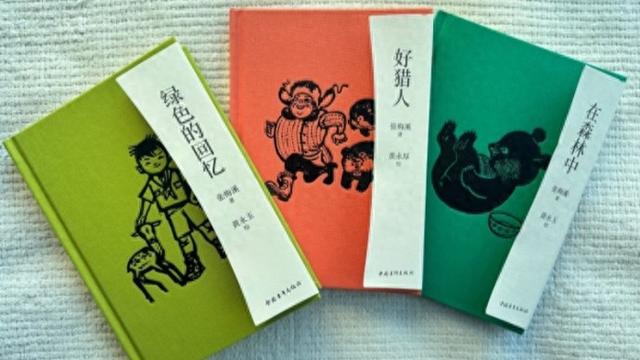
Core Viewpoint - The article highlights the significance of Zhang Meixi's "Forest Trilogy," which is being reissued by China Youth Publishing House in December 2025, emphasizing its literary and artistic value, as well as its connection to nature and personal experiences [3][6]. Group 1: Overview of the "Forest Trilogy" - The "Forest Trilogy" consists of three unique literary works published in the 1960s, which have been cherished by readers for decades [3]. - The new edition includes three books along with three related refrigerator magnets, appealing to contemporary aesthetics [3]. - The trilogy immerses readers in the beautiful forests of Daxing'anling, introducing various characters such as hunters, forest guards, lumberjacks, and local elders, while also depicting the experiences of city dwellers who moved to the forest [3][6]. Group 2: Artistic Contributions - The illustrations for the trilogy are created by Huang Yongyu and his brother Huang Yonghou, featuring a blend of artistic styles that enhance the reading experience [6]. - Huang Yongyu's woodcuts are noted for their decorative charm and spiritual vitality, with some illustrations capturing dynamic and poetic scenes reminiscent of cinema [6]. Group 3: Concept of "Nature Writing" - The article discusses the concept of "nature writing," which focuses on nature as a central theme, citing historical examples from Chinese literature [7]. - Unlike traditional "nature writing," Zhang Meixi's work is rooted in her personal experiences of living in the forest, providing a unique and heartfelt narrative that resonates with readers [7].

伟大的作品,常是在承认“无法写作”的焦虑中写下的 | 一周新书推荐
Xin Lang Cai Jing· 2026-01-19 03:07
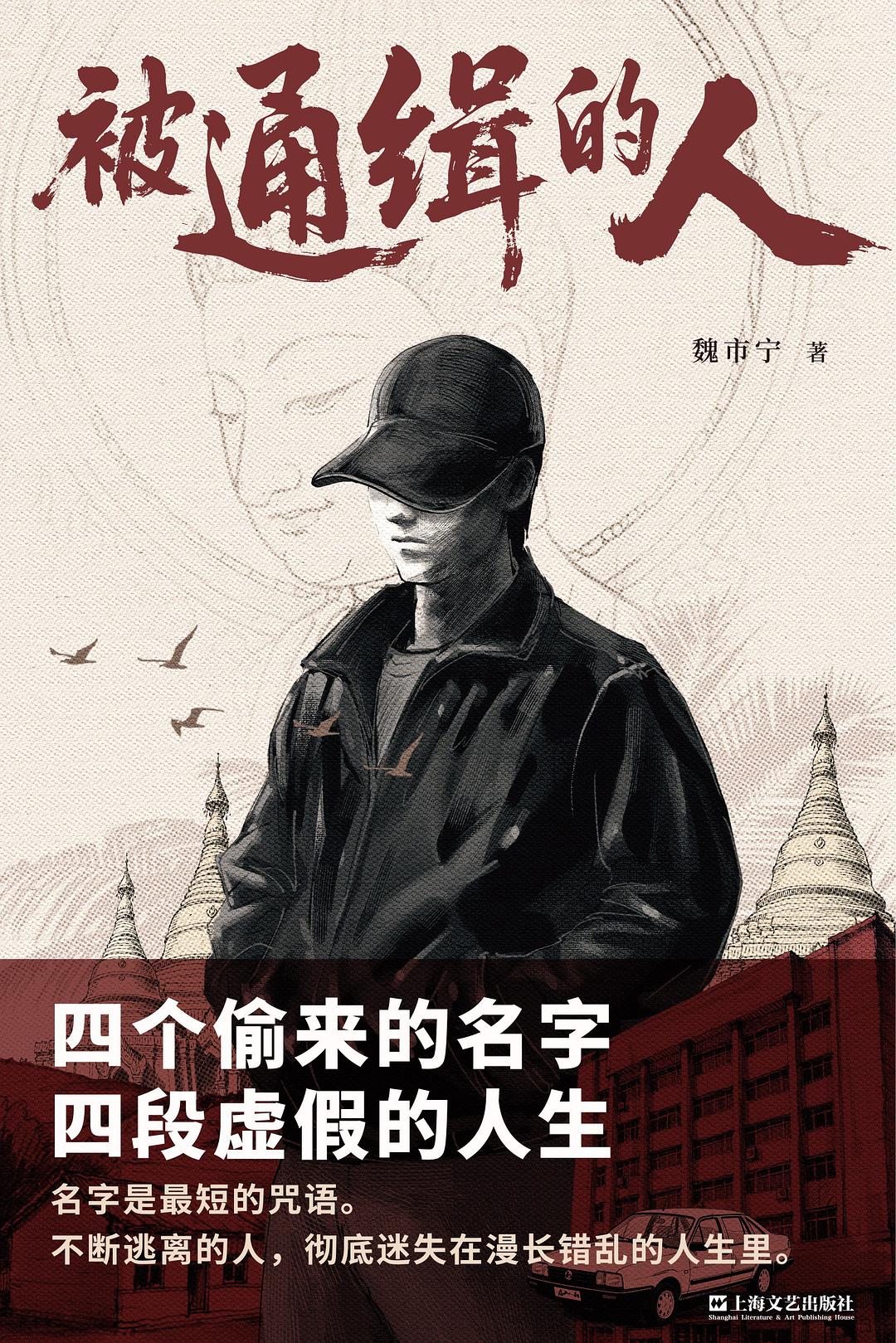
Group 1 - The article discusses the novel "The Wanted Man" by Wei Shining, which portrays the life of a young man named Qiu Yuan who becomes a fugitive after accidentally killing someone. The narrative explores his various identities and experiences across different locations in China during the 1990s, highlighting the stark contrasts in lifestyles and societal conditions between urban and rural areas [4][3]. - The author describes the novel as a depiction of "a group of unfortunate individuals gathering repeatedly," filled with the complexities of human relationships and societal realities [4][3]. Group 2 - The article mentions the publication of "The Collected Works of Chen Yingzhen (1970-1980s)," edited by Professor Zhao Gang, which includes essays that critique the political oppression, economic distortions, and cultural colonialism in Taiwan during that era. It reflects Chen's evolution from a passionate youth to a more introspective writer facing societal challenges [6][7]. - The work emphasizes the role of intellectuals in advocating for truth and human dignity, showcasing Chen's commitment to addressing significant societal issues through his writings [6][7].