文学批评

Search documents
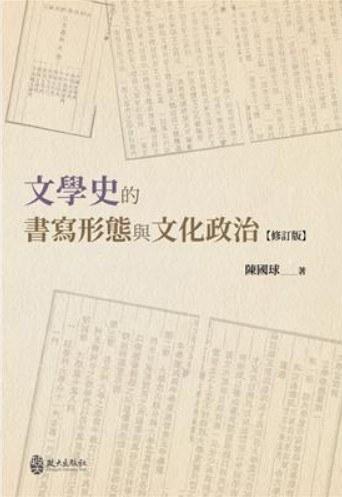
与一本书的久别重逢:再读《文学史的书写形态与文化政治》
Xin Lang Cai Jing· 2026-02-28 01:54
Core Viewpoint - The revised edition of "The Writing Forms of Literary History and Cultural Politics" by Guo Qiu Shi will be published in early 2025, reflecting on the evolution of literary history writing in China and its cultural implications over the past two decades [12]. Summary by Sections Overview of the Book - The book consists of eight chapters discussing various cases of literary history writing, including works by Lin Chuan-jia, Hu Shi, and Liu Cun-ren, among others, and explores the cultural and political contexts surrounding these writings [1][2]. Historical Context and Development - The first four chapters trace the development of literary history from the late Qing Dynasty to the 1940s, focusing on the transformation of literary values and the emergence of new literary forms during the 1920s and 1930s [2]. - The discussion extends to the literary histories written in Hong Kong during the 1950s and 1970s, highlighting the differing approaches of Liu Cun-ren and Si Ma Chang-feng [2]. Author's Academic Journey - The author reflects on his academic journey and the influence of various scholars and discussions that shaped his understanding of literary criticism and history, particularly during his doctoral studies [3][4]. Recent Developments and Contributions - The revised edition includes new appendices and discussions on the role of literary criticism and education in modern Chinese literature, emphasizing the importance of literary history in understanding cultural identity [12][13]. - The book also features interviews and essays that explore the significance of literary traditions and their evolution in contemporary contexts [12][14]. Focus on Hong Kong Literature - Guo Qiu Shi has a strong focus on Hong Kong literature, with significant contributions to the field, including the publication of "The History of Lyricism in Hong Kong," which won the 10th Hong Kong Book Award [9][10]. Research Initiatives - The establishment of the Chinese Literature and Culture Research Center at the Hong Kong Education University has facilitated the compilation of the "Hong Kong Literary Series," which documents the literary history of Hong Kong [10].

古籍新书·2025年冬季|中华传统饮食语汇通释
Xin Lang Cai Jing· 2026-02-13 11:07
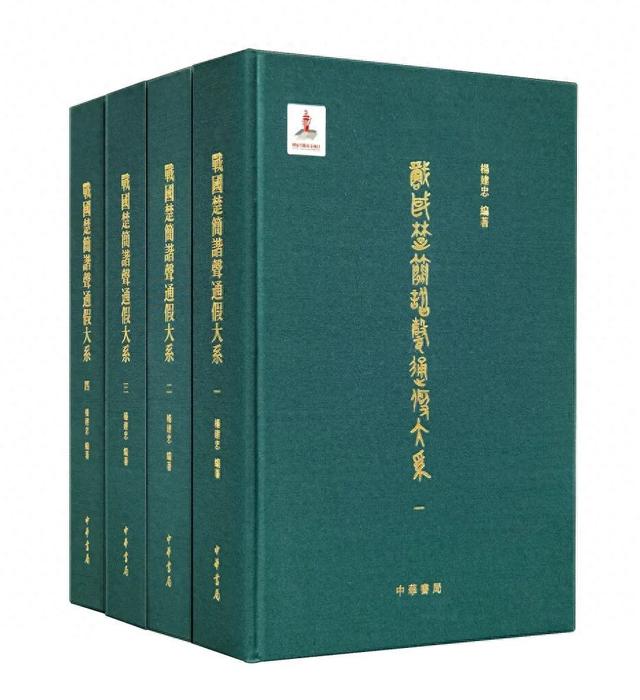
Group 1 - The book "Zhan Guo Chu Jian Xie Sheng Tong Jia Da Xi" compiles 5,102 characters and 4,236 homophonic characters from the Warring States period, providing a systematic framework for understanding the evolution of Chinese characters and language during that era [2] - "Zhonghua Yicang: Volume Three: Wenbing Juan" includes 93 representative texts on warm diseases, marking significant developments in traditional Chinese medicine and the establishment of the Wenbing school [4] - "Song Yuan Pianwen Piping Wenxian Jizuan" documents the flourishing of parallel prose criticism during the Song and Yuan dynasties, highlighting its interaction with literary theory and criticism [6] Group 2 - "Zhong Tang Yuan He Poetry in Japan" explores the transmission and acceptance of Middle Tang poetry in Japan, detailing various channels of cultural exchange and the evolution of Japanese interpretations of these works [8] - "Xuzhushou Ji" presents a comprehensive collection of works by Xu Shou, showcasing the literary contributions of a prominent Qing dynasty scholar and his influence on regional literature [31] - "Chengyu Diqu Traffic Historical Materials: 1911-1949" provides a detailed account of transportation developments in the Chengyu region during the late Qing and Republican periods, emphasizing the impact of these changes on regional economy and society [33]
同情,依然是同情
Xin Lang Cai Jing· 2026-02-01 06:56
Group 1 - The core perspective of the article revolves around the concept of "sympathy," which is not only the author's view on literature but also reflects their life and value outlook [2][3] - The author emphasizes that the book "From Gap to Thoroughfare" serves as a reflection of the author's own life experiences, particularly within the context of the "post-70s" generation [3] - The dialogue format used by the author, as noted by Li Er, is a method of literary criticism that aims to evoke sympathy and understanding, providing a comforting response to the literary and societal questions of the time [3] Group 2 - The author highlights the importance of a "righteous" attitude towards literature, which includes being fair, empathetic, and slightly conservative while discussing new issues within a fundamental tradition [2] - The questions posed by the author to various interviewees reflect her own confusions and doubts, allowing the interviewees to validate their perspectives and engage in self-defense [2] - The article suggests that literature is currently in a horizontal "gap" between the virtual and real worlds, indicating a broader existential challenge faced by writers today [3]
清欢自在书间
Xin Lang Cai Jing· 2026-01-30 11:27
Group 1 - The article discusses three notable books published in the second half of 2025, highlighting their significance in literature and cultural heritage [2][4][5] - "Ling Ling Seven Strings: A Study of Zha Fuxi" is a commemorative collection marking the 130th anniversary of the renowned guqin master Zha Fuxi, emphasizing his contributions to the preservation and transmission of guqin music [2][3] - "My Heart Desires a More Adventurous Life" by W. Somerset Maugham is described as a reflective work summarizing his life and writing, emphasizing the importance of travel in his creative process and personal growth [4] - "Paris Review: Non-Fiction Writer Interviews" features interviews with seventeen non-fiction writers, discussing the craft of writing and the distinction between non-fiction and fiction, with insights from Pulitzer Prize winners [5][6] Group 2 - The book on Zha Fuxi includes analyses of his guqin artistry compared to contemporaries, highlighting his unique style that emphasizes emotional depth and philosophical content [3] - Maugham's reflections reveal his belief in the necessity of travel for writers, as it allows for the collection of diverse experiences and materials that enrich their narratives [4] - The interviews in the "Paris Review" provide valuable perspectives on literary criticism, emphasizing the transient nature of critical power and the long-term evaluation of artistic works [5][6]
伟大的作品,常是在承认“无法写作”的焦虑中写下的 | 一周新书推荐
Xin Lang Cai Jing· 2026-01-19 03:07
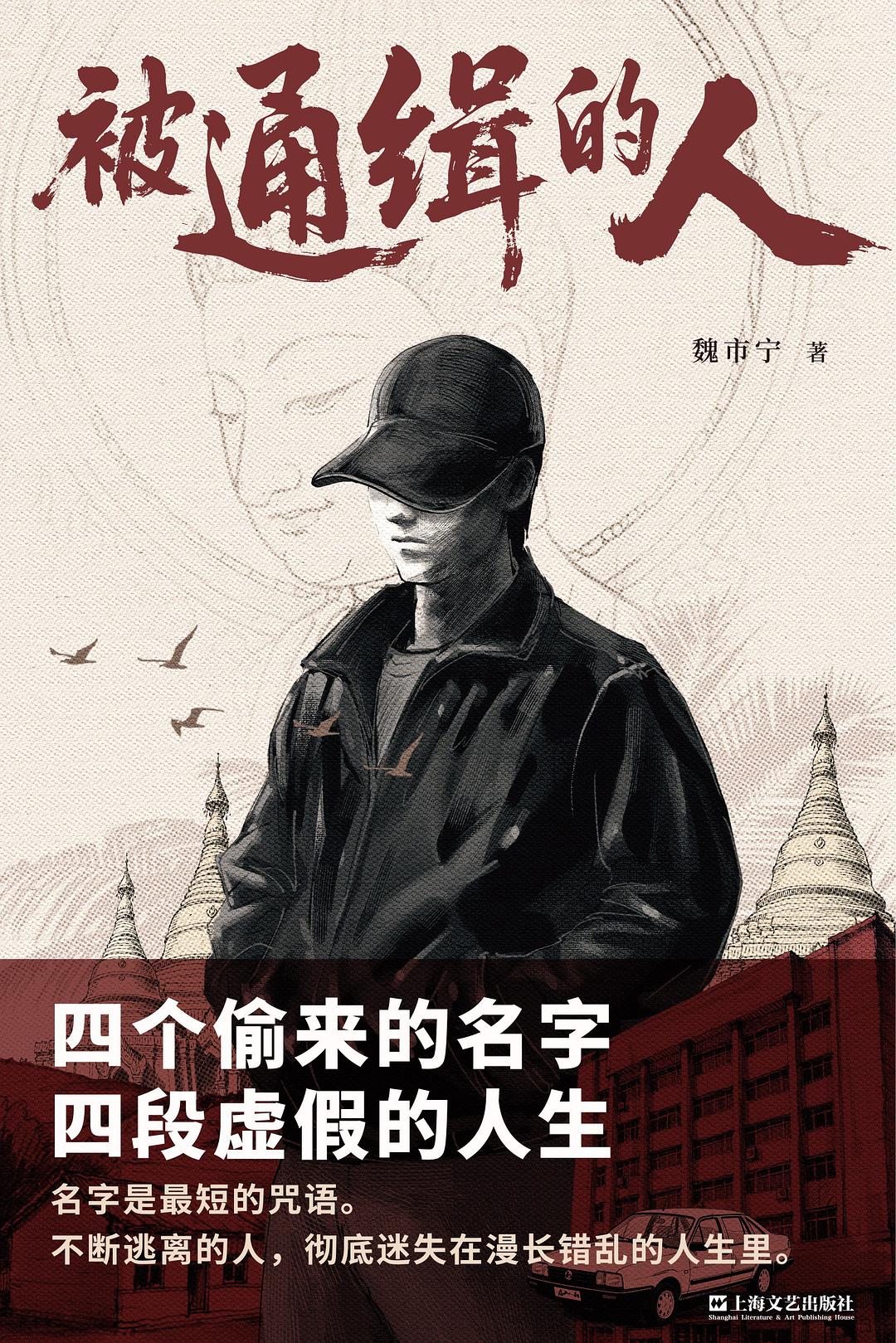
Group 1 - The article discusses the novel "The Wanted Man" by Wei Shining, which portrays the life of a young man named Qiu Yuan who becomes a fugitive after accidentally killing someone. The narrative explores his various identities and experiences across different locations in China during the 1990s, highlighting the stark contrasts in lifestyles and societal conditions between urban and rural areas [4][3]. - The author describes the novel as a depiction of "a group of unfortunate individuals gathering repeatedly," filled with the complexities of human relationships and societal realities [4][3]. Group 2 - The article mentions the publication of "The Collected Works of Chen Yingzhen (1970-1980s)," edited by Professor Zhao Gang, which includes essays that critique the political oppression, economic distortions, and cultural colonialism in Taiwan during that era. It reflects Chen's evolution from a passionate youth to a more introspective writer facing societal challenges [6][7]. - The work emphasizes the role of intellectuals in advocating for truth and human dignity, showcasing Chen's commitment to addressing significant societal issues through his writings [6][7].
在文学的窄门相遇:阿来与丛治辰对谈文学批评的星光与体温
Xin Lang Cai Jing· 2026-01-10 16:23
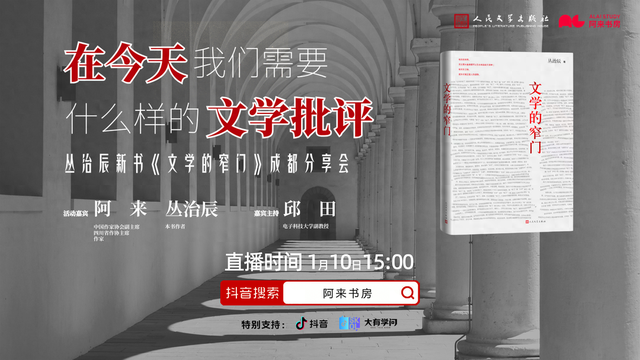
Core Viewpoint - The discussion between critic Cong Zhichen and writer A Lai emphasizes the importance of literary criticism in understanding and appreciating literature, suggesting that every "narrow door" in literature leads to a broader understanding of the world [5][7]. Group 1: Literary Criticism and Its Role - Cong Zhichen's new literary criticism collection "The Narrow Door of Literature" showcases his analyses of various texts, highlighting how literature opens up to the world [5]. - A Lai connects Cong's work to André Gide's "The Narrow Door," arguing that every narrow door leads to a chaotic yet interesting world, encouraging readers to embrace these doors for broader experiences [5]. - The essence of artistic appreciation is described as a subjective aesthetic recreation, where individual readers derive different pleasures from their reading experiences [5][8]. Group 2: The Relationship Between Criticism and Creation - A Lai asserts that true literary criticism reflects and constructs literature, indicating that many critiques do not meet the standards of genuine criticism [7]. - Cong Zhichen believes that literary criticism should first uncover the secrets of the text before discovering values beyond literature, making "The Narrow Door of Literature" a practical application of his literary views [5][7]. - The dialogue emphasizes that literary criticism is a two-way interaction between readers and authors, where critics interpret and express their perspectives while engaging with the authors' voices [11]. Group 3: Aesthetic Values in Literature - A Lai stresses the importance of aesthetic ability in literary criticism, suggesting that the current literary criticism system lacks this essential quality [12]. - The conversation highlights the need to defend the aesthetic and purity of language in an era dominated by consumerism, where language tends to become mundane [12].
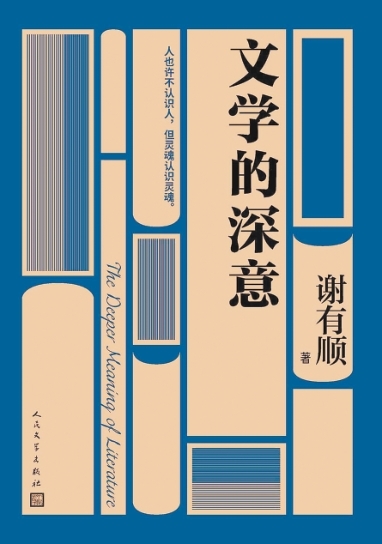
“但灵魂认识灵魂”
Ren Min Ri Bao· 2025-06-19 21:51
Group 1 - The core viewpoint of the article emphasizes the significance of literature as a reflection of the soul and the importance of connecting with human existence and spirit in modern literary criticism [1][4] - The author, Xie Youshun, has made substantial contributions to contemporary literary criticism over the past 30 years, with works that resonate with both writers and readers [1][4] - "The Deep Meaning of Literature" is presented as a culmination of the author's recent literary thoughts, continuing and expanding upon his literary perspectives [1][3] Group 2 - The author asserts that the essence of literary style is thought, and that a writer's personality, taste, and ideas significantly influence the value of their style [2] - The work discusses the relationship between style and thought, suggesting that literary self-awareness is intrinsically linked to stylistic self-awareness [2] - The author calls for modern novels to engage in self-reflection and rationality, urging a reconstruction of the relationship between the self and the world [2]