
自融自担

Search documents
号称年化4%-5%的“低风险”金融产品突然爆雷,众多投资者踩雷,规模上百亿
Mei Ri Jing Ji Xin Wen· 2025-12-13 06:46
Core Viewpoint - A financial product redemption crisis has emerged involving Zhejiang Zhejin Asset Operation Co., Ltd. and its affiliated company, Xiangyuan Holdings Group, leading to significant investor losses and liquidity issues due to the underlying real estate assets' poor performance [1][3][10]. Group 1: Crisis Overview - The crisis began on November 28, 2025, when multiple financial asset income rights products guaranteed by Xiangyuan Holdings failed to redeem as scheduled, affecting over 200 products with a total transaction scale exceeding 10 billion [1][3]. - The expected annual return of these "low-risk" products ranged from 4% to 5%, with underlying assets linked to Xiangyuan's real estate accounts receivable [1][8]. - As of December 5, 2025, Xiangyuan Holdings reported total assets of approximately 60 billion, covering 40 billion in liabilities, but faced a liquidity crisis due to 30 billion in unsold real estate assets and the cancellation of Zhejin Center's trading qualifications [1][10]. Group 2: Investor Reactions and Company Response - Investors expressed frustration over the lack of communication and clarity regarding redemption plans, with many reporting that their expected returns were not received within the promised timeframe [4][10]. - On December 6, 2025, a meeting was scheduled for investors at Xiangyuan's headquarters, but the location was changed, and no representatives were present to address concerns [4][10]. - By December 9, 2025, investors were informed that a special task force had been established to coordinate with local government for asset disposal, but no specific redemption plan had been provided [10][11]. Group 3: Company Background and Financial Health - Xiangyuan Holdings, led by Chairman Yu Faxiang, has a diverse portfolio including several publicly listed companies and real estate projects across multiple regions [6][22]. - The company has faced significant challenges in its real estate ventures, with many projects reported as stalled or underperforming, leading to its inclusion on a list of companies with ongoing overdue debts [12][22]. - As of December 2025, Xiangyuan Holdings had substantial pledges on its assets, including shares in its subsidiaries, indicating a precarious financial situation [22][23]. Group 4: Regulatory and Market Context - The Zhejin Center, as a trading service platform, has stated it does not bear any responsibility for the risks associated with the financial products, highlighting the regulatory challenges faced by such platforms [24][25]. - The Zhejiang provincial financial management authority announced the cancellation of Zhejin Center's financial asset trading qualifications, reflecting a broader trend of regulatory tightening on similar platforms [26][29]. - Legal experts have noted that the structure of the financial products involved in this crisis may constitute a form of self-financing that transfers internal risks to external investors, raising concerns about compliance and investor protection [28][29].

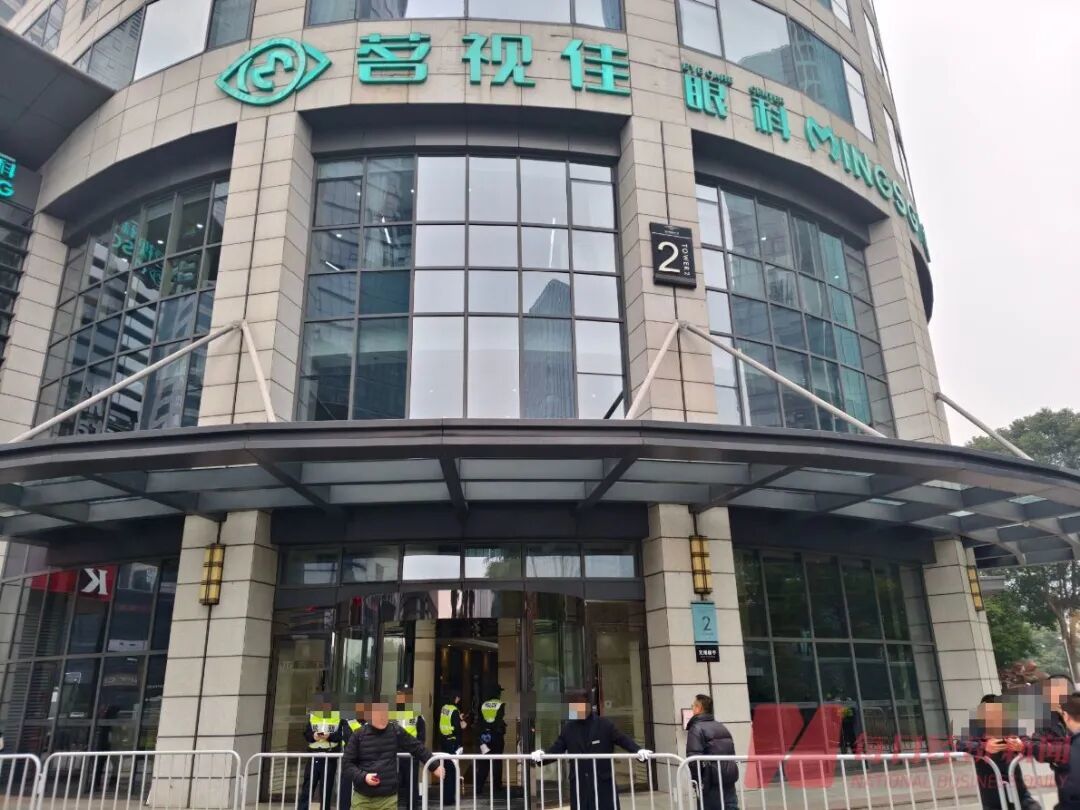
号称年化4%~5%的“低风险”金融产品突然爆雷,众多投资者“踩雷”,规模上百亿元!“祥源系”多地项目几近停工,背后浙商大佬陷危机
Mei Ri Jing Ji Xin Wen· 2025-12-13 06:31
Core Viewpoint - A financial product redemption crisis has emerged involving Zhejiang Zhijin Asset Operation Co., Ltd. and its affiliated company, Xiangyuan Holdings Group, with over 200 financial asset income rights products unable to meet redemption obligations, totaling over 10 billion yuan [1][3][11]. Group 1: Crisis Overview - The crisis began on November 28, 2025, when investors reported that expected returns were not credited as scheduled [3][11]. - The total scale of the pending redemption funds exceeds 10 billion yuan, with products maturing between December 2025 and April 2026 [1][3]. - The underlying assets of these products are primarily accounts receivable from various real estate projects associated with Xiangyuan Holdings [1][4]. Group 2: Company Financials - Xiangyuan Holdings has total assets of approximately 60 billion yuan, which can cover 40 billion yuan of total liabilities, but faces a liquidity crisis due to 30 billion yuan of unsold property value [1][3]. - The expected annualized return on the affected financial products ranges from 4% to 5% [1][8]. Group 3: Investor Response - Investors have expressed dissatisfaction with the handling of the crisis, as many have not received their expected returns within the promised timeframe [3][11]. - A communication meeting was held on December 11, 2025, where investors demanded a clear timeline for redemption and updates on asset recovery efforts [11][13]. Group 4: Regulatory and Market Context - The Zhejiang Financial Management Bureau announced the cancellation of Zhijin Center's financial asset trading qualifications, which has impacted its ability to facilitate redemptions [27][30]. - The crisis highlights the risks associated with non-standard financing arrangements and the concentration of risk within the same controlling entity [29][30]. Group 5: Company Assets and Liabilities - Xiangyuan Holdings has significant assets tied up in real estate projects, many of which are reportedly stalled or facing execution orders due to unpaid debts [16][23]. - The company has pledged a substantial portion of its shares in listed companies as collateral, indicating financial strain [24][26]. Group 6: Market Implications - The incident reflects broader challenges in the real estate sector, particularly for companies heavily reliant on financial products for liquidity [1][23]. - The situation may lead to increased scrutiny of similar financial asset trading platforms and their regulatory frameworks [27][30].
