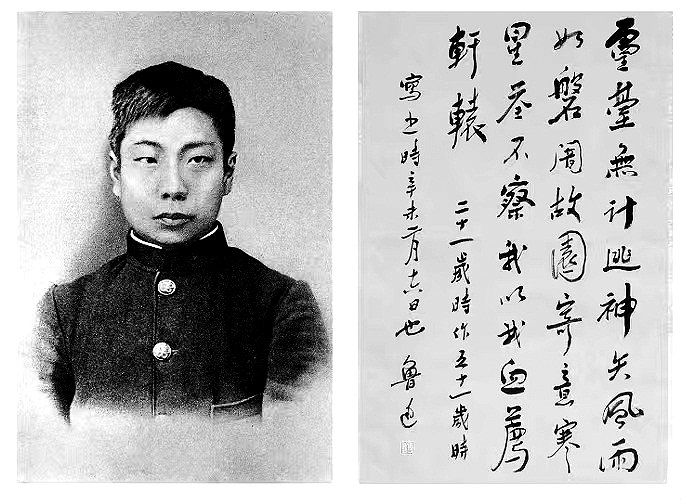
自题小照

Search documents
小照不“小”:中国早期名片格式照片
Xin Lang Cai Jing· 2026-01-15 20:26
Core Perspective - The article discusses the historical significance and cultural implications of the carte-de-visite (CDV) photographs in China, highlighting their evolution from a Western novelty to a locally adapted medium of social interaction and self-presentation [1][9]. Group 1: Historical Introduction - The carte-de-visite format was invented by French photographer André Disdéri in 1854, allowing multiple portraits to be taken at once, which contributed to the widespread popularity of photography in Europe and America [1]. - The format was introduced to China around 1860 during the Second Opium War, coinciding with the modernization process in the country [1][2]. Group 2: Cultural Adaptation - Early Chinese photography did not use the term "carte-de-visite," instead opting for local terms like "小照" (small photo), indicating a cultural adaptation of the format [1][3]. - The initial use of these photographs in China was distinct from the Western middle-class enthusiasm, as they were adopted by wealthy Chinese customers who incorporated local cultural elements into their portraits [3][4]. Group 3: Social Dynamics - Initially, common people viewed photography as a mysterious art, while the elite were cautious about publicizing their images, leading to a unique social dynamic where lower classes became the first to widely use portrait photography [4][6]. - The popularity of "小照" among lower social strata transformed it from an artistic medium into a social tool for self-presentation and interaction [4][10]. Group 4: Artistic Integration - The integration of photography with traditional Chinese painting practices led to a unique style where full-body and frontal portraits were preferred, reflecting cultural aesthetics [6][7]. - The use of hand-coloring techniques in photographs was embraced in China, as black and white images were associated with bad omens, further enhancing the cultural significance of these images [7][8]. Group 5: Elite Perspectives - The elite's relationship with photography was complex, as exemplified by Empress Dowager Cixi, who desired to control the dissemination of her images while also wanting to be seen publicly [8][10]. - This duality reflects a broader tension within the elite class regarding the desire for visibility versus the fear of losing control over their image [8]. Group 6: Social Potential and Transformation - The term "carte-de-visite" translates to "card of visit," emphasizing its role in social interactions, which was adapted in China to reflect a more personal and informal use [9][10]. - The evolution of "小照" from a luxury item to a standard portrait form illustrates a shift in societal values, where these images became tools for self-expression and social change, particularly during revolutionary movements [10][11].