艺术治疗

Search documents
跳舞何以疗愈身心?(育见·新专业)
Ren Min Ri Bao Hai Wai Ban· 2025-10-19 22:47
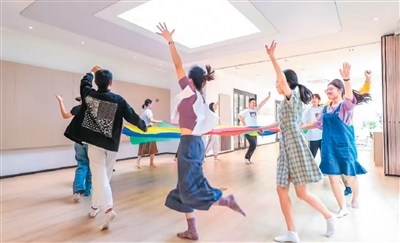
Core Insights - The article discusses the introduction of "Dance Therapy" as a new undergraduate major in China's higher education system, specifically at Nanjing Normal University of Special Education, which has begun enrollment this year [4][10]. Group 1: Dance Therapy Overview - Dance therapy is defined as an interdisciplinary field that integrates psychology, dance, medicine, and rehabilitation sciences, using body movement as a communication medium to help individuals regulate their psychological states and improve emotional well-being [7][12]. - Unlike traditional dance education, which focuses on movement aesthetics and standards, dance therapy emphasizes body expression in a non-judgmental environment, allowing individuals to communicate their emotions through movement [5][7]. Group 2: Target Groups and Applications - The target groups for dance therapy include individuals with autism, Alzheimer's disease, social anxiety, and those experiencing emotional distress, as well as the general public [7][12]. - Dance therapy has shown effectiveness in helping individuals release suppressed emotions and heal psychological trauma through techniques like improvisational movement and mirroring exercises [8][12]. Group 3: Educational Structure and Curriculum - The curriculum for the dance therapy program includes courses in psychology, dance anatomy, and dance therapy fundamentals, alongside practical skills in modern dance and improvisation [11][14]. - The program emphasizes the importance of self-awareness and personal experience in training, aiming to cultivate empathy and responsibility in students [11][14]. Group 4: Future Prospects and Demand - The demand for dance therapy professionals is expected to grow due to increasing social pressures and a heightened awareness of mental health, particularly in the context of special education [12][13]. - Graduates can find opportunities in various sectors, including healthcare, education, and community services, where they can assist individuals in emotional management and rehabilitation [13][14].