
节水优先战略

Search documents
《关于“亩产效益”评价企业差别化价格政策有关事项的通知》政策解读
Qi Lu Wan Bao· 2025-12-31 12:02
Group 1 - The core viewpoint of the article is the introduction of a differentiated pricing policy based on "output per mu" evaluation to enhance overall productivity and achieve a balance between economic quality and resource environmental benefits in Weihai's Wendeng District [1][3][4] Group 2 - The background of the notification is linked to the provincial government's directive on promoting water resource conservation and efficient utilization, which necessitated the formulation of this document [2] - The significance of the notification lies in its alignment with water pricing reforms, categorizing enterprises into four classes (A, B, C, D) based on their "output per mu" evaluation, which directly influences resource allocation and pricing strategies [3] - The policy aims to create a complete policy loop combining positive incentives and reverse pressure, enhancing water resource conservation through a dynamic system of differentiated pricing, evaluation, and incentives [3][4] Group 3 - The impact of the differentiated pricing policy is to establish an "economic pressure" mechanism on enterprises, guide government governance with precise strategies, and optimize resource allocation towards a market-oriented approach, ultimately driving the regional industrial structure towards high-quality and green intensive development [4]
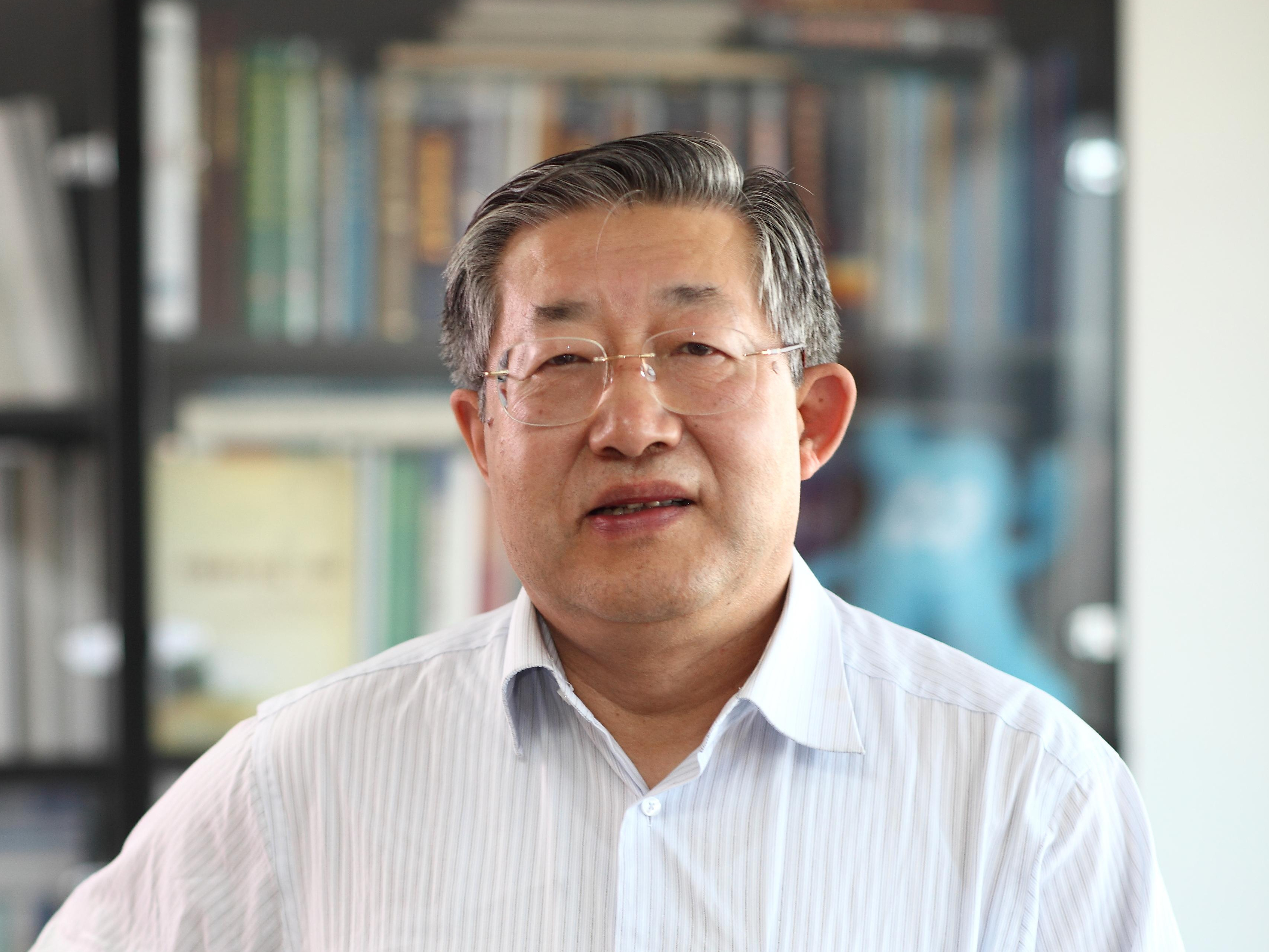
专访中国工程院院士王浩:以节水优先战略破解水资源瓶颈
Ke Ji Ri Bao· 2025-08-24 05:47
Core Insights - Water is essential for life, production, and ecology, with China facing severe water resource challenges despite having a total water volume of 2.8 trillion cubic meters [5][6] - Over 400 out of 655 cities in China experience water scarcity, with 110 cities facing severe shortages, particularly in the northern regions [5][6] - The disparity in water resource distribution between northern and southern China exacerbates the water scarcity issue, as the north holds only 19% of the country's water resources while supporting 46% of the population [5][6] Water Resource Status - China's per capita water resource availability ranks 106th globally, with agricultural water resource per acre being less than half of the world average [5] - The northern region, which occupies 44% of the population and 40% of the arable land, faces a critical water shortage due to the uneven distribution of water resources [5] Importance of Water Conservation - The demand for water is immense, driven by the needs of over 1.4 billion people, extensive agricultural land, and a large industrial sector [6][7] - Water conservation is not just a temporary measure but a fundamental solution for sustainable development [7] Strategies for Water Conservation - Implementing a "water conservation first" strategy is crucial, focusing on prioritizing water-saving measures in planning and management [8] - Key areas for this strategy include establishing a strong awareness of water scarcity, optimizing economic structures based on water availability, and prioritizing investments in water-saving technologies [8] Challenges in Water Conservation - Water conservation is a systemic issue that requires collaboration across various sectors, including industry, agriculture, and urban planning [9] - Current challenges include a lack of awareness, insufficient technology, inadequate infrastructure, and weak institutional mechanisms [9][10] Solutions for Systematic Issues - Focus on policies that enhance water efficiency, develop a pricing mechanism that encourages conservation, and establish standards for water-saving technologies [10] - Promote collaboration among government, enterprises, and the public to foster a collective effort in water conservation [10] Role of Reclaimed Water - The underutilization of reclaimed water is attributed to mismatches in supply and demand, weak infrastructure, and inadequate standards [11] - Addressing these issues is essential for improving the application of reclaimed water in various sectors [11] Public Awareness and Participation - Enhancing public awareness of water conservation is critical for sustainable water resource management [12] - Building a consensus on water conservation across society can lead to significant improvements in water management policies and practices [12]

大禹节水订单充沛保障业绩 2025年至2027年营收有望保持快速增长
Zheng Quan Ri Bao Zhi Sheng· 2025-04-29 11:43
Core Viewpoint - Dayu Water-saving Group Co., Ltd. reported significant revenue and profit growth for 2024, driven by national policies and strategic initiatives in the water-saving and agricultural sectors [1][2]. Financial Performance - In 2024, the company achieved operating revenue of 4.379 billion yuan, a year-on-year increase of 26.83% - Net profit attributable to shareholders reached 81.1279 million yuan, up 61.81% year-on-year - Operating cash flow turned positive with a net amount of 597 million yuan, showing substantial improvement [1]. Order Acquisition and Market Position - The company secured new orders worth 5.314 billion yuan in 2024, maintaining a strong order acquisition trend - Dayu Water-saving has consistently maintained an order acquisition scale of 5 billion yuan for three consecutive years, leading among similar private enterprises in the industry [2]. Strategic Initiatives and Market Expansion - The chairman highlighted the benefits from the national "water-saving priority" strategy and the modernization of agriculture, which have contributed to the company's rapid revenue growth - The water conservancy sector has received significant investment support, with national water conservancy construction investment exceeding 1 trillion yuan annually for three consecutive years, reaching a historical high of 1.35 trillion yuan in 2024 [2]. Overseas Business Development - The company has established overseas offices in regions such as Southeast Asia, Central Asia, the Middle East, Latin America, and Africa, with over 15 dealer channels globally - The overseas market is characterized by relatively high profit margins, and the company is actively expanding its presence in these regions [3]. Future Development Plans - Recent government documents are expected to activate and accelerate the integration of agriculture and water conservancy markets, providing significant policy dividends and market potential - The company aims to leverage innovation and advanced technology to contribute to the high-quality development of agriculture and water conservancy in China [3].
