虚拟医疗

Search documents
Teladoc Health (NYSE:TDOC) FY Conference Transcript
2025-12-02 18:32
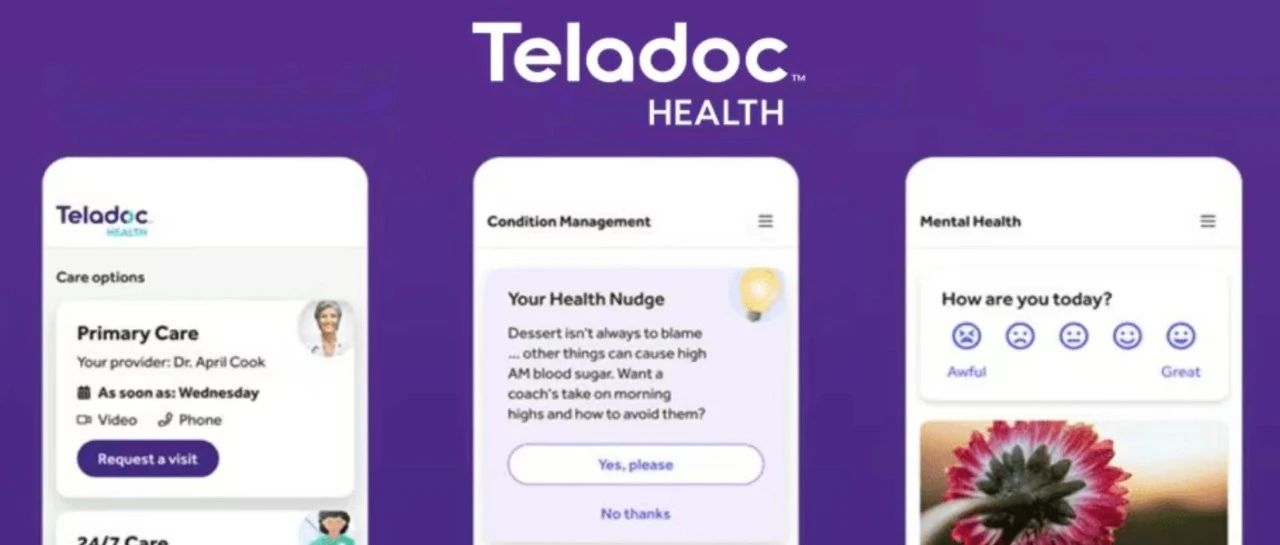
Summary of Teladoc's Conference Call Company Overview - **Company**: Teladoc Health - **Industry**: Digital Health and Virtual Care - **Segments**: Integrated Care (60% of revenue, 90% of earnings) and BetterHelp Key Points Long-term Growth and Profitability - **Growth Outlook**: Expected low single-digit growth for 2026, influenced by macroeconomic uncertainties and selling season dynamics [4][6] - **Tailwinds**: Growth in virtual visit revenues, operational excellence, new product launches, and international expansion [5][6] - **Headwinds**: Rising medical costs for employers and challenges faced by health plans [6] Revenue Drivers - **Membership Growth**: Transition from subscription-based to visit-based models; focus on service utilization rather than just membership numbers [8][10] - **Chronic Care Management**: Over 1 million enrolled, with significant potential for cross-selling [9][14] - **Integrated Care Revenue**: $1.575 billion with a 3% growth rate and 15% margins expected in 2025 [10] Business Segmentation - **US vs. International**: The US business is the largest segment, followed by a smaller international business and health system services [11][12] - **Chronic Care and Telehealth**: Chronic care and virtual care are the primary revenue drivers, with mental health services integrated into the offerings [14][27] Behavioral Health Services - **Access to Mental Health**: 60 million members have access to mental health services, with a focus on integrated care [27][29] - **BetterHelp Integration**: Plans to launch Wellbound, an employee assistance product that combines Integrated Care with BetterHelp's therapy network [34] BetterHelp Transition - **Direct-to-Consumer Model**: BetterHelp is the largest virtual therapy business, facing challenges with conversion rates due to its cash-pay model [36][37] - **Insurance Integration**: Transitioning to insurance coverage to improve conversion rates and stabilize growth [41][42] Financial Position and Strategy - **Cash and Debt**: $726 million in cash with $1 billion in convertible debt maturing in 2027; potential for tuck-in acquisitions [45][46] - **M&A Strategy**: Open to mergers and acquisitions while focusing on organic growth [46][47] Market Dynamics - **Employer Market**: Increased interest and activity in the employer market channel, while health plan channels face pressure [23][24] - **2026 Selling Season**: Uncertainty in health plans could impact membership roles and enrollment for 2026 [26] Conclusion - Teladoc is navigating a complex healthcare landscape with a focus on integrated care, virtual health services, and strategic growth through both organic development and potential acquisitions. The company aims to enhance its service offerings while addressing market challenges and optimizing its financial structure.

股价盘前劲涨 DocGo(DCGO.US)收购虚拟医疗平台SteadyMD
智通财经网· 2025-10-21 11:16
Core Viewpoint - DocGo has announced the acquisition of virtual healthcare platform SteadyMD, leading to a significant increase in its stock price, which rose by 48% at one point during pre-market trading [1] Group 1: Acquisition Details - The acquisition will be funded through existing cash on DocGo's balance sheet [1] - SteadyMD is projected to generate approximately $25 million in revenue by 2025, with a positive EBITDA expected in 2026 [1] - Following the acquisition, key executives from SteadyMD, including CEO Guy Friedman and COO Yarone Goren, will join DocGo's leadership team [1] Group 2: Financial Guidance - DocGo plans to update its revenue and adjusted EBITDA guidance for 2025 to reflect the impact of the acquisition during its upcoming earnings report and conference call, scheduled for early November [1]

又一个并购?买买买,能走向赢赢赢吗?
思宇MedTech· 2025-08-18 08:20
Core Viewpoint - Teladoc's acquisition strategy raises questions about its ability to establish a sustainable business model despite being a leader in the virtual healthcare sector, as it continues to face significant losses [2][3]. Part 01: Teladoc's Business Model - Teladoc positions itself as a "super platform" for virtual healthcare, connecting patients with doctors and offering a range of remote medical services [4]. - The majority of its revenue comes from bundled subscriptions through employers, insurance companies, and health plans rather than individual patients [6]. - Teladoc has diversified its service offerings, including mental health consultations and chronic disease management, to create a comprehensive virtual healthcare experience [8][9]. Part 02: Logic of Mergers and Acquisitions - Teladoc's growth has largely been driven by acquisitions, including small remote healthcare companies in the U.S. and Europe, and significant purchases like Livongo for $18.5 billion [11][12]. - While revenue has increased from $417 million in 2018 to $2.6 billion in 2023, profitability remains elusive due to high integration costs and operational expenses [13][14]. - The company's acquisition strategy has not resolved its fundamental issue of profitability, leading to skepticism about whether its approach is building a stable long-term model or merely propping up its market value [15]. Part 03: Industry Insights - The case of Teladoc illustrates that while mergers and acquisitions are common in digital healthcare, they do not guarantee a successful business model [18]. - The integration into payment systems and clinical workflows is more critical than technology alone, as demonstrated by Telecare's established presence in Australia's public healthcare system [19]. - The necessity of digital healthcare is clear, but its profitability remains uncertain, hinging on who ultimately bears the costs [20].