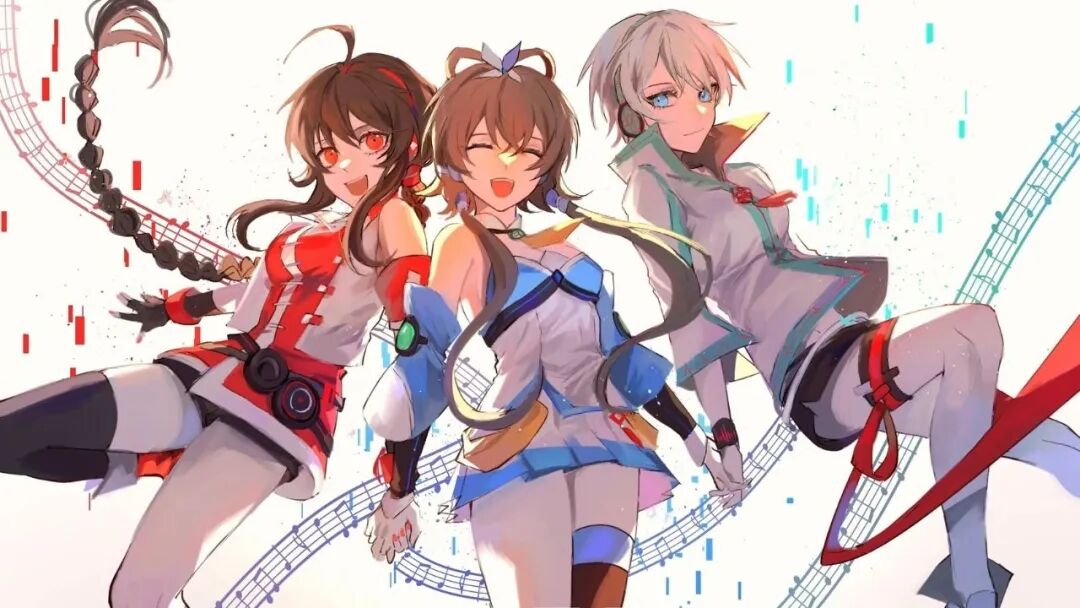
虚拟歌手

Search documents
观灯喜迎春 安逸耍四川
Xin Lang Cai Jing· 2026-01-23 21:55
Group 1 - The 32nd Zigong International Dinosaur Lantern Festival was launched on January 23, featuring the theme "Lights Paint China, Build Dreams for the Future" [1] - The festival integrates traditional crafts such as colored lanterns, tie-dye, and paper-cutting with mythological epics, historical stories, and development achievements to create a vibrant display [1] - This year, the festival introduced virtual singers and utilized AR, motion-sensing, and voice control technologies for an interactive lighting experience [1] Group 2 - The provincial Spring Festival cultural tourism promotion event was launched simultaneously at the lantern festival, with over 2,400 cultural tourism activities planned across provinces, cities, and counties [2] - A variety of cultural tourism experiences are offered, including exhibitions of ancient Shu culture, red spirit inheritance, music performances, wellness retreats, and more [2] - During the event, consumer incentives such as tourism vouchers covering attractions, hotels, dining, and movies will be provided to encourage visitors to explore Sichuan [2]
从听潮阁到PLAVE,中日韩虚拟歌手的答案大不同
3 6 Ke· 2025-09-10 12:53
Core Insights - Virtual singers are emerging as a new variable in the music industry, with recent events showcasing their growing popularity and acceptance among audiences [1] - The development of virtual singers in China can be divided into two main phases: the initial phase focused on voice bank technology and the current phase exploring idolization [3][5] - The industry faces challenges in creating deep, sustainable music IPs, with many virtual singers still lacking significant recognition and commercial viability [7][8] Phase 1: Voice Bank Singers - The first phase began in 2012 with the debut of Luo Tianyi, who became a representative of the first generation of virtual singers in China, leveraging Japanese VOCALOID technology [3] - This phase was characterized by a focus on technology-driven experimentation, with limited commercial success due to a weak integration with mainstream music [3][5] Phase 2: Idolization Exploration - The second phase, starting around 2020, saw the rise of virtual idols like A-SOUL, which combines real human performers with virtual representations, enhancing audience engagement [5][9] - A-SOUL achieved significant commercial success, with monthly revenues reaching 2 million yuan and over 100,000 merchandise sales within a year [5] - The strategy of platforms like Tsingtao Pavilion focuses on creating an open platform for virtual singers, allowing more individuals to participate in the music scene [7] Challenges and Opportunities - The industry struggles with a lack of depth in music production and insufficient IP development, leading to controversies and limited public awareness of many virtual singers [7][8] - Learning from successful models in Japan and Korea, such as the professional training systems and the emphasis on music quality, could help the Chinese virtual singer industry grow [11][13] - The potential for a "national-level virtual singer" exists, given China's advanced short video and live streaming ecosystems, which could lead to a new norm in the music industry [14]