虚拟现实音乐体验

Search documents
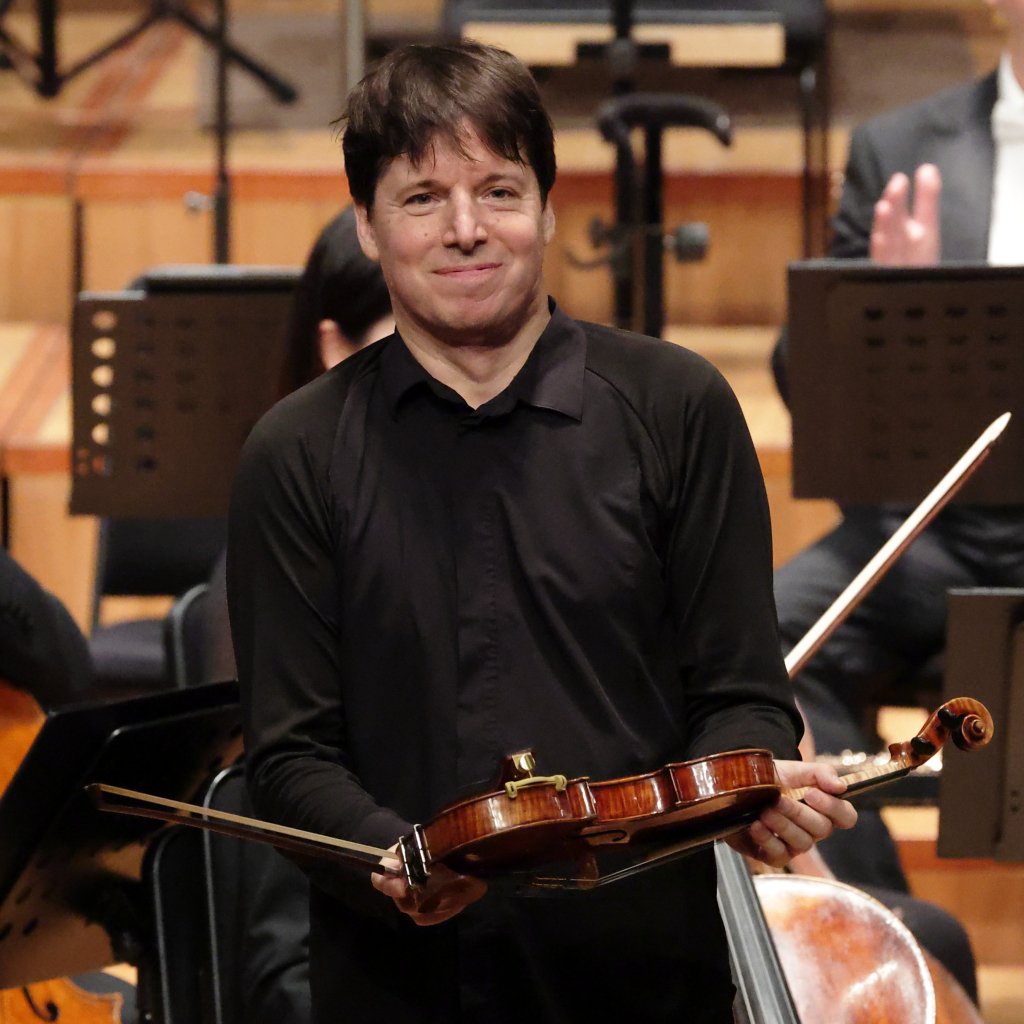
专访|贝尔:小提琴家也是乐团指挥,也一直很想当作曲家
Xin Lang Cai Jing· 2025-11-10 01:07
Core Insights - Violinist Joshua Bell has been active in the music scene for nearly 40 years, showcasing versatility across classical, modern, film, and popular music genres [1] - Bell's upcoming performances in Shanghai as part of the 24th China Shanghai International Arts Festival will feature two distinct classical music concerts with conductor Alan Gilbert and the NDR Elbphilharmonic Orchestra [1] - He emphasizes the importance of personal expression in music interpretation, arguing against standardization and advocating for individuality [1] Performance Insights - The tour's final stop in Shanghai is particularly meaningful for Bell, as it allows for a unique experience of growth and refinement in performances across different cities [3] - Bell expresses a deep appreciation for Brahms' violin concerto, noting its complexity and the nuanced approach required for its interpretation [5][6] - He has a personal connection to the works of Saint-Saëns, highlighting the challenges and beauty in performing pieces specifically composed for legendary soloists [7][8] Collaboration and Interpretation - Bell values the collaborative process in chamber music, where friendly debates with fellow musicians enhance the interpretative experience [10] - His dual role as a soloist and conductor allows him to deepen his understanding of the music, fostering a more profound connection with the orchestra [11][12] Cultural Exchange - Bell's exploration of the piece "Liang Zhu" reflects his commitment to cultural exchange, as he collaborates with Chinese instruments while maintaining his unique interpretative style [13][14] - He acknowledges the subjective nature of music interpretation, advocating for diverse renditions of the same piece [14] Observations on Competitions and Trends - Bell shares mixed feelings about music competitions, noting that they often fail to capture the essence of individual musicality [15] - He observes a trend towards standardization in contemporary performances, contrasting it with the more personalized styles of past generations [20]