视觉艺术

Search documents
当代书法四论
Xin Lang Cai Jing· 2026-02-15 01:08
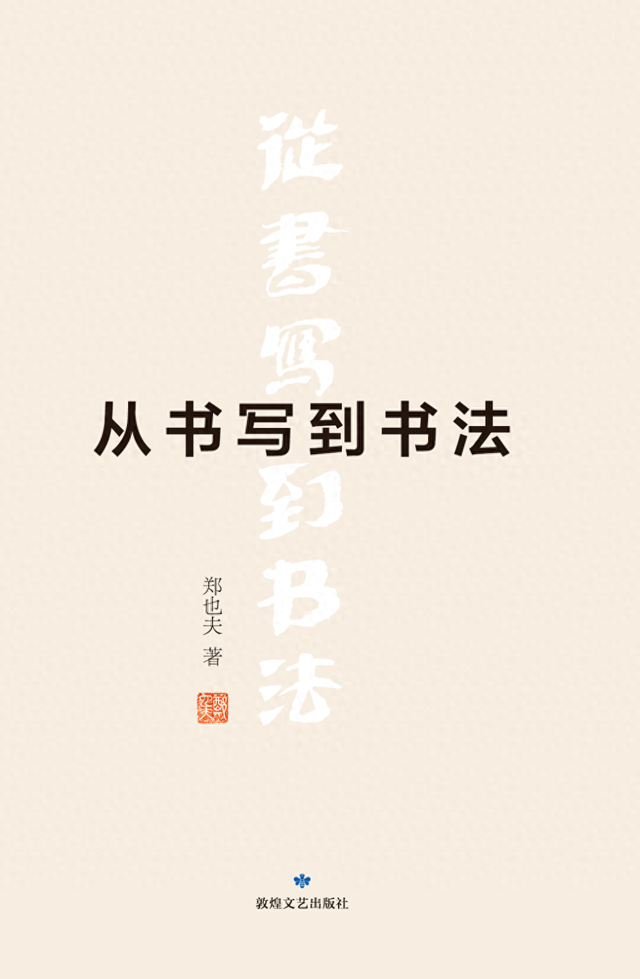
Core Viewpoint - The book "From Writing to Calligraphy" by Zheng Yefu discusses the distinction between writing and calligraphy, emphasizing that the former is practical while the latter is aesthetic and artistic [3]. Group 1: Evolution of Writing Tools - The transition from traditional brush writing to hard pens began around 1915, with hard pens becoming dominant in educational settings by the mid-20th century [4]. - The introduction of hard pens was seen as a significant improvement in writing efficiency, leading to the gradual phasing out of brush writing in schools [4][5]. - By 1955, most students were using hard pens, with brush writing becoming increasingly rare in educational contexts [4]. Group 2: Impact on Calligraphy - The decline of brush writing has led to a transformation in the calligraphy landscape, where professional calligraphers have become a rare breed, and the art form is now largely pursued for aesthetic purposes rather than practical ones [6][9]. - The number of calligraphers in China is estimated to be around 70,000, with a significant portion being hobbyists rather than professionals [11][10]. - The relationship between calligraphy and traditional writing has changed, with the former surviving despite the latter's decline, indicating a complex evolution of the art form [6][9]. Group 3: Cultural and Social Disconnect - Contemporary calligraphers face criticism for lacking cultural depth compared to their traditional counterparts, who often had a strong foundation in classical studies [12][13]. - There is a notable disconnect between modern calligraphy and societal engagement, with many calligraphers producing work that does not resonate with the general public [14][19]. - The art of calligraphy is increasingly seen as detached from practical applications, with a need for calligraphers to reconnect with societal needs and cultural relevance [14][19]. Group 4: Future of Calligraphy - The potential for calligraphy to evolve and thrive in modern society exists, particularly through the integration of traditional practices into contemporary contexts, such as personalized spring couplets and commercial signage [18][19]. - The rise of technology, including the internet and artificial intelligence, offers new avenues for calligraphers to innovate and reach wider audiences [29][30]. - There is optimism that future generations of calligraphers may surpass the achievements of historical figures, driven by greater access to resources and knowledge [31][32].

从民谣歌手到艺术家,艾敬为孩子们办了一个绘画大赛
Di Yi Cai Jing· 2025-07-30 08:02
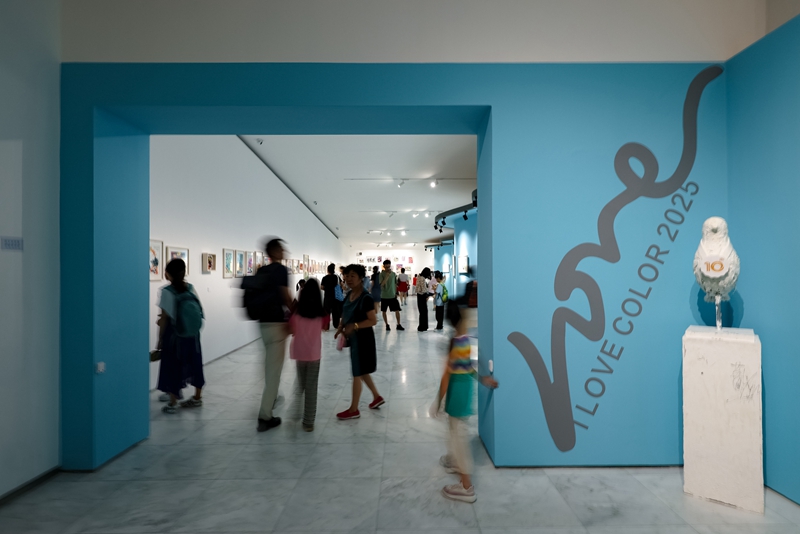
Core Viewpoint - The article highlights Ai Jing's significant contributions to children's art through the "Little Genius Painting Competition," which she co-founded ten years ago to encourage artistic expression among children [1][3]. Group 1: Ai Jing's Artistic Journey - Ai Jing transitioned from a successful music career to contemporary art, seeking a broader form of expression beyond music [5][8]. - She has held multiple exhibitions, including her first solo exhibition at the National Museum of China, showcasing her evolution as an artist [9][11]. - The symbol "LOVE" frequently appears in her works, influenced by her experiences in New York and reflecting her artistic journey [11][12]. Group 2: The "Little Genius Painting Competition" - The competition aims to discover and nurture children's creativity, with annual exhibitions showcasing selected works [1][3]. - Ai Jing believes that children inherently possess qualities like boldness and imagination, which the competition seeks to celebrate [5][12]. - The initiative has seen participants grow into successful artists, demonstrating the long-term impact of the program on their artistic development [18]. Group 3: Personal Reflections and Themes - Ai Jing's art often explores themes of love, childhood, and personal memory, connecting her past experiences with her current artistic endeavors [12][18]. - The loss of her mother profoundly affected her, leading to a deeper exploration of her roots and memories in her art [13][14]. - The competition and her artistic work serve as a means to plant seeds of creativity and love in the next generation, reflecting her own journey [18].