书法

Search documents
房山修车师傅街头挥毫送“福”
Xin Lang Cai Jing· 2026-02-15 06:20
Core Viewpoint - The article highlights the story of Li Kexuan, a bicycle repairman in Fangshan, Beijing, who practices calligraphy in his spare time, showcasing a blend of traditional art and modern life [1] Group 1: Personal Background - Li Kexuan, born in 1970 in Liaocheng, Shandong, has had a long-standing interest in calligraphy since childhood [1] - He moved to Beijing in 2008 and started a bicycle repair business in Liangxiang South Gate [1] Group 2: Calligraphy Practice - Li has set up a folding desk next to his repair stall to practice calligraphy whenever he has free time [1] - Over the years, local residents began to request calligraphy from him, which he views as a form of recognition for his skills [1] Group 3: Community Engagement - Li writes various auspicious phrases and characters for customers and neighbors, such as "马到成功" (Success comes swiftly) and "万事如意" (May all your wishes come true) [1] - His calligraphy practice has become a part of his daily routine, blending his work with his passion for art [1]
当代书法四论
Xin Lang Cai Jing· 2026-02-15 01:08
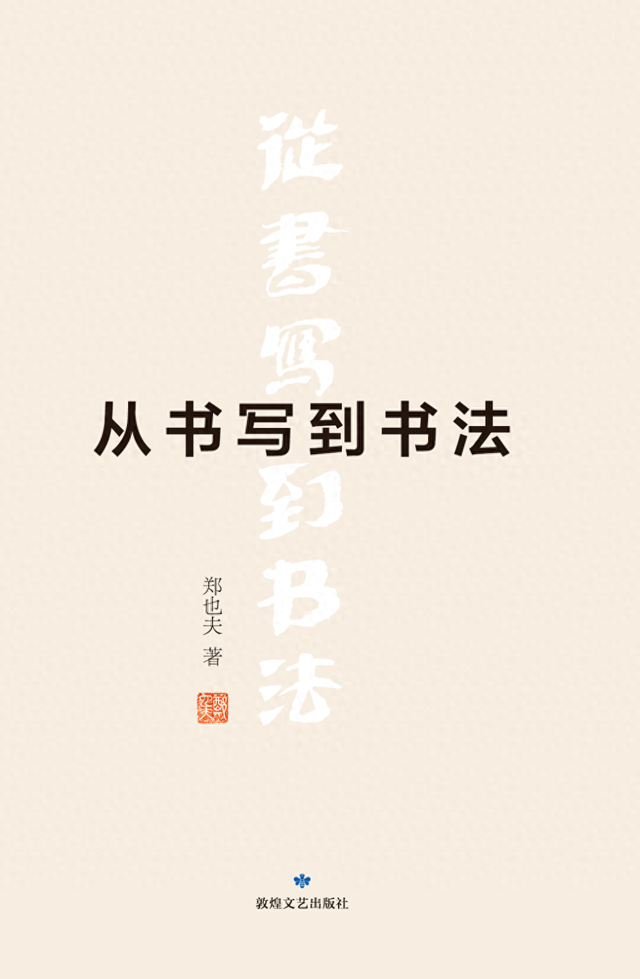
Core Viewpoint - The book "From Writing to Calligraphy" by Zheng Yefu discusses the distinction between writing and calligraphy, emphasizing that the former is practical while the latter is aesthetic and artistic [3]. Group 1: Evolution of Writing Tools - The transition from traditional brush writing to hard pens began around 1915, with hard pens becoming dominant in educational settings by the mid-20th century [4]. - The introduction of hard pens was seen as a significant improvement in writing efficiency, leading to the gradual phasing out of brush writing in schools [4][5]. - By 1955, most students were using hard pens, with brush writing becoming increasingly rare in educational contexts [4]. Group 2: Impact on Calligraphy - The decline of brush writing has led to a transformation in the calligraphy landscape, where professional calligraphers have become a rare breed, and the art form is now largely pursued for aesthetic purposes rather than practical ones [6][9]. - The number of calligraphers in China is estimated to be around 70,000, with a significant portion being hobbyists rather than professionals [11][10]. - The relationship between calligraphy and traditional writing has changed, with the former surviving despite the latter's decline, indicating a complex evolution of the art form [6][9]. Group 3: Cultural and Social Disconnect - Contemporary calligraphers face criticism for lacking cultural depth compared to their traditional counterparts, who often had a strong foundation in classical studies [12][13]. - There is a notable disconnect between modern calligraphy and societal engagement, with many calligraphers producing work that does not resonate with the general public [14][19]. - The art of calligraphy is increasingly seen as detached from practical applications, with a need for calligraphers to reconnect with societal needs and cultural relevance [14][19]. Group 4: Future of Calligraphy - The potential for calligraphy to evolve and thrive in modern society exists, particularly through the integration of traditional practices into contemporary contexts, such as personalized spring couplets and commercial signage [18][19]. - The rise of technology, including the internet and artificial intelligence, offers new avenues for calligraphers to innovate and reach wider audiences [29][30]. - There is optimism that future generations of calligraphers may surpass the achievements of historical figures, driven by greater access to resources and knowledge [31][32].

公益讲师十年义务教书法
Xin Lang Cai Jing· 2026-01-22 06:51
Core Insights - The article highlights the dedication of a 78-year-old teacher, Dun Yongcheng, who has been conducting free calligraphy classes for ten years, focusing on the ancient script of Stone Drum inscriptions [1][2] - Dun's teaching style is engaging and informal, making learning enjoyable for retirees, many of whom had no prior experience in calligraphy [1][2] Group 1: Teaching Approach - Dun Yongcheng prepares unique lesson materials for each class, particularly focusing on the Stone Drum inscriptions, which are valuable artifacts from early Chinese writing and calligraphy [2] - He meticulously researches ancient texts to reconstruct missing characters from the inscriptions, ensuring that students have comprehensive learning materials [2] - After completing the Stone Drum course, many students expressed a desire for additional sessions and requested copies of the lesson materials, which Dun willingly shared [2] Group 2: Community Impact - The classes are held in a community center near Xidan Commercial Street, fostering a sense of community among participants, primarily retirees in their sixties and seventies [1] - Dun's approach not only teaches calligraphy but also shares historical stories behind the art, enriching the learning experience and fostering a love for calligraphy among students [1][2] - The enthusiasm and commitment of Dun Yongcheng to continue teaching and introducing new content reflect a strong community engagement and cultural preservation effort [2]