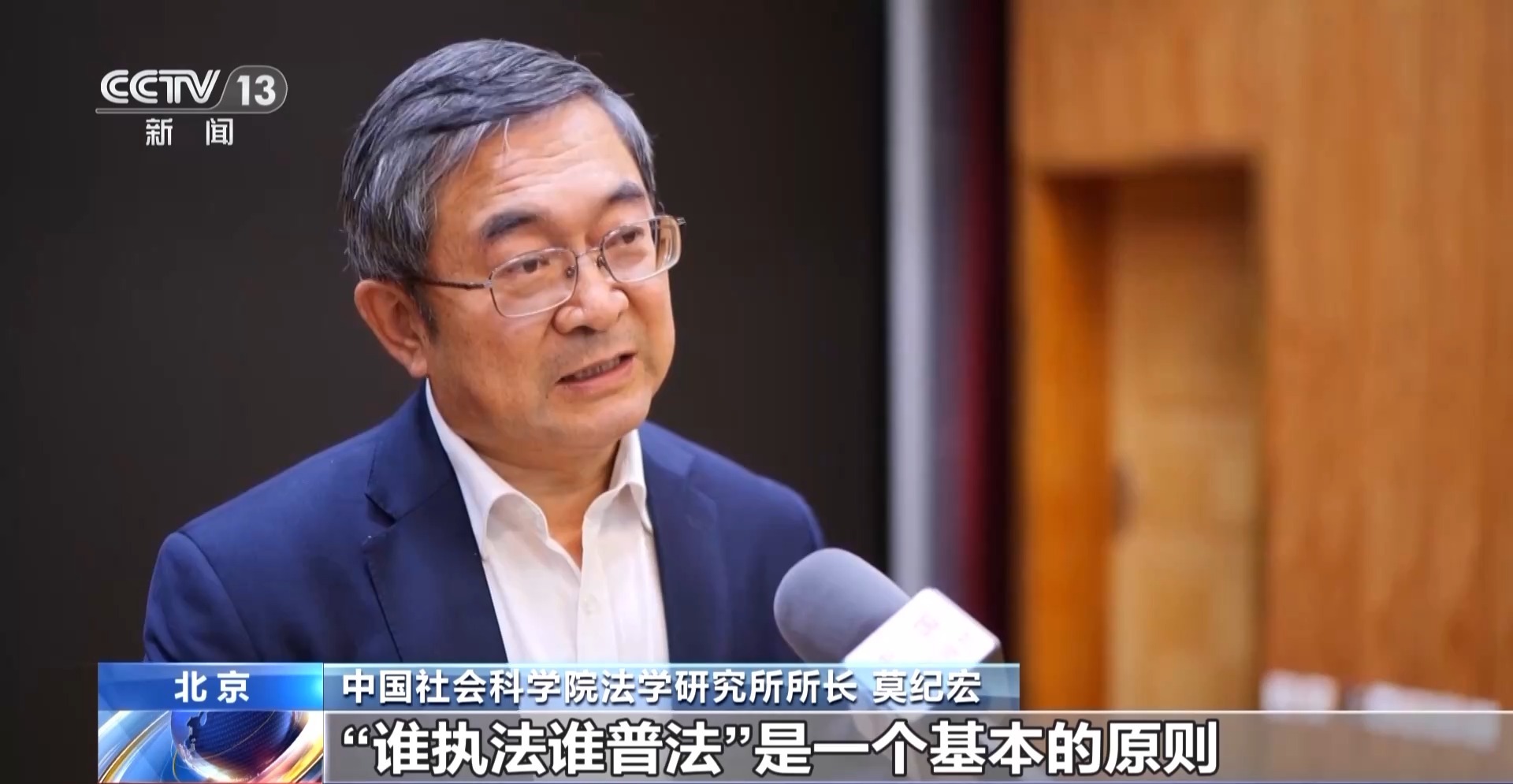
谁执法谁普法

Search documents
让普法宣传走进群众心里
Xin Lang Cai Jing· 2026-01-18 23:36
Group 1 - The core viewpoint emphasizes the importance of legal education and awareness as a foundational work for the rule of law, advocating for a responsibility system where law enforcement agencies also engage in legal education [1] - The article highlights the need for a comprehensive and effective legal education system that reaches all citizens, integrating legal education into the national education system and enhancing public legal awareness [1][2] - It suggests that legal education should be tailored to the needs of different groups, utilizing innovative methods and technologies to make legal knowledge accessible and engaging [2] Group 2 - The article calls for the integration of legal education into various social sectors, including production, education, community governance, healthcare, and rural revitalization, to ensure widespread coverage [2] - It proposes the establishment of a dynamic legal education responsibility list that aligns with the actual needs of the public, enhancing the precision and efficiency of legal education efforts [1][2] - The article stresses the importance of fostering a strong atmosphere for public participation in legal education, encouraging collaboration among various societal sectors and expanding the volunteer base for legal education initiatives [2][4]


“谁执法谁普法”履职集中评议暨市委全面依法治市委员会守法普法协调小组会议召开
Su Zhou Ri Bao· 2025-12-31 00:38
Core Viewpoint - The meeting highlighted the achievements of Suzhou in legal education and law enforcement, emphasizing the need for improved public legal awareness and effective law promotion strategies [1] Group 1: Achievements in Legal Education - During the "Eighth Five-Year" legal education period, 12 units and individuals in the city were recognized as outstanding performers in national legal education [1] - The number of democratic rule of law demonstration villages (communities) reached 20, ranking first in the province [1] - Changshu City was included in the first batch of "National Law-abiding and Law-promoting Demonstration Cities" announced by the Ministry of Justice [1] Group 2: Future Strategies - The meeting emphasized the need for local departments to plan scientifically and implement targeted strategies to enhance citizens' legal literacy [1] - There is a call for more precise, efficient, and impactful law promotion and education efforts to reach the public [1]
明确终身法治教育等 法治宣传教育法11月1日起施行
Yang Shi Xin Wen· 2025-09-14 01:28
Core Points - The "Law on Publicity and Education of Rule of Law" was passed by the 17th meeting of the 14th National People's Congress Standing Committee and will take effect on November 1, 2025, emphasizing lifelong legal education and the principle of "who enforces the law, who popularizes the law" [1][2] Group 1: Structure and Provisions of the Law - The law consists of 7 chapters and 65 articles, covering general principles, social legal publicity and education, legal education for state personnel, legal education for youth, guarantees and supervision, legal responsibilities, and supplementary provisions [2] - It establishes a lifelong legal education system for citizens, integrating legal education into national education, cadre education, and social education systems [2] Group 2: Responsibilities and Implementation - The law mandates that state personnel should lead by example in respecting, learning, abiding by, and applying the law, with legal knowledge included in recruitment exams for state personnel [7] - It emphasizes the collaborative responsibility of families, schools, and social institutions in providing legal education for youth, highlighting the roles of parents, educational departments, and judicial authorities [5] Group 3: Role of Network Service Providers - Network service providers are required to conduct legal publicity and education for their employees and users, focusing on issues such as consumer rights protection and personal information protection [8][10] - The law also mandates that state agencies strengthen legal education for enterprises involved in overseas investment and aid, ensuring compliance with both domestic and local laws [10][11]