负碳智造

Search documents
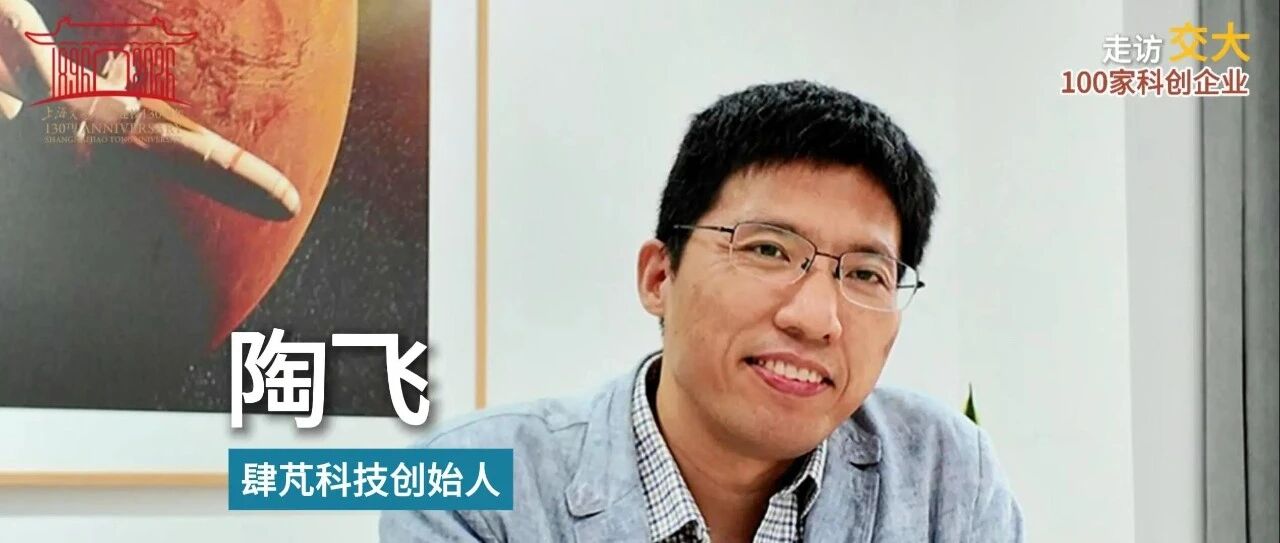
肆芃科技陶飞:客户最关心的不是‘生物基’标签,而是这两样
合成生物学与绿色生物制造· 2026-02-05 11:58
Core Viewpoint - The article emphasizes the potential of biomanufacturing as a strategic avenue for China to achieve a "leapfrog" in high-end manufacturing, similar to the advancements seen in the renewable energy sector, with a market scale projected to exceed one trillion yuan [3][4]. Group 1: Biomanufacturing Overview - Biomanufacturing is gaining attention due to its mention in the "14th Five-Year Plan," highlighting its importance for China's industrial strategy [3]. - The global market for biobased products is expected to exceed $800 billion by 2030, with at least 20% of petrochemical products being replaced by biobased alternatives [3][4]. - The integration of biomanufacturing into existing industrial systems is crucial for its success, as it should not exist in isolation but rather enhance current supply chains [4]. Group 2: Company Development - SiPeng Technology was founded in 2022 by Tao Fei and Xu Ping, with total financing exceeding 100 million yuan from various investors [6][11]. - The company has developed a unique microbial platform using cyanobacteria, which can utilize carbon dioxide to produce materials, fuels, and high-value compounds [8][10]. - SiPeng's ultimate goal is to apply carbon-negative biomanufacturing technologies to sustainable production of bulk products, thereby reducing carbon emissions and pollution [13]. Group 3: Technological Advancements - The company is focused on the third generation of biomanufacturing, which utilizes atmospheric carbon dioxide as a raw material, potentially leading to cost reductions and sustainable practices [15][17]. - SiPeng has established a proprietary cell library and employs AI to enhance the design and production processes, significantly improving research and development efficiency [19]. - The transition from laboratory-scale production to industrial-scale manufacturing is a critical challenge, which SiPeng aims to overcome through innovative engineering and design strategies [18][20]. Group 4: Product Applications - SiPeng's biobased materials are versatile, suitable for applications in food packaging, stationery, cosmetics, sports equipment, and automotive parts [22]. - The company has successfully developed high-performance biobased products, such as a biodegradable PLA-based T-shirt, which is both environmentally friendly and offers superior user experience [22]. - Collaboration with other companies, such as Tianwu Technology, aims to enhance product performance through AI-driven protein modification [23].